Substrate
health

Brain Cells That Aid Cognition Are Vulnerable to Damage in Multiple Sclerosis

Certain neurons in the human cortex show high levels of DNA damage in progressive multiple sclerosis, outpacing their repair mechanisms and leading to cell death. Researchers identified a protein called ATF4 that these cells rely on for DNA repair during development.

Science News
1 source·May 8, 1:00 PM(16 hrs ago)·2m read
Brain Cells That Aid Cognition Are Vulnerable to Damage in Multiple SclerosisScience News
Audio version
Tap play to generate a narrated version.
Developing·Limited corroboration so far. This page will refresh as more sources emerge.

Brain cells that help make us human are also uniquely vulnerable to multiple sclerosis. A newfound cellular repair kit cannot keep up with the disease’s damage, leading to the cell death that is a hallmark of progressive MS, according to two papers published April 1 in Nature.

The discovery identifies an important mechanism behind how the condition progressively shrinks the brain. Each year, 10,000 people in the United States are diagnosed with MS. The body’s immune system attacks neurons in the brain, causing inflammation and unpredictable flare-ups of muscle weakness, tingling and pain.

Research has primarily focused on the way the disease causes nerve fibers to lose myelin, the fatty insulation that helps them send messages. In a second, progressive phase, neurons in the brain begin to die. Patients then experience sharper declines in their cognitive ability, leading to difficulties in memory and reasoning as their brains shrink.

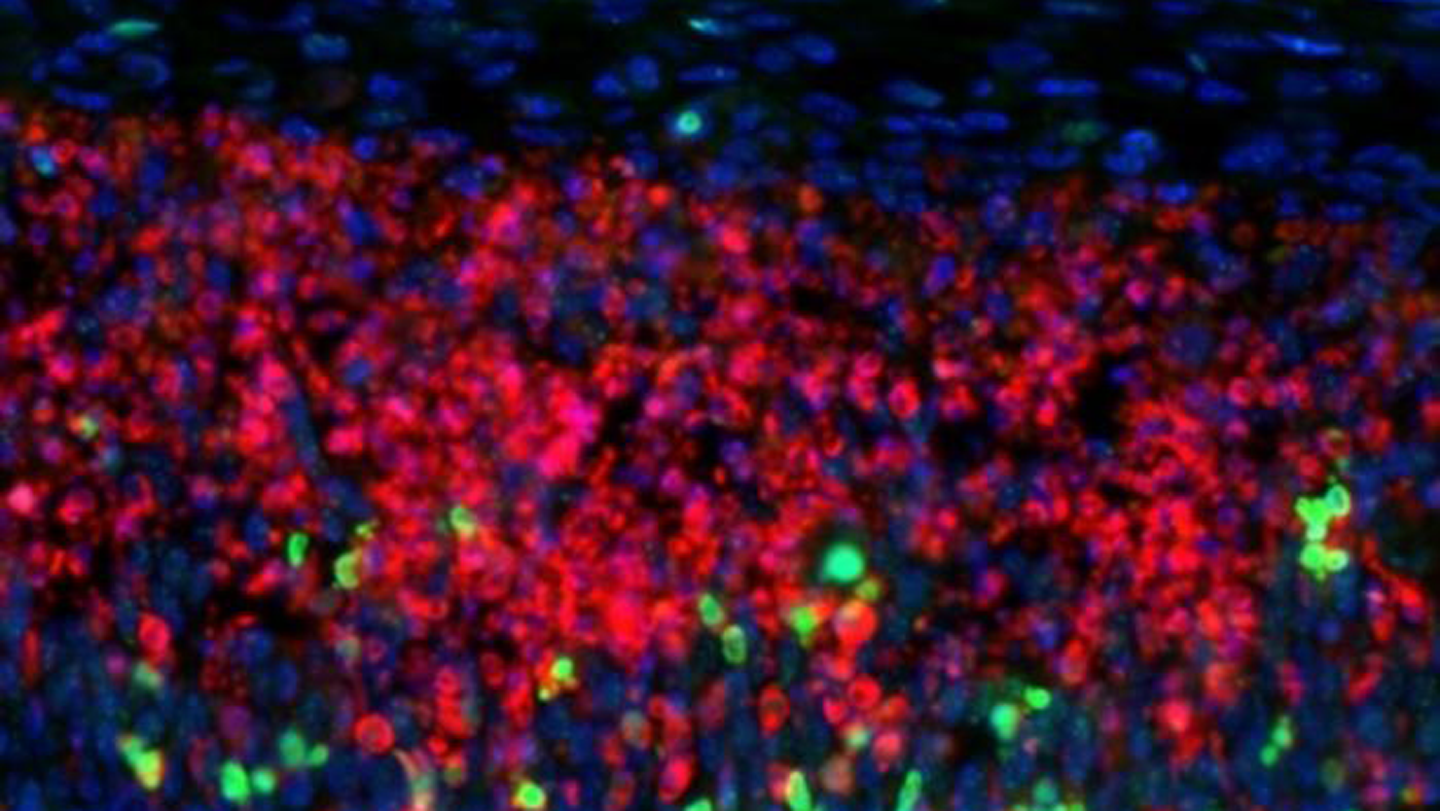
Previous research identified a specific group of neurons in the human cortex, the brain’s wrinkly outermost layer, that are particularly vulnerable to degeneration in progressive MS. Called CUX2 neurons, these brain cells help make up two layers of the cortex thought to play an important role in cognition and computation.

These layers in the brain are really very important for making us human. CUX2 cells multiply rapidly as the brain develops, but that fast pace comes at a cost. These cells also have a higher risk of accruing DNA damage.

In one paper, researchers identified a DNA repair kit crucial for the initial survival of CUX2 cells. The cells use a protein called ATF4 to jump-start the DNA repair response and prevent damage as the neurons develop. When the researchers switched off ATF4 in mice, CUX2 neurons in their brains quickly died.


The second paper found evidence that DNA damage is the primary culprit behind the degradation of CUX2 cells. In brain tissue from humans with MS, the layers CUX2 neurons reside in showed significantly higher DNA damage compared with those in healthy brains.

The team also looked at mice engineered to develop an MS-like condition and found that CUX2 cells died from DNA damage. Researchers think the DNA damage that these cells face early on in development could leave them more vulnerable later in life. The inflammation from MS then adds stress that the cells do not handle well.

Most current treatments for MS focus on tamping down inflammation caused by the body’s immune system. The discovery points to a new place to direct future treatments aimed at preventing cognitive decline. This tells us that actually, we can’t ignore these intrinsic vulnerabilities of the nerve cell, and that has to be a treatment target.

Key Facts

CUX2 neurons
vulnerable to DNA damage in progressive MS
ATF4 protein
key for DNA repair in developing CUX2 cells
10,000 diagnoses
of MS annually in the United States
Higher DNA damage
found in MS patient brain tissue vs healthy
Two Nature papers
published April 1 detailing the mechanism

Story Timeline

3 events
  1. April 1, 2026

    Two papers published in Nature on CUX2 neuron vulnerability in MS.

    1 sourceScience News
  2. Recent years

    Prior research identified CUX2 neurons as vulnerable in progressive MS.

    1 sourceScience News
  3. Ongoing

    10,000 people diagnosed with MS each year in the United States.

    1 sourceScience News

Potential Impact

  1. 01

    Mouse experiments link ATF4 loss directly to CUX2 neuron death.

  2. 02

    Treatments may target intrinsic neuronal vulnerabilities instead of only inflammation.

  3. 03

    Research focus may shift from myelin repair to DNA damage protection in neurons.

  4. 04

    New therapies could slow cognitive decline in progressive MS patients.

Transparency Panel

Sources cross-referenced1
Confidence score75%
Synthesized bySubstrate AI
Word count448 words
PublishedMay 8, 2026, 1:00 PM
Bias signals removed4 across 2 outlets
Signal Breakdown
Editorializing 2Amplifying 1Loaded 1

Related Stories

U.S. Repatriates Americans from Cruise Ship with Hantavirus Cases for Quarantine in NebraskaFox News
health44 min agoUpdated

U.S. Repatriates Americans from Cruise Ship with Hantavirus Cases for Quarantine in Nebraska

Federal officials are preparing a medical repatriation flight for at least 17 Americans aboard the M/V Hondius, which is expected to dock in Spain’s Canary Islands. The ship is at the center of an outbreak that began in early April, with six confirmed infections, two suspected ca…

Fox News
Nbc News
Cbs News
Cbs News
ABC News
5 sources
Spain Prepares to Receive Hantavirus-Affected Cruise Ship in Canary IslandsStat
health8 hrs ago

Spain Prepares to Receive Hantavirus-Affected Cruise Ship in Canary Islands

Spanish authorities are preparing to receive more than 140 passengers and crew from the MV Hondius, which is expected to arrive in Tenerife on Sunday. Health officials plan to evacuate passengers to an isolated area while the U.S. and U.K. send planes to repatriate their citizens…

Stat
thehindu.com
winnipegfreepress.com
japantoday.com
4 sources
Trump Nominates Dr. Nicole Saphier as Surgeon GeneralThe Times
health6 days agoUpdated

Trump Nominates Dr. Nicole Saphier as Surgeon General

President Trump announced Dr. Nicole Saphier, a 44-year-old radiologist and Fox News contributor, as his nominee for U.S. surgeon general on Thursday, following the withdrawal of Dr. Casey Means due to insufficient Senate support. Saphier, who authored a book titled Make America…

The Times
Stat
The Atlantic
Npr
Washington Examiner
5 sources