technology
Brazil Reports 61% Drop in Amazon Deforestation for May
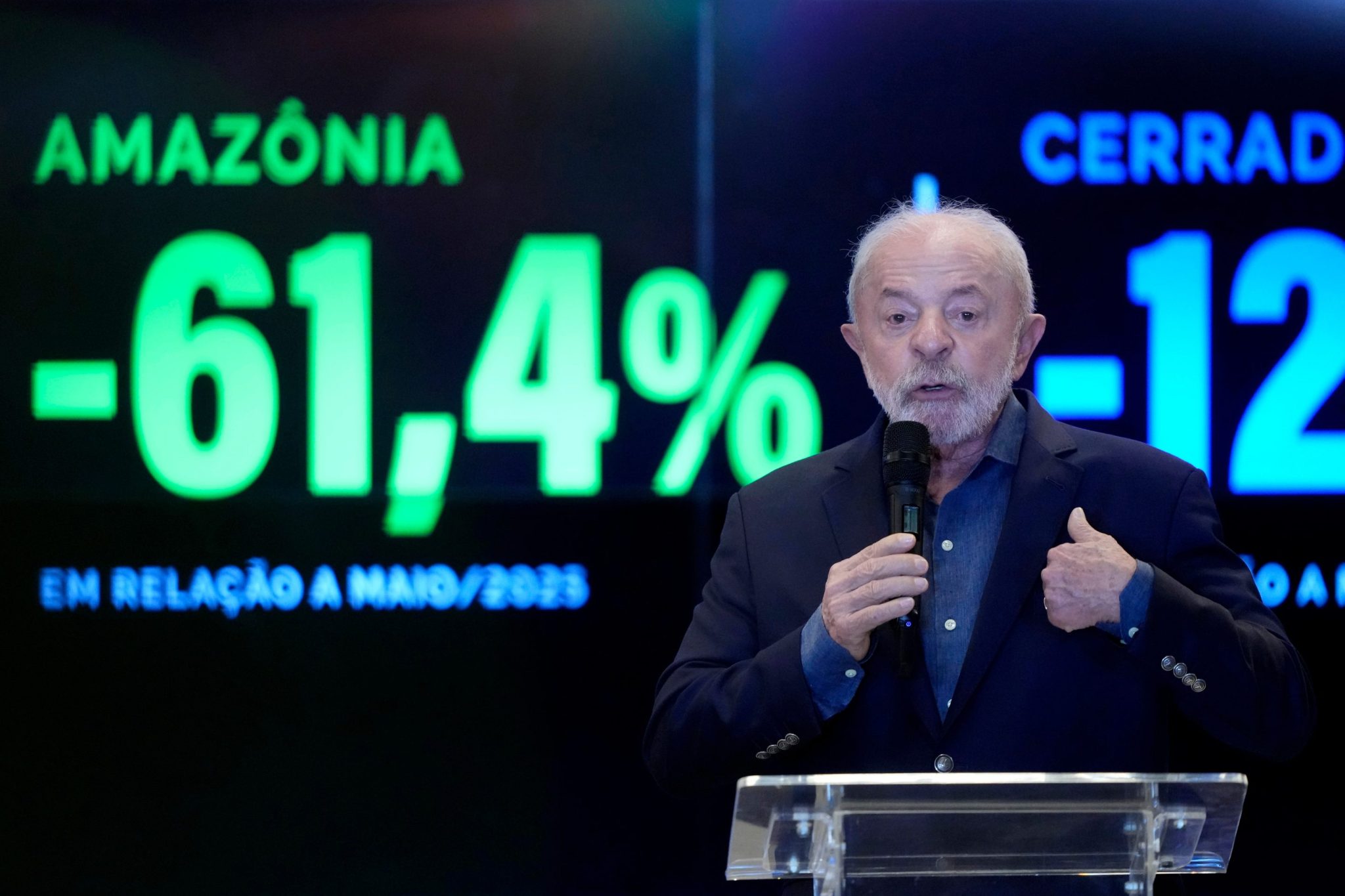
Officials said Amazon clearing fell 61.4% year-over-year in May, reaching the lowest level recorded for the month. The announcement follows a U.S. proposal last week to impose 25% tariffs on Brazilian imports, citing deforestation among other issues.
 Fortune
Audio version
Tap play to generate a narrated version.
Developing·Limited corroboration so far. This page will refresh as more sources emerge.
Brazilian officials announced Thursday that deforestation in the Amazon fell 61.4% in May compared with the same month last year. The National Institute for Space Research and the Ministry of Environment reported that 370 square kilometers were cleared, the lowest May total on record.
Environment Minister João Paulo Capobianco said the decline shows Brazil is on track for its lowest annual deforestation level once final data are compiled next semester. He noted that May typically marks the start of the dry season, when clearing rates usually rise.
2 the Office of the U.S.
Trade Representative proposed 25% tariffs on Brazilian imports, stating that trade practices were “unreasonable” and burdened U.S. commerce. The announcement followed an investigation that cited illegal deforestation and other practices. ” President Luiz Inácio Lula da Silva attended the announcement.
Lula said the administration had previously cited a U.S. trade deficit that did not exist and now raised deforestation concerns. He stated that Brazil’s goal of ending deforestation by 2030 is a national decision, not one directed by U.N. climate conferences.
Deforestation in the Cerrado savanna fell 12% over the same period. Over the ten months from August 2025 to May 2026, Amazon clearing declined 37.5% compared with the prior year. Officials said forest degradation from fires, logging, and drought now affects about 40% of the Amazon and has outpaced clear-cutting in recent years.
A strong El Niño this year could raise temperatures and reduce rainfall, increasing wildfire risk.
