Substrate
science

Brazil Begins Demarcation of Territory for Uncontacted Kawahiva Indigenous People

The Brazilian government has started the process of demarcating 410,000 hectares of land for the Kawahiva do Rio Pardo Indigenous territory in the Amazon. The move comes 27 years after specialists confirmed the existence of the nomadic hunter-gatherer community. The demarcation aims to shield the group from farming expansion, illegal mining and logging.

The Guardian
1 source·May 13, 11:00 AM(16 days ago)·2m read
|
Brazil Begins Demarcation of Territory for Uncontacted Kawahiva Indigenous PeopleThe Guardian
Audio version
Tap play to generate a narrated version.
Developing·Limited corroboration so far. This page will refresh as more sources emerge.

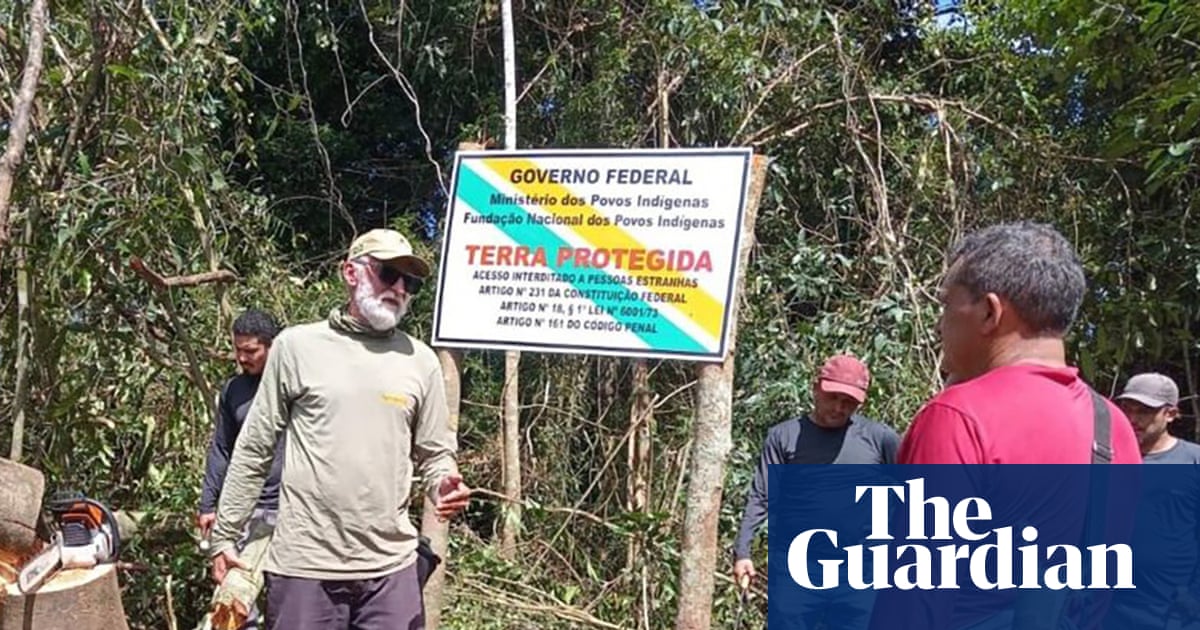
The Brazilian government has begun demarcating the Pardo River Kawahiva Indigenous territory, a 410,000-hectare area located between the states of Mato Grosso and Amazonas in north-west Brazil. The National Indigenous Peoples’ Foundation confirmed the start of the process last week.

The action follows more than 25 years after specialists first proved the existence of the uncontacted community in 1999. The demarcation is intended to protect the approximately 290 Kawahiva people from pressures including the expansion of farming, land grabs, illegal logging and mining in the region.

Some isolated Indigenous peoples in the Amazon have shown signs of surviving and in some cases thriving despite these threats. Anthropologists have stated that the Kawahiva’s survival depends on the land being clearly mapped and physically marked to create protected areas.

The process remains subject to legal challenges from groups linked to the agribusiness sector. A forthcoming presidential election scheduled for October adds further uncertainty. Political, legal, economic and logistical obstacles have delayed the establishment of the new boundaries.

“The entire region where the Pardo River Kawahiva Indigenous people live is under pressure from a clear push to expand the agricultural frontier,” said Renan Sotto Mayor, the federal public defender responsible for the National Office for Isolated Indigenous Peoples.

” Indigenous lands have recorded the lowest rates of deforestation in the Amazon in recent years. One area within the Kawahiva territory has not suffered any deforestation for two years despite high levels of rural violence in the surrounding region.

Indigenous leaders have pointed to difficulties in ensuring the safety of isolated Indigenous people, agency staff and physical markers during and after demarcation. One specialist noted that the territory has seen a massacre of landless workers as well as other deaths linked to land disputes.

Funai said it was planning buffer zones to prevent environmental degradation at the edges of the territory. “A buffer zone extending beyond the territory’s boundaries creates a protective area between the Indigenous land and deforested areas,” said Lúcia Alberta Baré, the president of Funai.

Campaigners have called for the acceleration of demarcation for other lands inhabited by uncontacted peoples, including Piripkura, Ituna-Itatá and Jacareúba-Katawixi. According to the government, there are 115 isolated groups, but only 29 have been confirmed.

Officials continue to work toward formal recognition of the Pardo River Kawahiva lands, which requires the president’s signature. “The protection of Indigenous lands must be a state policy,” said Baré.

Key Facts

410,000 hectares
size of Kawahiva territory being demarcated
27 years
time since community existence confirmed in 1999
290 Kawahiva people
approximate population of the group
115 isolated groups
reported by government, only 29 confirmed
0% deforestation
in Kawahiva area for past two years

Story Timeline

4 events
  1. 1999

    Specialists first proved the existence of the uncontacted Kawahiva community.

    1 sourceThe Guardian
  2. Last week

    The National Indigenous Peoples’ Foundation confirmed the start of demarcation.

    1 sourceThe Guardian
  3. 2026-05-13

    The Brazilian government has begun physically marking the 410,000-hectare territory.

    1 sourceThe Guardian
  4. October 2026

    Brazil is scheduled to hold its presidential election.

    1 sourceThe Guardian

Potential Impact

  1. 01

    Legal challenges from agribusiness groups are likely to continue during the demarcation process.

  2. 02

    Demarcation may reduce illegal logging and mining activities within the 410,000-hectare territory.

  3. 03

    Buffer zones could limit agricultural expansion at the edges of the Indigenous land.

  4. 04

    Outcome of October presidential election could affect long-term protection policies for isolated peoples.

Transparency Panel

Sources cross-referenced1
Confidence score65%
Synthesized bySubstrate AI
Word count432 words
PublishedMay 13, 2026, 11:00 AM
Bias signals removed5 across 2 outlets
Signal Breakdown
Loaded 2Editorializing 2Framing 1

Related Stories

WHO Director Visits Congo as Ebola Outbreak SpreadsNpr
science4 hrs ago

WHO Director Visits Congo as Ebola Outbreak Spreads

The head of the World Health Organization arrived in Kinshasa to support efforts against a rare Ebola strain. Health workers face equipment shortages, community distrust, and armed conflict in affected provinces.

Npr
France 24
2 sources
FDA Panel Recommends XFG Variant for Fall Covid Shotsmedpagetoday.com
science2 hrs agoDeveloping

FDA Panel Recommends XFG Variant for Fall Covid Shots

Replimune will submit an application to the FDA for the third time. Pfizer and Innovent Biologics reached a collaboration agreement valued at up to $10.5 billion.

Stat
1 source
Benzinga Publishes Article on Biotech Stocks During Pandemic Recoveryfinance.yahoo.com
science6 hrs agoDeveloping

Benzinga Publishes Article on Biotech Stocks During Pandemic Recovery

Benzinga published an article titled 'Best Biotech Stocks Right Now' that addresses the sector's position during global recovery from the pandemic. The piece notes government institutions and professional traders are focusing on biotech companies for vaccine and booster developme…

Benzinga
1 source