science
Brazil Orders Removal of Over 100,000 Cattle From Bananal Island Indigenous Territory, Ending Lease Payments to Local Villages
Federal authorities enforced a 2025 removal order on the world’s largest river island, ending decades of informal leasing that generated roughly 1.5 million reais monthly for some village leaders.
 The Independent
Audio version
Tap play to generate a narrated version.
Developing·Limited corroboration so far. This page will refresh as more sources emerge.
Federal authorities ordered the removal of cattle herds from protected Indigenous territory on Bananal Island in 2025. Wranglers drove more than 100,000 cattle off the island when river levels were low enough to comply with the order. Brazil is the world’s largest beef producer, accounting for about 20% of global output, and its beef production accounts for 6% of the country’s gross domestic product.
Tocantins state, home to Bananal Island, recorded one of Brazil’s highest deforestation levels in 2025, according to MapBiomas. Brazilian law prohibits commercial activity on Indigenous lands and permits cattle raising only for subsistence. Ranchers paid village leaders a monthly fee of about 15 reais ($3) per head to lease land on Bananal Island, compared with the market rate of roughly 60 reais ($12) per head per month outside the island.
5 million reais ($290,000). ” Leandro Milhomem, chief of IBAMA in Tocantins, stated: “The law requires consultation and shared benefits. ” In March, environmental authorities seized 550 head of cattle on Bananal Island and issued 21 citations.
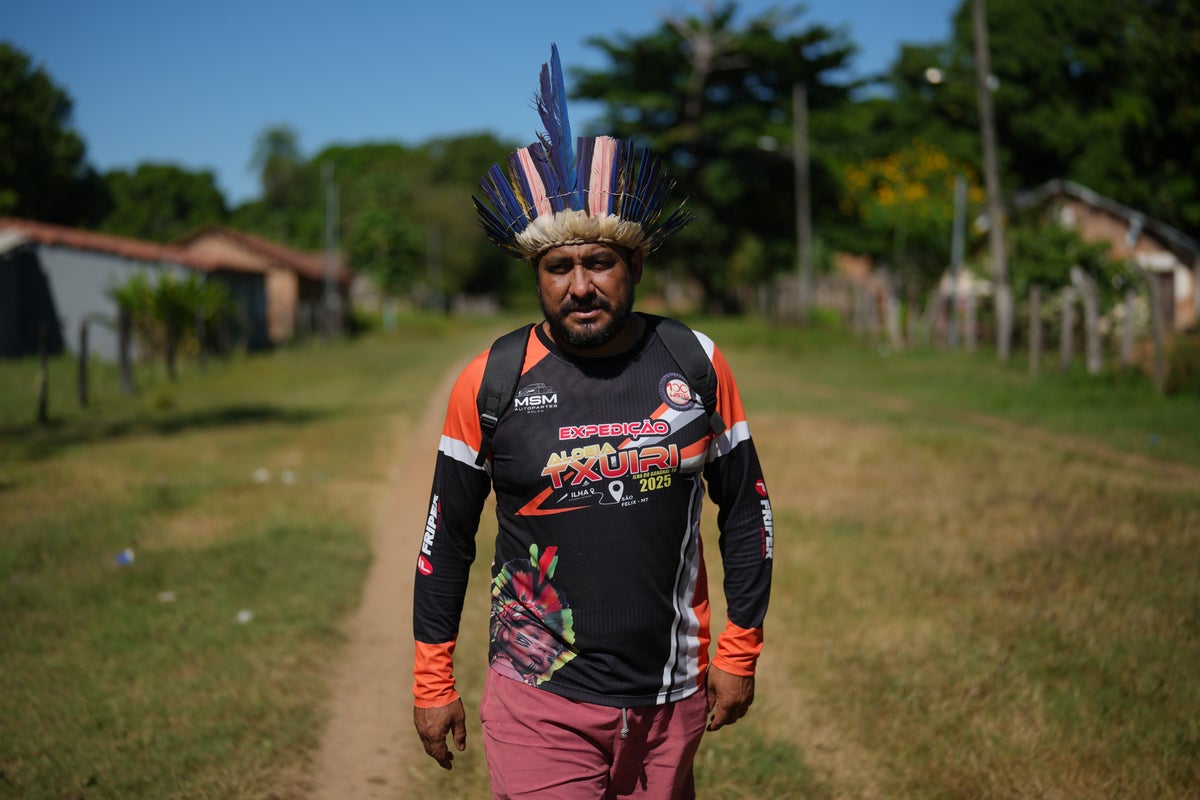
One of the March citations was issued to a wrangler who stated an Indigenous chief instructed him to falsely claim the herd was Indigenous-owned. Bananal Island lies between the Javaé and Araguaia rivers at the junction of Tocantins, Mato Grosso, and Pará states. European colonizers reached the Bananal Island area in the late 18th century and found it inhabited by Indigenous peoples.
The island was designated a protected area in the 1950s, when authorities began promoting non-Indigenous cattle ranching through leasing agreements with local communities. Three Indigenous groups—the Javaé, Karajá, and Ava-Canoeiro—live on Bananal Island.