world
BRICS Foreign Ministers Meeting Ends Without Consensus on Iran Conflict
The two-day BRICS foreign ministers meeting in New Delhi concluded on May 15, 2026, without a common position on the ongoing conflict involving Iran, the United States and Israel. The outcome document noted only that differing views remained among members. The gathering was the second consecutive BRICS meeting hosted by India to end without agreement on the issue.
May 15, 1:40 PM·3m read1 source
AJ
 thehindubusinessline.com
Audio version
Tap play to generate a narrated version.
Foreign ministers and senior officials from BRICS nations and partner countries met for two days this week in New Delhi. The meeting ended on Friday without a common position on the conflict involving Iran, the United States and Israel. The bloc’s outcome document stated only that differing views remained among members.
The meeting opened on Thursday at Bharat Mandapam under the chairship of Indian External Affairs Minister Subrahmanyam Jaishankar. It was the first major ministerial engagement under India’s 2026 BRICS presidency. The 10-member grouping coordinates on economic and security issues and seeks a greater voice for the Global South.
A leaders’ summit is scheduled for September in India. The gathering took place as the conflict involving Iran entered its 77th day. The conflict began on February 28 with U.S. and Israeli strikes on Iranian military sites, nuclear facilities and infrastructure.
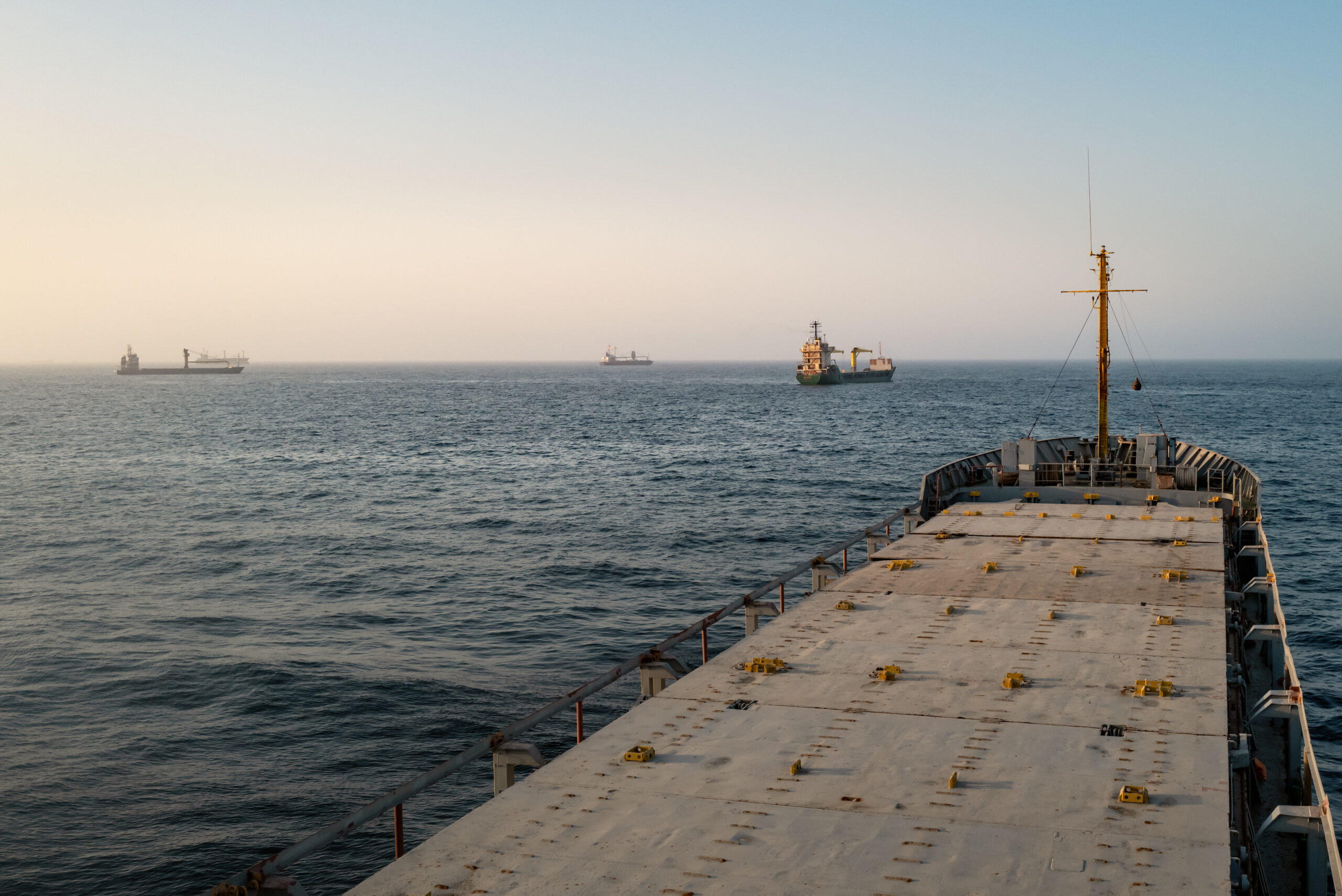
Since then, Iran has closed the Strait of Hormuz to commercial shipping, global energy prices have risen and diplomatic efforts have stalled. The United States imposed a naval blockade on Iranian ports on April 13. The BRICS meeting coincided with U.S. President Donald Trump’s state visit to China.
Foreign Minister Abbas Araghchi attended the meeting and urged members to condemn what he described as U.S. and Israeli violations of international law. He called for concrete action to halt the conflict and end impunity for violations of the UN Charter.
Araghchi stated that BRICS should become a pillar for a more just global order. The representative from the United Arab Emirates, Khalifa bin Shaheen Al Marar, called for condemnation of Iranian actions. The exchange highlighted divisions within the expanded BRICS group, which includes both Iran and the UAE as full members.
The two countries stand on opposite sides of the current conflict. Araghchi later told the gathering that the UAE was directly involved in the aggression against Iran. He said the UAE allowed the U.S. to use its territory for attacks and that Emirati aircraft participated in strikes.