Substrate
science

British Chef Plans Monthlong Greenland Ski Trek on Fermented Seal Meat

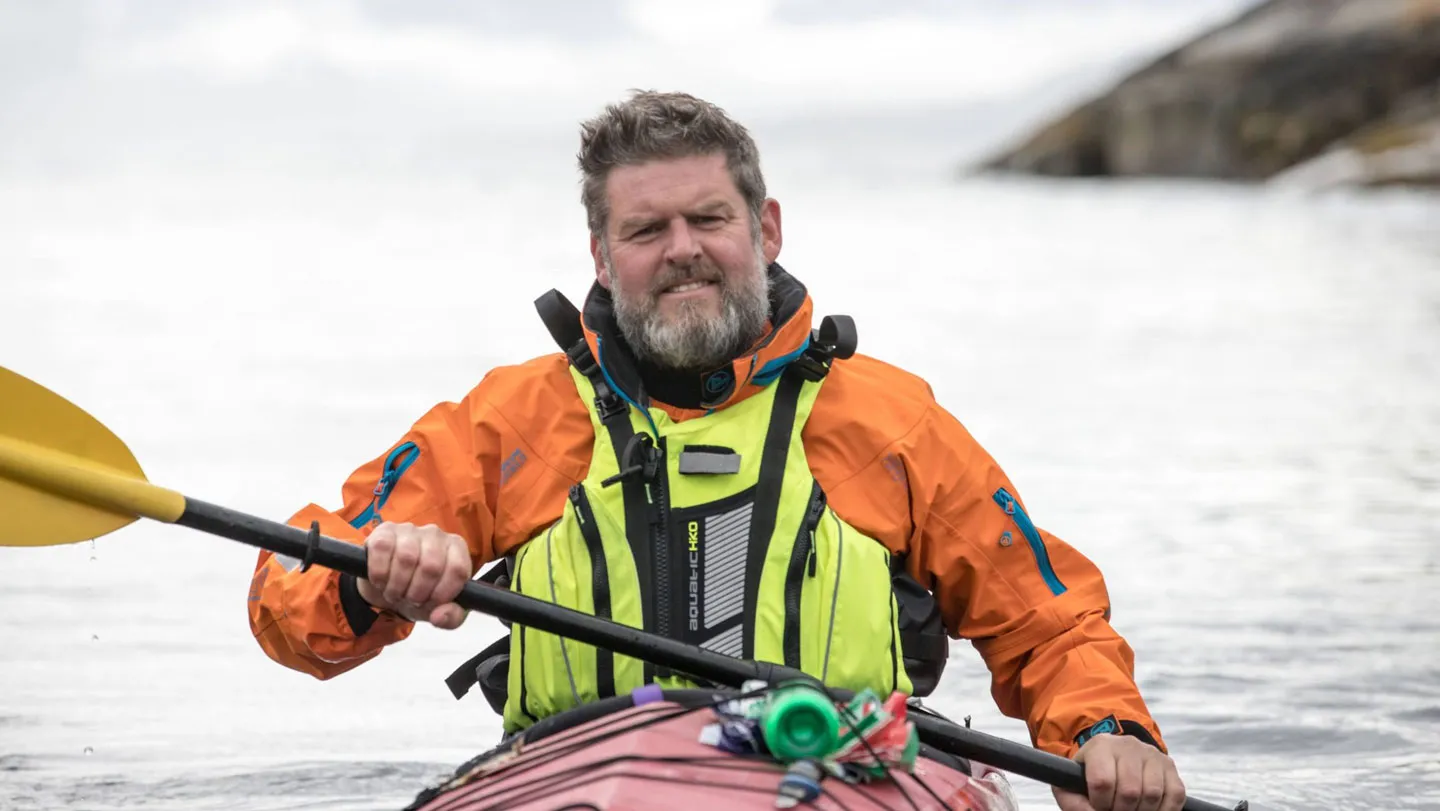
British chef Mike Keen will ski roughly 320 kilometers across northern Greenland this spring while eating only fermented seal meat. He will collect fecal samples from himself and his sled dog for a University of Greenland researcher studying shifts in gut microbiome. The expedition examines how traditional Inuit fermentation practices may support health on an animal-based diet.

Science News
uctoday.com
2 sources·May 15, 1:00 PM(14 days ago)·2m read
British Chef Plans Monthlong Greenland Ski Trek on Fermented Seal Meatuctoday.com
Audio version
Tap play to generate a narrated version.
Developing·Limited corroboration so far. This page will refresh as more sources emerge.

British explorer and chef Mike Keen will spend roughly a month skiing across northern Greenland this spring with a sled dog. The pair will eat only slowly decomposing seal meat for the duration of the roughly 320-kilometer trek. The journey serves as a proxy for how past Inuit and other Arctic peoples may have survived similar crossings of barren landscapes.

Keen will collect fecal samples from himself and the dog throughout the trip. Researchers will analyze how his gut microbiome changes after shifting from a Western diet to a traditional Inuit diet that is 98 percent meat. The traditional Inuit diet consists almost entirely of animal products because fresh fruits and vegetables cannot grow in the Arctic.

Before food imports from Denmark became common a few decades ago, Inuit people consumed mostly meat and almost no plants yet did not experience the cancers, digestive disorders and heart disease now associated with high-meat diets. An Inuit microbiologist at the University of Greenland in Nuuk hypothesizes that fermenting meat for months increases microbial diversity and supports gut health.

"There is a way to live healthily off an animal-sourced diet," the researcher said. Fermented meats known collectively as igunaq include walrus, caribou, reindeer and seal. One delicacy called kiviak is prepared by stuffing small birds inside seal hides and burying them under rocks for months.

Fermented foods are broken down gradually by microbes in a controlled process, while rotting occurs when microbial growth becomes dangerous. People worldwide have eaten fermented meats often near the edge of safety. An archaeologist at the University of Michigan reported in 2022 that such foods likely served an evolutionary purpose similar to cooking by freeing nutrients with less labor.

The researcher has found few historical references to botulism or other foodborne illnesses linked to these practices. Indigenous techniques refined over centuries appear to have protected communities. Cases of botulism appeared in Alaskan records after people shifted from fermenting meats below ground to using above-ground containers.

Keen will debone seals provided by local hunters, wrap the meat in the animals' skins and place the bundles on an insulated blanket to maintain a temperature just above freezing. He will collect stool samples after every bowel movement and slice slivers of the seal meat.

All samples will be sent to the University of Greenland researcher for comparison of microbial DNA changes in the decomposing meat and in the human and dog guts. During a previous 12-week kayaking trip across Greenland, Keen ate no fruit or vegetables.

He experienced diarrhea followed by about six days without a bowel movement before his system settled. Analysis of that expedition, documented in the film Qajaq Man released earlier this year, showed significant changes in gut microbes that typically consume plants and fibers.

The current trek focuses more closely on fermentation. The researcher noted that studying an outsider like Keen can illustrate how microbes help humans adapt quickly to new environments, in contrast to genetic changes that require generations. The expedition has drawn local interest in Greenland, where reliance on imported foods has increased alongside health problems once rare in those populations.

The researcher said health officials often criticize the Inuit diet because it conflicts with conventional emphasis on plant-based eating.

Key Facts

320 kilometers
distance of Mike Keen's planned ski trek
98 percent meat
composition of traditional Inuit diet
Igunaq
collective Inuit term for fermented meats
Fecal samples
collected from Keen and dog for microbiome study
Kiviak
Inuit delicacy of birds fermented in seal hide

Story Timeline

5 events
  1. 2026-05-16

    Article reports Mike Keen's planned Greenland ski expedition this spring.

    1 sourceScience News
  2. 2025

    Keen releases documentary Qajaq Man about prior Greenland kayaking trip.

    1 sourceScience News
  3. 2023

    Researchers publish paper on fermentation freeing nutrients with low labor.

    1 sourceScience News
  4. 2022

    Archaeologist John Speth publishes review of fermented meats in PaleoAnthropology.

    1 sourceScience News
  5. 2015

    Study reports genetic adaptations in Greenland Inuit for fat-heavy diet.

    1 sourceScience News

Potential Impact

  1. 01

    The study may provide data on short-term microbiome adaptation to fermented animal diets.

  2. 02

    Documentation of safe fermentation methods could support preservation of Inuit food practices.

  3. 03

    Findings could prompt further research comparing outsider versus Indigenous microbiome responses.

  4. 04

    Public interest in the trek may increase awareness of traditional Arctic diets in Greenland.

Transparency Panel

Sources cross-referenced2
Confidence score75%
Synthesized bySubstrate AI
Word count546 words
PublishedMay 15, 2026, 1:00 PM
Bias signals removed3 across 2 outlets
Signal Breakdown
Framing 2Loaded 1

Related Stories

WHO Director Visits Congo as Ebola Outbreak SpreadsNpr
science4 hrs ago

WHO Director Visits Congo as Ebola Outbreak Spreads

The head of the World Health Organization arrived in Kinshasa to support efforts against a rare Ebola strain. Health workers face equipment shortages, community distrust, and armed conflict in affected provinces.

Npr
France 24
2 sources
FDA Panel Recommends XFG Variant for Fall Covid Shotsmedpagetoday.com
science2 hrs agoDeveloping

FDA Panel Recommends XFG Variant for Fall Covid Shots

Replimune will submit an application to the FDA for the third time. Pfizer and Innovent Biologics reached a collaboration agreement valued at up to $10.5 billion.

Stat
1 source
Benzinga Publishes Article on Biotech Stocks During Pandemic Recoveryfinance.yahoo.com
science6 hrs agoDeveloping

Benzinga Publishes Article on Biotech Stocks During Pandemic Recovery

Benzinga published an article titled 'Best Biotech Stocks Right Now' that addresses the sector's position during global recovery from the pandemic. The piece notes government institutions and professional traders are focusing on biotech companies for vaccine and booster developme…

Benzinga
1 source