Unbiased AI-powered news
Blackstone CEO Stephen A. Schwarzman described nearly crying after losing the firm's original investment in a mid-1980s steel company deal. Other executives including former Intuit CEO Brad Smith and Amazon founder Jeff Bezos detailed costly errors that prompted changes in approach. The accounts highlight how embracing mistakes has become a common theme among prominent business figures.
BBC NewsBlackstone cofounder and CEO Stephen A. Schwarzman once lost the firm's entire equity stake in its third investment, a deal involving Edgcomb Steel in the mid-1980s. Schwarzman recalled in the company's Life Lessons series that he had never made investments before and was unaware of practices such as using investment committees.
The error prompted an investor to scream at him in a meeting, leaving Schwarzman shocked and nearly in tears. I was shocked," Schwarzman continued. ’ It was his money that was lost, and I was responsible. His teeing off on me was horrible, and I almost cried at the meeting.
’" — Stephen A. Schwarzman, last year (Fortune) After the meeting, Schwarzman took a walk outside, observed falling leaves and sunlight on the water, and resolved that the failure could never happen again. He repositioned the firm to vigorously debate complex deals and changed its processes.
Clients of the now $148 billion business expect positive outcomes, he noted, and the early setback became a career-altering lesson. Schwarzman built Blackstone from a $400,000 investment after leaving a position at Lehman Brothers. The experience transformed him into a self-made billionaire now worth $47.4 billion.
"Setbacks are terrible, but they also are great teachers," he said.
Amazon founder Jeff Bezos acknowledged billions of dollars in failures at the company, including an auction site that went through multiple unsuccessful iterations. In 2014, he stated that firms unwilling to embrace failure eventually reach a point where they can only make desperate final bets.
Bezos noted the company was still early in its efforts to improve its first mobile product rollout, which never led to a successful smartphone market entry. com," Bezos said in 2014 at the Business Insider Ignition conference. The effort produced only 18 sales totaling $27,000.
Smith anticipated being fired after the meeting but chose to own the mistake. A director later told him the board preferred "the errors of enthusiasm to the indifference of wisdom," advice Smith carried throughout his decade leading the $108.5 billion fintech company.
Altman addressed shortcomings in the rollout of an upgraded AI model. After the success of GPT-4, which helped the chatbot reach more than 900 million weekly active users by February, the company launched a new version that performed poorly enough to require restoring access to the prior model.
Altman admitted the upgrade process for hundreds of millions of users in a single day had been mishandled. The accounts appear amid ongoing legal proceedings involving OpenAI. OpenAI president Greg Brockman testified during the second week of a month-long trial in Oakland, California, describing an encounter in which he thought another individual was going to hit him.
The case, which heads into its final week with Altman scheduled to testify, has exposed internal rivalries tied to the company's rise to an $852 billion valuation. A separate attorney representing OpenAI in the trial, William Savitt of Wachtell, Lipton, Rosen & Katz, discussed lessons from his past roles as a cab driver, rock musician, and clerk for Supreme Court Justice Ruth Bader Ginsburg.
Savitt emphasized beginning legal reasoning from first principles, maintaining curiosity and skepticism, and embracing surprises in high-stakes situations.
Utah, residents have protested a proposed data center project in Box Elder County known as the Stratos Project. The development, backed by investor Kevin O'Leary and spanning a 40,000-acre campus, has raised concerns about impacts on utility costs, noise, water supply, and quality of life.
Data centers have grown contentious nationwide as technology companies seek infrastructure to support advancing AI systems. Utah Gov. Spencer J. Cox responded by requiring new approvals for each phase of the project, limiting the first phase to 1.5 gigawatts.
He directed state agencies to review air quality permits and ensure the use of environmentally sensitive cooling systems to protect water resources. Cox stated that all residents should expect clear standards and accountability following conversations with locals and leaders.
O'Leary suggested some opposition may stem from professional protesters and AI-generated content, while later noting that understanding sustainability and community concerns holds greater long-term value than initial equity raised. The episode illustrates tensions between AI-driven infrastructure demands and community priorities.
These varied business stories underscore a shared recognition that errors, even expensive ones, can serve as catalysts for improved decision-making and resilience.
These outlets didn't split into competing frames — coverage was uniform.
americanbanker.comA draft Treasury Department report obtained by NOTUS warns that an artificial intelligence downturn could threaten millions of Americans' retirement savings through exposure in stock markets and index funds. The analysis contrasts with public support for AI investment from Treasu…
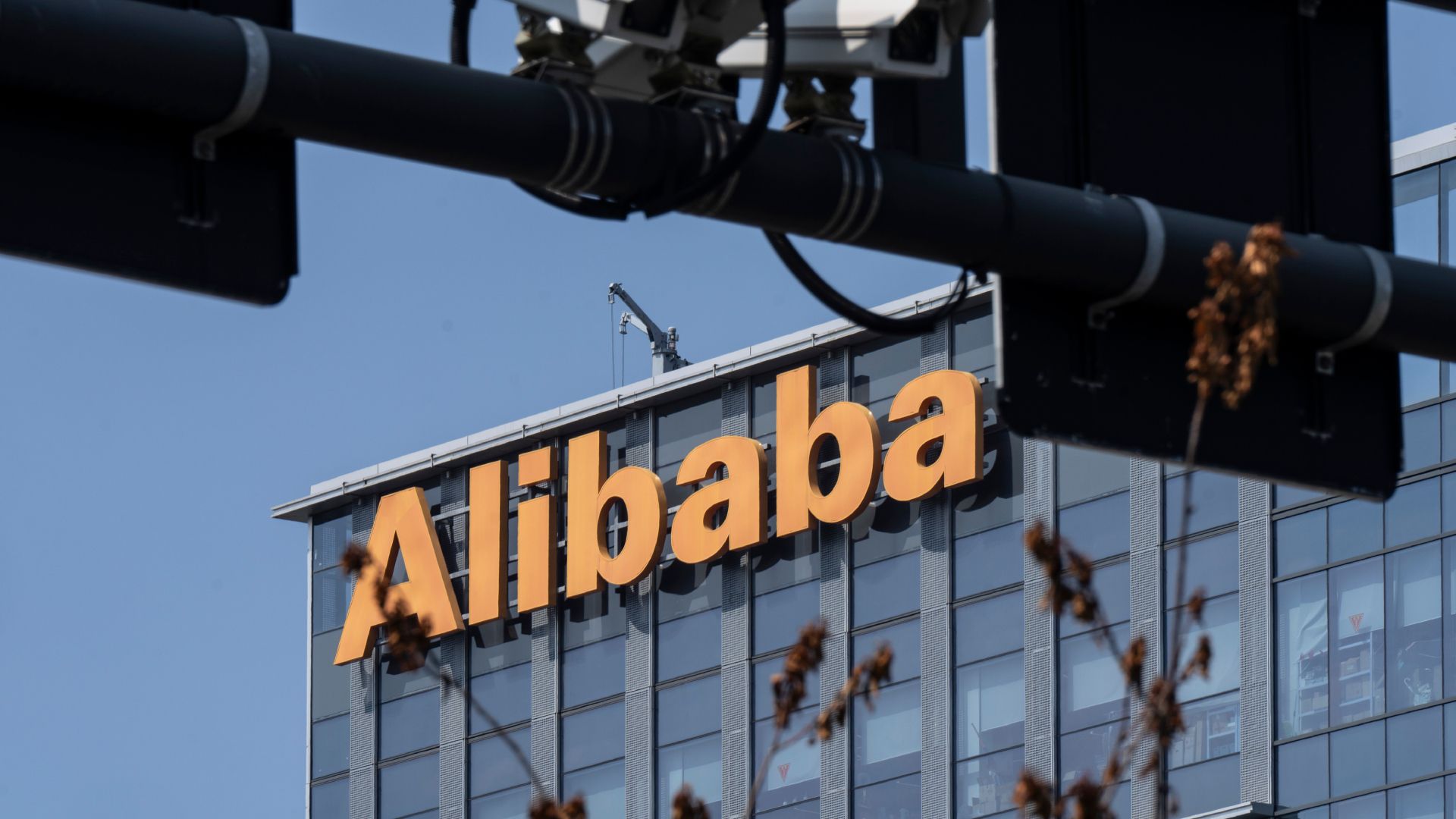
airedale.futurecdn.netAlibaba directed employees to stop using Anthropic's Claude Code after the tool flagged connections from China. The company instructed staff to switch to its internal Qoder platform instead.
thewire.inA coalition including Amnesty International and Save the Children called for governments to require safety checks on AI systems before release. The statement was issued one day before the United Nations holds its first global summit on AI governance.