Iran-Linked Tankers Stop or Turn Back Near Strait of Hormuz Amid Blockade
Several tankers linked to Iran carrying oil and refined products have stopped or made U-turns while attempting to cross the Strait of Hormuz. The vessels are positioned on the approaches to the strait rather than in its middle. This development indicates the blockade's current effectiveness in restricting passage.
 khaama.com
Approximately 20% of the world's oil supply passes through this narrow waterway daily. Disruptions in this area can affect energy markets worldwide, given its role in transporting crude oil and refined petroleum products.
Recent reports indicate that multiple tankers associated with Iran, loaded with oil and refined products, have encountered obstacles while trying to navigate the strait. These vessels have either halted their progress or executed U-turns to retreat. The actions occur on the approaches to the strait, not within its central channel, which spans about 21 miles at its narrowest point.
Blockade's Observed Effects The blockade in place appears to have successfully deterred these tankers from completing their crossing.
Observers note that the vessels' decisions to stop or reverse course suggest compliance with or response to the restrictions. This situation highlights the strait's vulnerability to such measures, which can impact shipping routes and insurance costs for operators in the region.
The tankers in question are linked to Iranian interests, though specific ownership details remain undisclosed in available reports.
Their cargo includes both crude oil and refined products, essential for international energy distribution.
Broader Context and Implications The Strait of Hormuz has historically been a flashpoint for tensions involving regional powers, with past incidents including seizures and naval confrontations.
A blockade, whether enforced by military assets or other means, raises concerns about escalation in the area. Affected parties include shipping companies, oil traders, and nations reliant on uninterrupted flows through the strait. Next steps may involve diplomatic efforts to resolve the standoff or adjustments to alternative routing for vessels.
Monitoring by international maritime authorities continues to track vessel positions via satellite and AIS data. The duration of the blockade remains uncertain, but prolonged restrictions could lead to higher global energy prices if supply disruptions widen.
Story Timeline
1 event- Recent days
Iran-linked tankers stopped or turned back on approaches to Strait of Hormuz.
1 source@JavierBlas
Potential Impact
- 01
Increased monitoring of vessel movements by maritime authorities.
- 02
Delays in oil and refined product deliveries to international markets.
- 03
Potential rise in shipping insurance premiums for Gulf routes.
Transparency Panel
Related Stories
 cnbc.com
Treasury Secretary Bessent Urges Fed to Delay Rate Cuts as Oil Prices Rise Above $100 Amid Iran Conflict
U.S. Treasury Secretary Scott Bessent stated at the Semafor World Economy conference that the Federal Reserve should wait to lower interest rates due to elevated oil prices from the war in Iran. He noted the economy's strength earlier this year but emphasized monitoring inflation…
 redstate.com
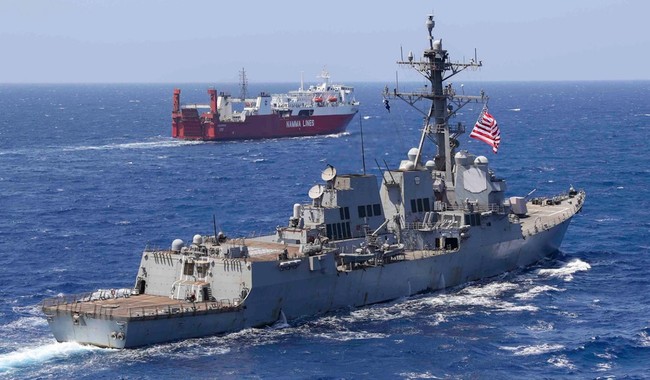
U.S. Imposes Naval Blockade on Iranian Ports as Ceasefire Holds After Failed Talks
U.S. forces started a blockade of Iranian ports on Monday as a fragile ceasefire holds following failed peace talks over the weekend. The joint U.S.-Israeli operation against Iran began on February 28, with the first six days costing $11.3 billion according to the Pentagon. Profe…
 cnbc.com
Amazon Agrees to Acquire Globalstar for $11.57 Billion in Cash or Stock Deal
Amazon announced an agreement to buy Globalstar for $90 per share in a transaction valued at $11.57 billion. Globalstar stockholders will receive cash or Amazon shares, with the deal expected to close in 2027. The acquisition includes Globalstar's satellites, infrastructure, and…