Rising Energy Prices Prompt Singapore to Reduce Air Conditioning Usage Amid Asia Oil Crunch
Singapore is implementing measures to cut air conditioning use as surging energy prices strain Asian economies dependent on Gulf oil imports. The initiative addresses the region's heavy reliance on imported energy amid a global oil crunch. Authorities aim to mitigate household and business costs through conservation efforts.
 bbc.co.uk
Energy Price Surge Hits Asia Rising energy prices have impacted Asia severely due to the region's dependence on oil imports from the Gulf.
Singapore, a major hub in Southeast Asia, faces heightened pressure from these costs. The situation has led to targeted responses in energy consumption. Asia's oil reliance stems from limited domestic production, making nations vulnerable to international market fluctuations.
Gulf suppliers provide the bulk of imports for countries including Singapore. This dependency has amplified the effects of the current oil crunch.
Singapore's Air Conditioning Measures Singapore has initiated efforts to reduce air conditioning usage in response to the energy crisis.
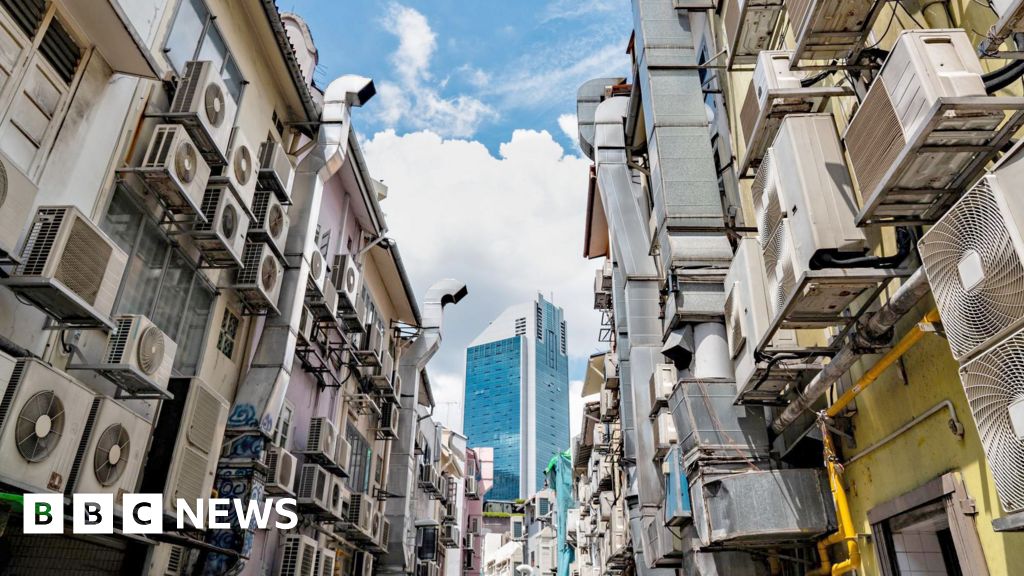
The government encourages dialing down thermostat settings in homes, offices, and public spaces. These steps aim to lower overall electricity demand and associated costs. The campaign highlights Singapore's high per capita air conditioning use, driven by its tropical climate.
Officials report that air conditioning accounts for a significant portion of the city's energy consumption. Implementation began in recent weeks to address immediate pressures.
“The rise in energy prices has hit Asia particularly hard as many nations are heavily reliant on Gulf oil.”
Regional Context and Challenges The oil crunch originates from global supply disruptions and increased demand post-pandemic recovery. Asian economies, including Singapore's, import over 90% of their oil needs. This has resulted in higher utility bills for consumers and businesses across the region. Singapore's measures include public awareness drives and incentives for energy-efficient appliances. No specific numerical targets for reduction were detailed in available reports. The initiative tests the city's infrastructure and public compliance in a hot, humid environment. Broader implications involve potential shifts in energy policy toward diversification. Singapore has long-term plans to increase renewable sources, but short-term reliance on oil persists. The crisis underscores vulnerabilities in urban energy management.
Story Timeline
3 events- Recent weeks
Singapore launches campaign to reduce air conditioning usage amid rising energy costs.
2 sourcesBBC News · BBC.co.uk - Ongoing
Energy prices rise sharply, affecting Asia's oil-import dependent economies.
2 sourcesBBC News · BBC.co.uk - Pre-crisis
Asia maintains heavy reliance on Gulf oil imports for energy needs.
2 sourcesBBC News · BBC.co.uk
Potential Impact
- 01
Asian businesses face higher operational costs from elevated energy prices.
- 02
Regional push for oil import diversification gains momentum in Asia.
- 03
Household electricity bills in Singapore decrease through reduced air conditioning.
- 04
Singapore accelerates adoption of energy-efficient technologies in public sectors.
Transparency Panel
Related Stories
 Will Buckner (CC BY 2.0)
Multiple ZeroHedge Articles Cover Diverse Topics Including Guns, AI, and Politics
ZeroHedge published several articles on varied subjects, including a new ATF rule on gun registries, Nvidia CEO comments on California, Gen Z views on AI, a planned socialist strike, and media reports on Trump advisers. Each piece reports on distinct events without cross-referenc…
 The Boston Globe
Braintree Approves 752-Unit Apartment Development on Former Factory Site
The town of Braintree, Massachusetts, has approved a $300 million project to build 752 apartments on a 30-acre site previously occupied by an Armstrong World Industries flooring plant. The development, led by Trammell Crow, aims to revitalize a long-vacant area near transit and c…
 Ali khodabakhsh / Wikimedia (CC BY 3.0)
European Airports and Airlines Warn of Jet Fuel Shortages if Strait of Hormuz Remains Closed
An association of European airports has warned EU officials of potential systemic jet fuel shortages if shipments through the Strait of Hormuz do not resume within three weeks. The airline industry has expressed increasing concerns about fuel availability amid the ongoing closure…