politics
Canada and Alberta Advance New Oil Pipeline With C$150bn in Related Investments
The governments of Canada and Alberta will proceed with a new oil pipeline after announcing more than C$150bn in spending to address concerns from British Columbia and First Nations. The plan includes port expansion, power infrastructure, and whale protections while maintaining a tanker ban on the northern coast.
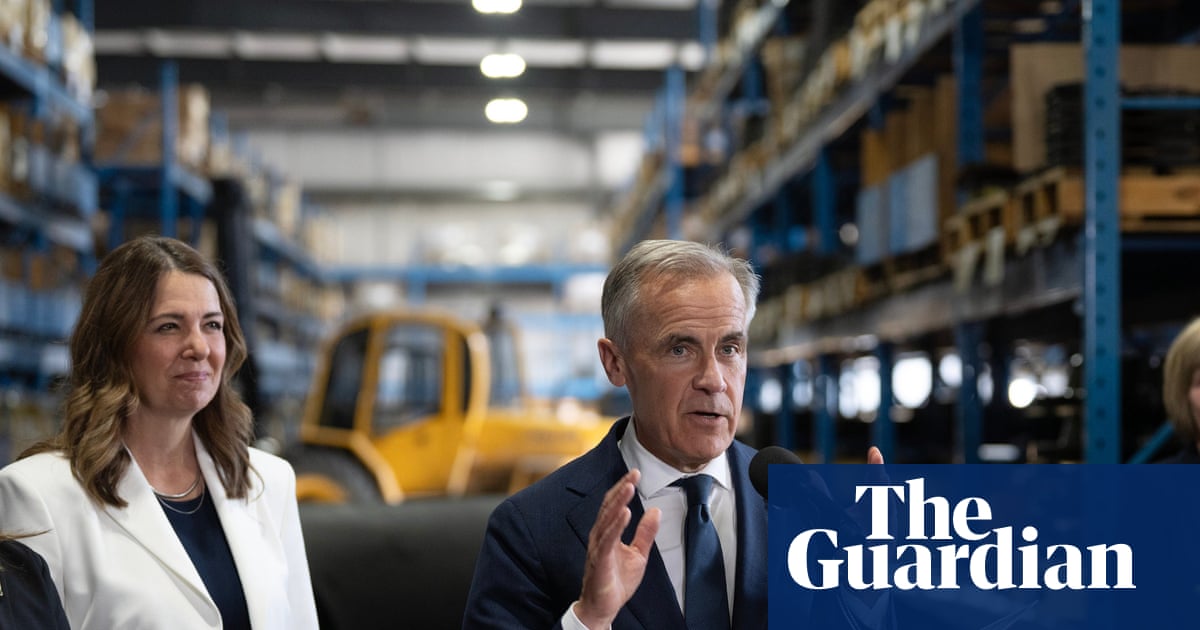 The Guardian
Audio version
Tap play to generate a narrated version.
Developing·Limited corroboration so far. This page will refresh as more sources emerge.
The governments of Canada and Alberta will move forward on a major new oil pipeline after announcing more than C$150bn in new investments across both provinces. The spending covers port expansion in Vancouver, power infrastructure for a liquefied natural gas terminal, and additional protections for the endangered southern resident killer whale.
Canada’s prime minister shuttled between British Columbia and Alberta on Thursday to outline the package. Officials said the investments form part of a broader effort to reduce trade dependence on the United States and expand overseas market access.
The pipeline will follow the existing Trans Mountain route before diverting to a new terminal at the end. It is designed to carry 1m barrels a day, according to the Alberta government. Canada and Alberta will be equal partners in the project, with a meaningful ownership stake reserved for Indigenous communities. Officials also committed to achieving substantial methane reductions.
Consultations with Indigenous communities, provinces, and territories will begin immediately. The federal tanker ban on British Columbia’s north coast will remain in place. British Columbia officials said they would not oppose the pipeline after securing what they described as strong safeguards and compensation for environmental risks.
A Coastal First Nations representative called the announcement a good day because the tanker ban would stay intact. The Climate Action Network agreed with the government’s description of geopolitical instability but argued that climate change, not trade partners, represents the larger threat.
