Substrate
politics

Canada Deepens EU Ties to Diversify From US Reliance

Canadian officials told Euronews the country has signed more than 20 new security, defence and economic agreements globally over the past year as part of a middle-power strategy. The foreign policy push is framed as long-term cooperation based on shared values rather than a reaction to U.S. policy under President Trump.

Euronews
theamericanconservative.com
The Guardian
3 sources·May 11, 10:00 AM(17 days ago)·3m read
Canada Deepens EU Ties to Diversify From US Relianceopencanada.org
Audio version
Tap play to generate a narrated version.

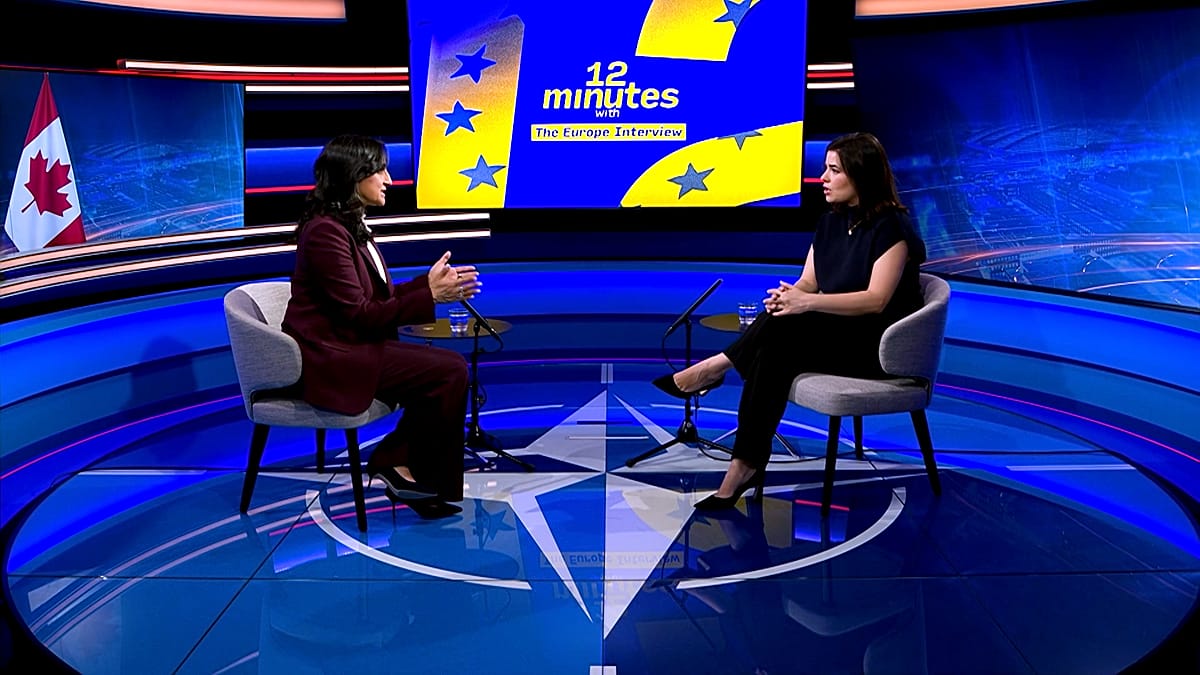
Canadian officials are broadening international partnerships, including with the European Union, as the country seeks to reduce its economic and security dependence on the United States. The officials told Euronews the relationships are built to endure and rest on like-mindedness, shared values, territorial integrity, state sovereignty and multilateral trade.

Over the past year Canada has signed more than 20 security, defence and economic agreements around the world. "Over the last year, we've signed over 20 security, defence and economic agreements around the world, and we're just getting started," one official said during an interview in Brussels.

The same official added that the partnerships "will stand the test of time" because they are not merely a policy response. The comments follow Canada's participation in a European Political Community summit in Yerevan, Armenia, the first time a non-European country joined the gathering.

Officials expressed enthusiasm for continued cooperation with Europe on security, defence and trade through existing instruments including the SAFE agreement, the Security and Defence Partnership and CETA.

While in Brussels on May 11, Canadian officials co-chaired a high-level meeting of the International Coalition for the Return of Ukrainian Children. They announced new sanctions on 23 individuals and five entities accused of involvement in violations against Ukrainian children.

Officials said Canada remains aligned with the EU on the response to Russia's war in Ukraine. They stated that decisions on mediation and Ukraine's future rest with Ukrainian leadership and that any mediator must have Kyiv's agreement. "We believe that any mediator that is chosen must be one that Ukraine agrees with," one official said.

"In particular, we want to see a ceasefire, which Zelenskyy agreed to, respected. What we’ve seen is Russia violating ceasefires, violating commitments, violating international law, unjustifiably and illegally killing Ukrainian individuals...
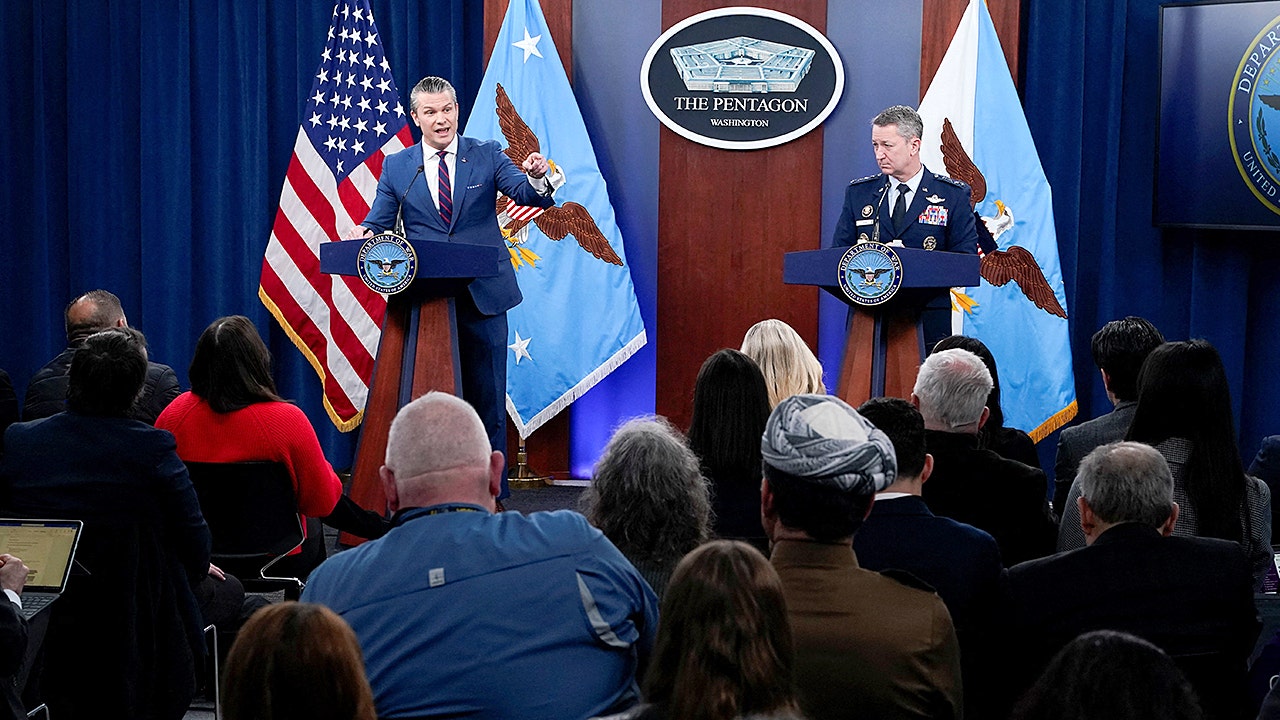
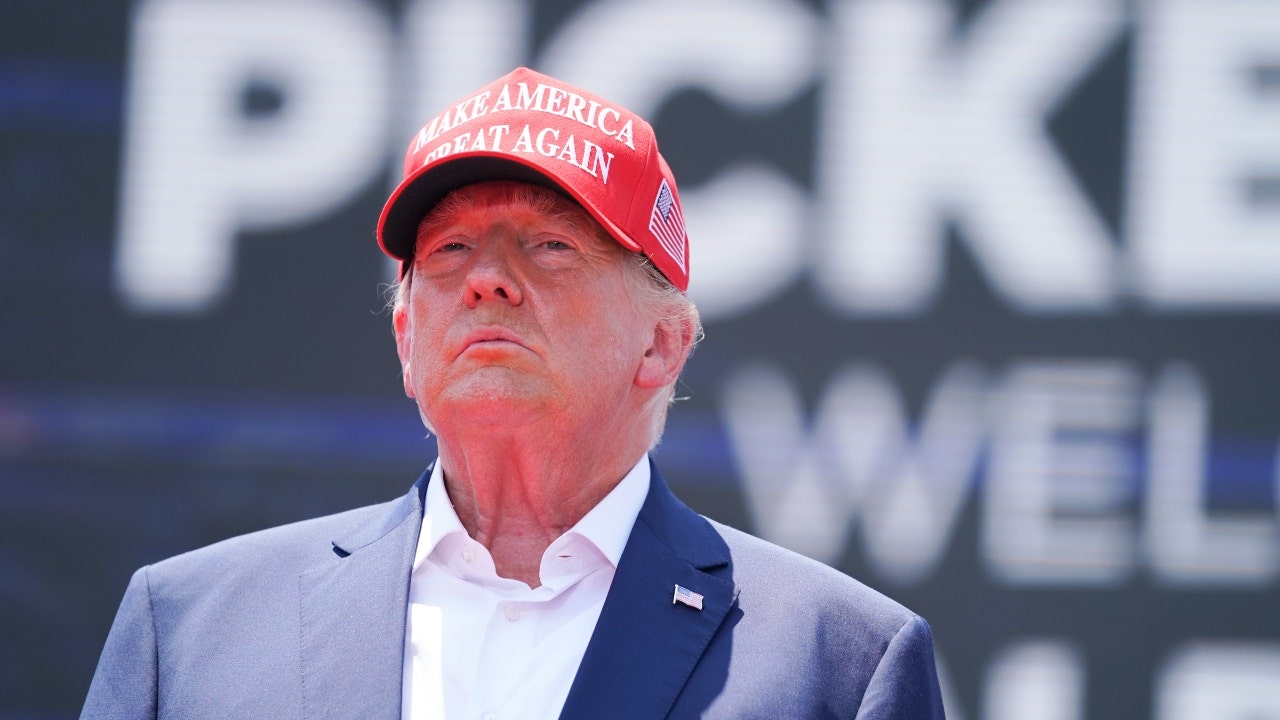
The reason is that it’s not just a policy response. The strategy spans security, agriculture, artificial intelligence and other areas. Earlier this year the Canadian prime minister spoke at Davos about a "rupture" in the U.S.-led system of global governance and the need for middle powers to chart a new path. In a speech to the European Political Community summit he said Europe would not submit to an "insular and brutal world" but could serve as a base to rebuild a new international order. Questions have been raised about whether closer EU ties could eventually lead toward Canadian membership in the bloc amid strained U.S. relations. Officials responded that the current focus is on diversifying trade relationships and advancing the middle-power approach rather than pursuing membership. The officials said the partnerships are intended to endure beyond immediate geopolitical pressures. They emphasized continued work with like-minded countries on values including multilateral trade.

Tax Policy Debate in U.S.

Separate coverage examined Democratic lawmakers' proposals to adjust tax policy following the 2024 election. One bill would cut taxes for Americans earning up to $80,500 individually or $161,000 for married couples, offset by a new surtax on incomes above $1 million.

According to the Penn-Wharton budget model the proposal would provide middle-class households in the 40th to 80th income percentile an average tax saving of about $1,500 in 2026 while increasing taxes on the top 0.1 percent by an average of $1.2 million.

The measure has drawn support from progressive lawmakers. Analysis in one outlet argued the strategy risks further limiting government resources needed for transfers and services that reduce inequality. Among OECD countries the United States raises relatively low tax revenue as a share of GDP, comparable to levels seen in the 1960s despite higher spending on social security, Medicare and debt interest.

Economists cited in the coverage found that government transfers account for about 90 percent of inequality reduction while taxes contribute roughly 10 percent. The piece contrasted U.S. outcomes with Sweden, where higher overall taxation paired with a less progressive structure funds more extensive redistribution, resulting in lower poverty and Gini coefficients.

The coverage noted that very high earners in the United States often pay little tax on unrealized capital gains and benefit from stepped-up basis at death. It suggested that addressing such provisions would require significant political effort but could free resources for broader social spending.

administration.

Key Facts

20+ agreements
signed by Canada on security, defence and economy in past year
23 individuals
plus five entities newly sanctioned over Ukrainian children
$1,500
average middle-class tax saving under proposed Democratic bill
May 11
date of Brussels meeting on return of Ukrainian children

Story Timeline

4 events
  1. May 11, 2026

    Canadian officials co-chaired a meeting on Ukrainian children and announced new sanctions on 23 individuals and five entities.

    1 sourceEuronews
  2. May 2026

    Canada participated as the first non-European country in a European Political Community summit in Yerevan, Armenia.

    1 sourceEuronews
  3. Recent weeks

    Canadian officials signed over 20 new security, defence and economic agreements globally in the past year.

    1 sourceEuronews
  4. 2026

    A Democratic senator proposed cutting taxes for middle-income earners funded by a surtax on millionaires.

    1 sourceThe Guardian

Potential Impact

  1. 01

    Ukrainian government retains veto power over any mediation proposals involving Canada or the EU.

  2. 02

    Canada will continue expanding defence and trade ties with the EU independent of U.S. policy.

  3. 03

    U.S. congressional debate on middle-class tax cuts gains traction among Democrats.

Transparency Panel

Sources cross-referenced3
Framing risk28/100 (low)
Confidence score86%
Synthesized bySubstrate AI
Word count700 words
PublishedMay 11, 2026, 10:00 AM
Bias signals removed4 across 2 outlets
Signal Breakdown
Loaded 1Editorializing 1Speculative 1Framing 1

Related Stories

Federal Judge Orders Trump Name Removed From Kennedy CenterVariety
politics36 min ago

Federal Judge Orders Trump Name Removed From Kennedy Center

A federal judge ruled Friday that the Kennedy Center board violated the law by adding President Donald Trump's name to the venue and ordered the name removed within two weeks. The same ruling blocked a planned two-year closure for renovations.

Newsweek
Cnn
Deadline
Variety
Cbs News
+2
7 sources
Brazil's Lula Criticizes U.S. Terror Designation of Crime GroupsLe Monde
politics36 min ago

Brazil's Lula Criticizes U.S. Terror Designation of Crime Groups

Brazilian President Luiz Inacio Lula da Silva rejected the U.S. decision to label two major crime organizations as terrorist groups. He called the move a potential setback in fighting crime and warned against interference in Brazilian sovereignty.

AF
Le Monde
2 sources
Giants QB Jaxson Dart Addresses Trump Rally Introduction With Teammatesnypost.com
politics36 min ago

Giants QB Jaxson Dart Addresses Trump Rally Introduction With Teammates

New York Giants quarterback Jaxson Dart spoke publicly for the first time about introducing President Donald Trump at a May 22 event. He addressed the team during a Tuesday meeting after teammate Abdul Carter posted criticism on social media.

nypost.com
ESPN
2 sources