science
Canada Offers Free Entry to National Parks Starting June 19
The Government of Canada will waive entry fees at all national parks, national historic sites, and national marine conservation areas from June 19 through September 7. Overnight stays will receive a 25 percent discount while other services remain at full price.
May 18, 4:50 AM·1m read1 source
 cicnews.com
Audio version
Tap play to generate a narrated version.
The Government of Canada announced that entry to all national parks, national historic sites, and national marine conservation areas will be free from June 19 through September 7. The measure also covers lockage at Parks Canada canals. Staff will remain at gates and visitor centers to assist visitors, though no tickets or passes will be required during the period.
Overnight stays at campgrounds and other lodging will receive a 25 percent discount. Tents, RVs, yurts, tipis, cabins, and historic buildings are included. Guided tours, mooring, fishing licences, firewood, and parking will continue at regular rates.
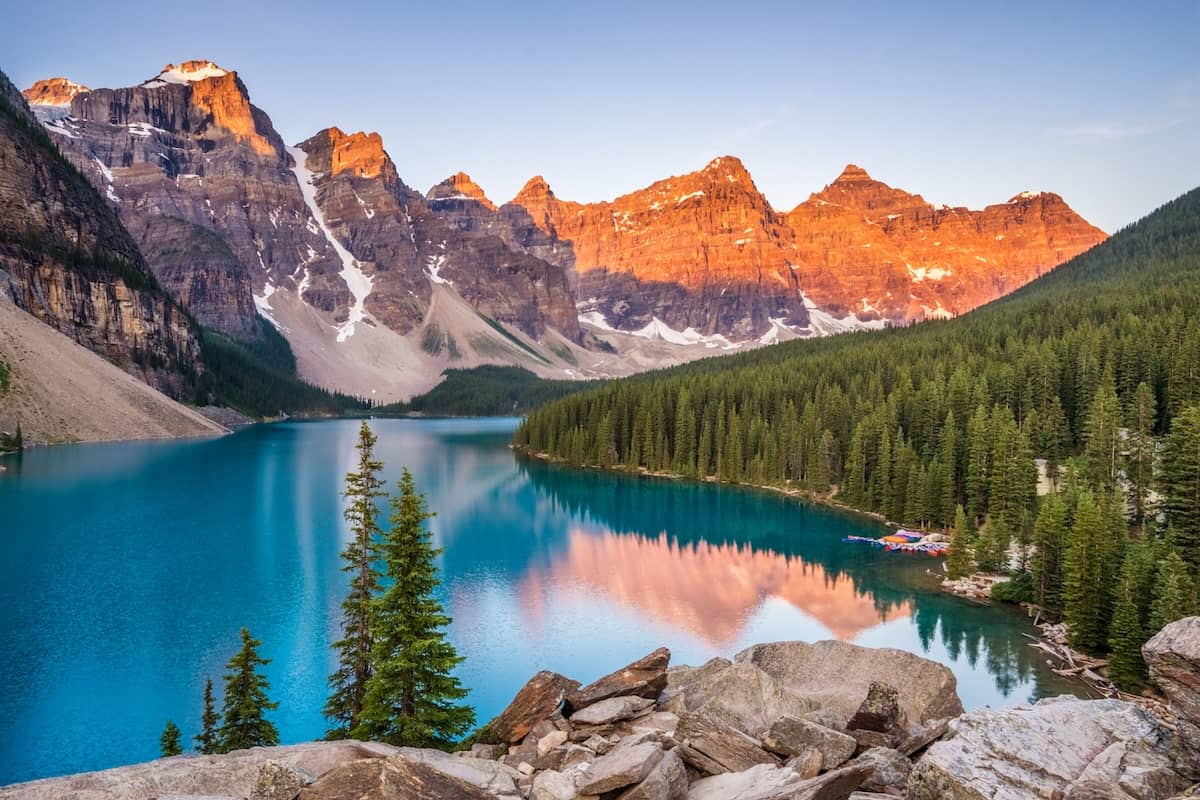
Canada operates 37 national parks and 11 national park reserves covering more than 115,000 square miles. National park reserves are managed similarly to parks but remain subject to Indigenous land claims. Visitors can encounter boreal forests, tundras, lakes, and glaciers across the system.
Pacific Rim National Park Reserve on Vancouver Island features long sandy beaches and the 46-mile West Coast Trail. First Nation communities offer self-guided walks to hand-carved totem poles. Banff National Park, established as Canada’s first national park, contains nearly 1,000 miles of alpine trails through the Rocky Mountains.
Gros Morne National Park in Newfoundland and Labrador includes fjords, cliffs, waterfalls, and the Tablelands, a rare exposed section of the Earth’s mantle.