Substrate
health

Canada's Fentanyl Czar Warns of Rise in Nitazenes and Other Synthetic Opioids

Canada’s commissioner in the fight against fentanyl said newer synthetic opioids such as nitazenes are appearing in the drug supply on both sides of the U.S.-Canada border. Kevin Brosseau told USA TODAY that bilateral cooperation has reduced fatal fentanyl overdoses by 20 percent in recent years but that traffickers have adapted by producing more potent compounds.

Usa Today
1 source·May 14, 9:06 AM(17 days ago)·3m read
Canada's Fentanyl Czar Warns of Rise in Nitazenes and Other Synthetic OpioidsUsa Today
Audio version
Tap play to generate a narrated version.
Developing·Limited corroboration so far. This page will refresh as more sources emerge.

Canada’s commissioner in the fight against fentanyl warned that newer synthetic opioids stronger than fentanyl are appearing with increasing frequency in the drug supply on both sides of the U.S.-Canada border. Kevin Brosseau, whose official title is Commissioner in Canada’s Fight Against Fentanyl, said in an exclusive interview with USA TODAY that nitazenes and similar compounds have prompted the Canadian government to expand cooperation with international partners.

The effort focuses on raising awareness, eliminating precursor chemicals and targeting transnational organized crime groups involved in their production. Brosseau, who also serves as Canada’s senior associate deputy minister of national defense, said U.S. counternarcotics officials have praised Canada’s efforts to curb fentanyl flows.

He stated there is virtually no significant amount of the drugs crossing the northern border into the United States. Canada-U.S. cooperation has helped both countries lower fatal fentanyl overdoses by 20 percent in recent years, Brosseau said. Traffickers responded by manufacturing other synthetic opioids that are often mixed into fentanyl and other drugs to increase potency.

Nitazene, a class of synthetic opioids developed in the 1950s but never approved for medical use in the United States, can be 10 to 40 times more powerful than fentanyl, which itself is roughly 50 times stronger than heroin. Because the substances are produced in laboratories rather than derived from cultivated plants, they can be manufactured in large volumes at low cost and away from traditional law enforcement detection.
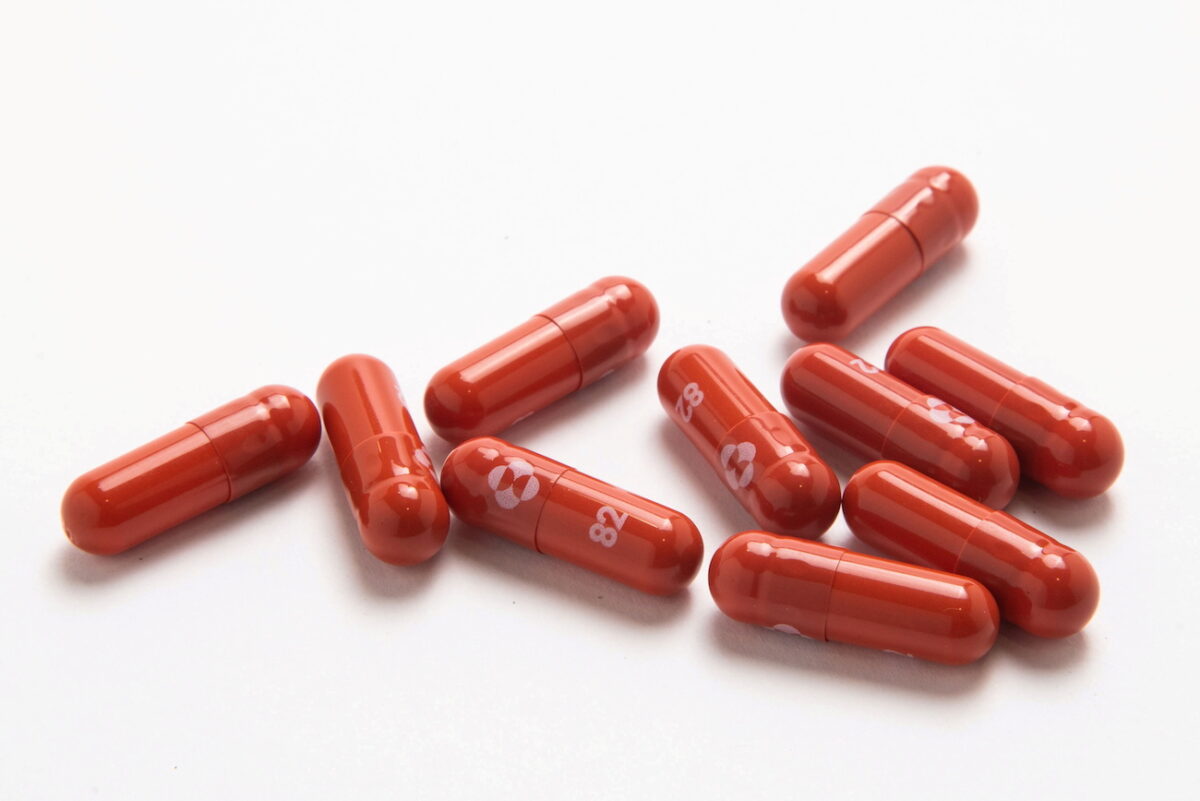
The compounds are frequently mixed into heroin, fentanyl and counterfeit prescription pills to make them stronger and more addictive, according to the U.S. Drug Enforcement Administration. Clever chemists continually alter the formulas, producing new variants that appear regularly.

“I could have never predicted in the '90s, as I was dealing with heroin overdoses, that new synthetics would be completely dominating, and they’ve essentially blown up the North American drug market.”

Kevin Brosseau (USA TODAY)

Brosseau first encountered synthetic opioids as a Royal Canadian Mounted Police commander in Winnipeg, Manitoba, in 2015. He noted that heroin has become nearly nonexistent in some parts of Canada as lab-made opioids now dominate the market.

Vaping and Detection Challenges

Brosseau expressed particular concern about vaping products, stating that young people may believe they are using marijuana or other substances when the products have been laced with opioids. He said the business model relies on creating addiction through stronger compounds.

Officials are also finding it harder to interdict traffickers because production has shifted from large agricultural fields to industrial-scale laboratories and small “artisanal” basement operations that press the drugs into pills or other forms. The bilateral partnership on synthetic opioids is modeled on the two countries’ post-Sept.

11, 2001, cooperation on terrorist threats, with emphasis on shared intelligence flows. On May 12 the DEA issued a public safety advisory about the heightened threat posed by fentanyl mixed with emerging synthetic drugs including nitazenes, xylazine, cyclopropylfentanyl and medetomidine.

The advisory stated that these combinations are making an already deadly drug supply even more unpredictable and lethal. Brosseau said authorities are working with partners in China, India and G7 countries to address chemicals and syndicates before new variants reach the market.

He added that many fatal overdoses involving these substances may not be fully counted because they are mixed with longer-circulating drugs.

Transparency

Confidence75%

Reported by a single outlet. This score reflects source tier and factual specificity — corroboration is limited with one source.

Story details

Related Stories

WHO Reports Five Recoveries From Rare Ebola Strain in Congo and Ugandanypost.com
health18 hrs ago

WHO Reports Five Recoveries From Rare Ebola Strain in Congo and Uganda

The World Health Organization said five people have recovered from the Bundibugyo strain despite the absence of approved treatments or vaccines. At least 906 suspected cases and 223 deaths have been reported across the affected region.

Cbs News
nypost.com
timesofindia.indiatimes.com
thehindu.com
4 sources
Ebola Outbreak in Eastern Congo Reaches 906 Suspected Casescitizen.co.za
health1 day agoFraming65Framing risk65/100Rewrite inherits consensus framing that foregrounds process/response challenges and alarmist expert quotes over core outbreak facts, with lede misdirection and selective negative sourcing.Click to jump to full framing analysis

Ebola Outbreak in Eastern Congo Reaches 906 Suspected Cases

WHO Director-General Tedros Adhanom Ghebreyesus arrived in Bunia on May 30 to assess the response to a Bundibugyo virus outbreak that has killed 223 people. Officials reported cases spreading to North Kivu and South Kivu, while Uganda confirmed nine infections.

Abc News
Associated Press
cbsnews.com
content.api.nytimes.com
4 sources
Zambia’s Kabwe Residents Sue Mining Company Over Lead ContaminationFrance 24
health2 days ago

Zambia’s Kabwe Residents Sue Mining Company Over Lead Contamination

Children in Kabwe, Zambia, show blood lead levels above World Health Organization limits after decades of mining. An estimated 140,000 women and children have joined a class-action lawsuit against Anglo American South Africa Limited.

France 24
FR
2 sources