Canva Halts Work for Five Days of AI Training and Hackathons
The design software company paused normal operations for its 5300 employees worldwide to focus on AI learning, workshops and product development. The optional program includes more than 60 sessions with speakers from OpenAI, Anthropic and Google. It occurs as several other Australian technology companies have reduced staff citing productivity gains from artificial intelligence.
 The Sydney Morning Herald
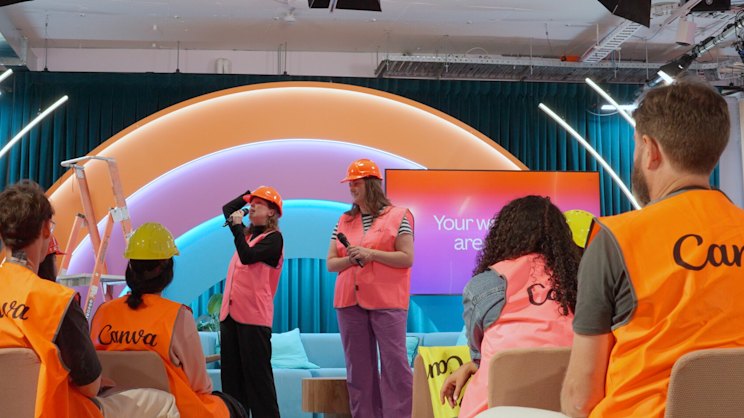
The design software company Canva has stopped regular work for its global workforce of 5300 people for five days dedicated entirely to artificial intelligence training, workshops and hackathons. The initiative, called AI Discovery Week, includes more than 60 talks and sessions. Speakers have been brought in from OpenAI, Anthropic and Google.
The company also held a pizza event during the week. The move contrasts with recent staff reductions at other Australian technology firms. WiseTech Global, Block and Atlassian have cut headcount in the past six months, with some executives linking the cuts to productivity improvements enabled by artificial intelligence.
The program is optional for staff. Participation has been high enough that the company's Sydney office is at capacity, with some employees reporting difficulty finding desks. A company executive responsible for the initiative said it was developed in response to employee feedback gathered in a biannual survey.
The survey showed staff wanted dedicated time to study, experiment with and learn about AI tools. The company co-founder has expressed the view that AI will enable teams to become more efficient and creative. The program takes place against a background of wider industry efforts by some software companies to automate portions of human work.
The executive said the company acknowledged varied employee reactions to these changes. Staff were told it was normal to experience a range of emotions including excitement or concern about how their roles might evolve. The company has sought to maintain open discussion about the effects of AI.
Automation at the company has so far resulted in reassignment of staff rather than net job losses, according to the executive. One example cited was an internal human resources process previously handled through multiple employee tickets that is now largely managed by AI, freeing those staff for other work.
A company operations staff member who participated in the week said last year's event allowed him to develop a tool he had previously believed required a software engineer.
He described the shift as less about AI replacing jobs and more about raising the standard of what teams can achieve when using the tools effectively. The sessions have also covered responsible use of AI, its environmental impact and areas where human judgment remains necessary.
The company has avoided major layoffs over the past five years even as its headcount grew rapidly during the pandemic from 1000 to 4000 employees before a more measured approach to hiring in 2024 and 2025.
When filling roles during that period the company focused on adding net new skills or leadership in emerging areas. The executive said this approach reflected operational discipline rather than displacement by AI. Previous hackathon projects from the week have led to customer-facing products.
One such feature, a personalization tool called About Me, was developed during an earlier event and launched at the company's Create conference in Los Angeles. AI engagement has spread beyond technical teams. Finance staff have conducted workshops on maintaining human oversight, while kitchen staff have used AI to design menus reflecting the diverse nationalities in the workforce.
The executive, who joined the company six years ago as an assistant when it had 450 employees, now oversees people strategy for more than 5300 staff. Success of the week will be measured by an internal survey question on whether employees feel they have a better balance of high-impact work versus routine tasks.
The company co-founder and chief operating officer stated that the pace of change requires teams to gain hands-on experience quickly.
The decision to pause regular business aims to provide that opportunity across the organization.


