business
Caribbean Hot Sauce Makers Face Pepper Shortages and Higher Costs
Scotch bonnet pepper supplies have fallen after back-to-back hurricanes in Jamaica. Manufacturers report price increases of up to ten times and some order cancellations. Producers are using inventory buffers and testing hybrid peppers to maintain output.
May 31, 7:19 PM·1m read1 source
 gamereactor.eu
Audio version
Tap play to generate a narrated version.
Developing·Limited corroboration so far. This page will refresh as more sources emerge.
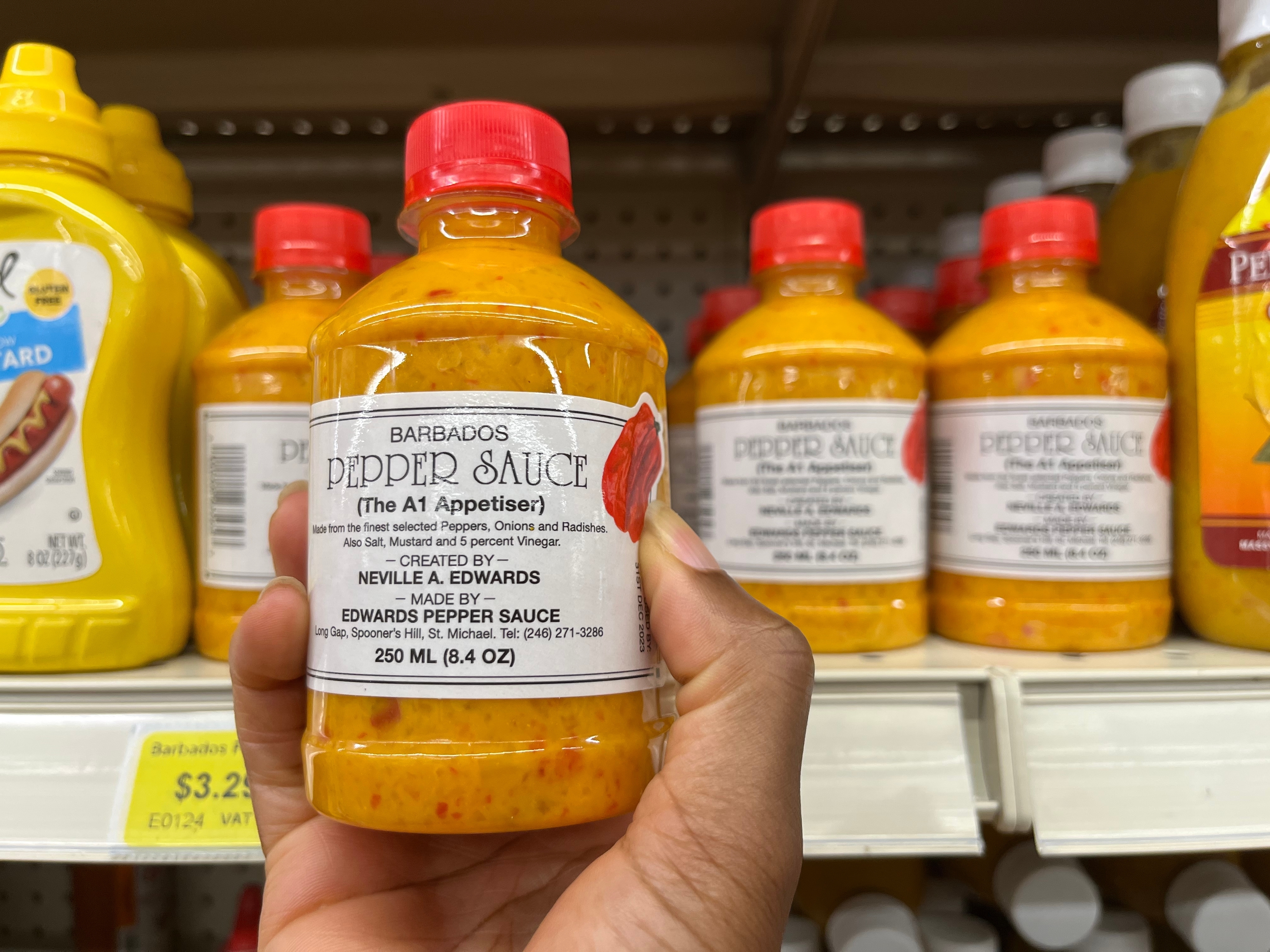
Caribbean hot sauce producers report reduced supplies of Scotch bonnet peppers and higher purchase prices. The shortages follow extreme weather, plant disease, and pest damage across the region. Jamaica, a leading producer of the yellow peppers, was struck by Hurricane Melissa last October. The storm was the strongest in the island's recorded history and came one year after Hurricane Beryl.
Manufacturers said the company had to cancel orders after the storms. Walkerswood, the firm's brand, exports more than 95 percent of its sauces and seasonings, with two-thirds of sales going to the United States. Drew Gray of Gray's Pepper said prices rose roughly ten-fold immediately after Hurricane Melissa.
Over the past two years the company has recorded an overall price increase of 40 to 50 percent.
The Jamaican government supplied Scotch bonnet seeds to 650 growers. Dwight Forrester of the Rural Agricultural Development Authority said peppers remain a flagship export, with 40 percent of production shipped abroad. In Antigua, Homebrew Hot Sauce owner Ensly Smith said the firm sometimes reduces order volumes when peppers are scarce.
The company kept roughly 600 pounds of peppers in storage before Hurricane Melissa and continued shipments. Novella Payne of Granma Aki uses Moruga scorpion peppers grown locally in Antigua to limit reliance on higher-priced Scotch bonnets. Walkerswood has partnered with the Jamaican government on a farm and is funding research into disease-resistant strains of the yellow peppers.