finance
CDC nominee Schwartz declines to commit on vaccine policy disputes
Dr. Erica Schwartz told a Senate committee she would not answer hypothetical questions about following orders from Health Secretary Robert F. Kennedy Jr. Senators also questioned her on past CDC program changes and her financial disclosures.
Jul 15, 3:18 PM·2m read1 source
 Fortune
Audio version
Tap play to generate a narrated version.
Developing·Limited corroboration so far. This page will refresh as more sources emerge.
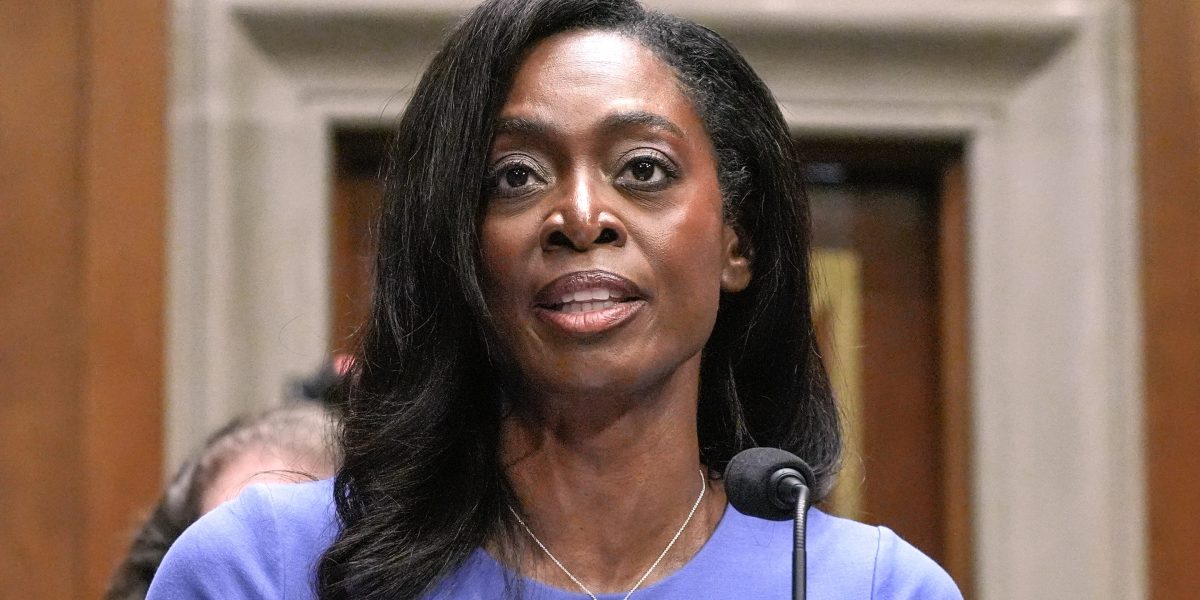
Dr. Erica Schwartz, the Trump administration's nominee to lead the Centers for Disease Control and Prevention, told the Senate health committee on Wednesday that she would not answer questions about how she would respond to specific vaccine policy directives.
Schwartz, 54, said she would "never betray the science" and would use "radical transparency" if confirmed. She declined to say whether she would remove a CDC webpage suggesting a link between childhood vaccines and autism, stating she had not seen the page.
Background on agency leadership The CDC has had four directors or acting directors in the past two years. Former acting director Susan Monarez was confirmed by the Senate and then removed within a month. National Institutes of Health Director Jay Bhattacharya has been overseeing the agency most recently.
Schwartz said she was unaware that CDC programs on smoking prevention and vaccination promotion had been curtailed.
Maggie Hassan asked whether Schwartz would suspend a flu vaccination campaign if ordered to do so during a deadly flu season. Schwartz replied that she does not speak in hypotheticals. Hassan noted that internal CDC emails released last month documented such a directive from Kennedy.
Schwartz also agreed to examine whether AI data centers cause health problems and whether a World Trade Center Health Program clinical center should be established in Florida, requests made by Republican senators.
Financial disclosures and other nomination Schwartz filed financial disclosure letters last month stating she would leave her position at UnitedHealth Group, where she earns about $850,000 in salary and bonus, and would resign from boards at three other companies if confirmed.