finance
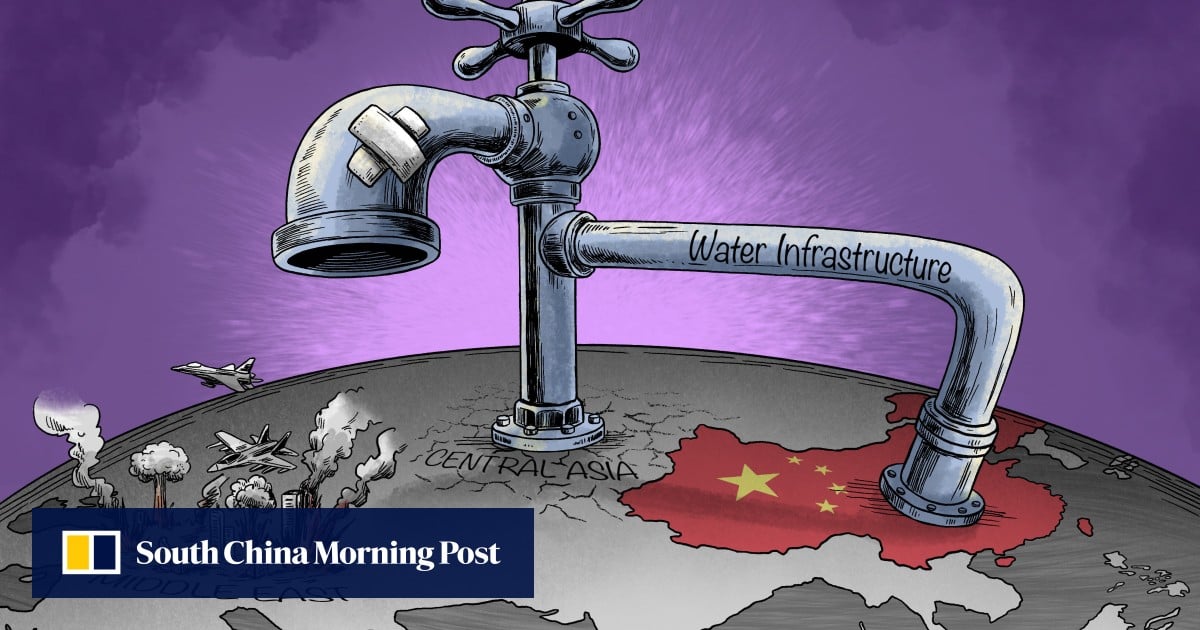
Central Asia Discusses Chinese Aid for Water Infrastructure Following Iran Conflict
The US-Israel war on Iran has damaged desalination plants and disrupted supply chains. Landlocked Central Asian states that rely on glacier-fed rivers now face renewed water shortages and may seek Chinese investment to upgrade aging systems.
May 27, 6:00 PM·1m read1 source
 South China Morning Post
Audio version
Tap play to generate a narrated version.
Developing·Limited corroboration so far. This page will refresh as more sources emerge.
The US-Israel war on Iran has damaged desalination plants in Iran, Bahrain and Kuwait since the conflict began three months ago. The strikes have also interrupted global supplies of energy, fertiliser and helium. Those supplies are already under pressure from climate change, population growth and urbanisation.
Abdurashitov, chief policy adviser at Dubai-based Outpost Eurasia, said the same long-standing factors that affected Iran’s water supply before the war now affect Central Asia. He noted that governments may seek outside assistance to modernise irrigation networks and manage shared rivers.
The article states that Beijing’s expanding influence is already shifting the strategic orientation of the former Soviet states. Observers cited in the report said Chinese investment could be directed toward upgrading Soviet-era water infrastructure.
No specific projects or funding amounts were announced in the report.