business
Central Asian Countries Plan Joint 2,000 MW Hydropower Plant
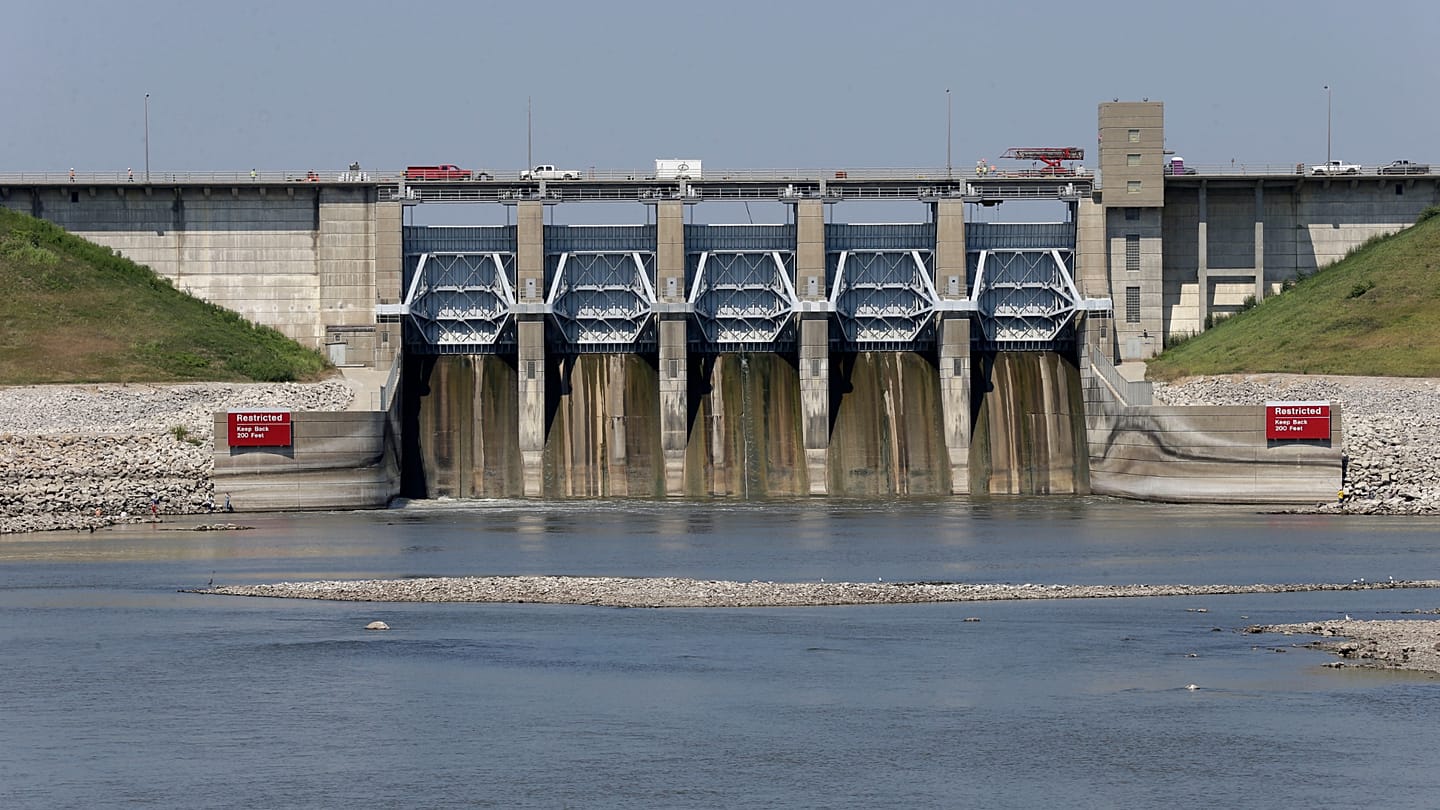
Kazakhstan, Kyrgyzstan, and Uzbekistan are preparing to launch a joint hydropower plant with a capacity of nearly 2,000 MW. The project includes the Kambarata HPP-1 facility at 1,880 MW, which is described as strategically important. Other regional energy developments involve renewables in multiple countries.
 Euronews
Audio version
Tap play to generate a narrated version.
Developing·Limited corroboration so far. This page will refresh as more sources emerge.
Kazakhstan, Kyrgyzstan, and Uzbekistan have agreed to develop a joint hydropower plant with a capacity of nearly 2,000 MW. The project centers on the Kambarata HPP-1 facility, which has a planned capacity of 1,880 MW. This output is comparable to that of two large nuclear reactor units or several thermal power stations.
Kyrgyzstan is advancing small hydropower plants as part of its renewable energy strategy. The country is also developing solar and wind power projects with a combined capacity of 6,050 MW.
Kazakhstan operates 162 renewable energy facilities and plans to bring 10 more online this year. The country holds the world's largest uranium reserves and exports uranium to various nations. Following a 2024 referendum approving nuclear power plant construction, Kazakhstan has decided to build three nuclear facilities.
Kazakhstan developed nuclear power during the Soviet period. The joint hydropower project is expected to reduce annual carbon dioxide emissions by around 1.3 million tonnes.
Tajikistan ranks eighth globally in hydropower potential and hosts about 13,000 glaciers that supply more than 60% of the region's water resources. The country is developing small hydropower projects and reports low levels of carbon emissions. Uzbekistan is expanding its renewable energy sector, focusing on solar and wind power, along with waste-to-energy projects.
The country aims to increase its share of renewable energy to over 50% by 2035.
A hybrid solar and wind power plant with a 10 MW capacity is under construction in Turkmenistan's Balkan province. Central Asian countries are initiating joint projects amid regional warming trends. The region is experiencing rapid warming and is identified as one of the world's warming hot spots.


