world
Chernobyl Anniversary Highlights Nuclear Risks in Ukraine War
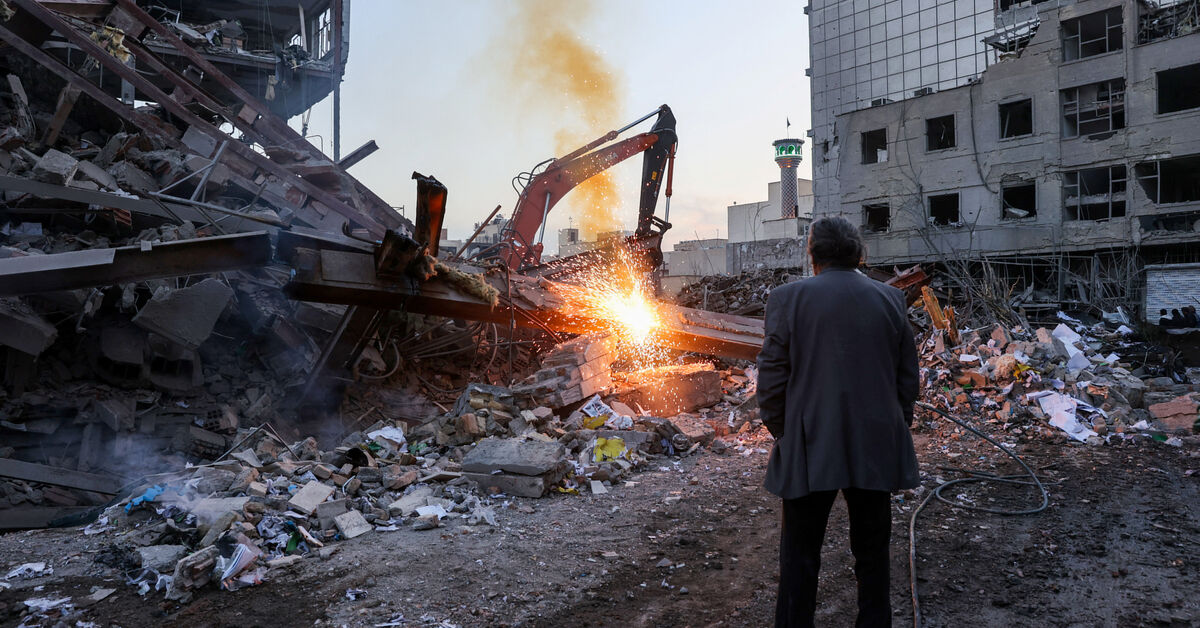
The 40th anniversary of the Chernobyl nuclear disaster highlighted ongoing risks from Russia's war in Ukraine, with strikes killing at least 16 people and warnings about potential attacks on nuclear sites. Amid broader energy disruptions from conflicts including the US-Israel war on Iran, officials emphasized renewable energy's role in enhancing national security.
SC
 The Guardian
Audio version
Tap play to generate a narrated version.
Strikes across Ukraine, Russian-occupied territories, and Russia resulted in at least 16 deaths on the 40th anniversary of the Chernobyl nuclear disaster. Authorities reported the casualties amid fresh warnings about the dangers of military actions near the decommissioned plant.
The anniversary prompted reflections on how the ongoing war could lead to another nuclear incident, with Russian drones noted to have flown over the site and one striking its protective shield last year. The Ukrainian president accused Russia of engaging in nuclear terrorism, stating that the actions were bringing the world to the brink of a man-made disaster.
This came as the contaminated zone around Chernobyl remains under army control, serving as a security belt rather than an area for economic development in the near term. Ideas for economic benefits from the zone have been discussed, but war conditions have layered additional challenges on the site.
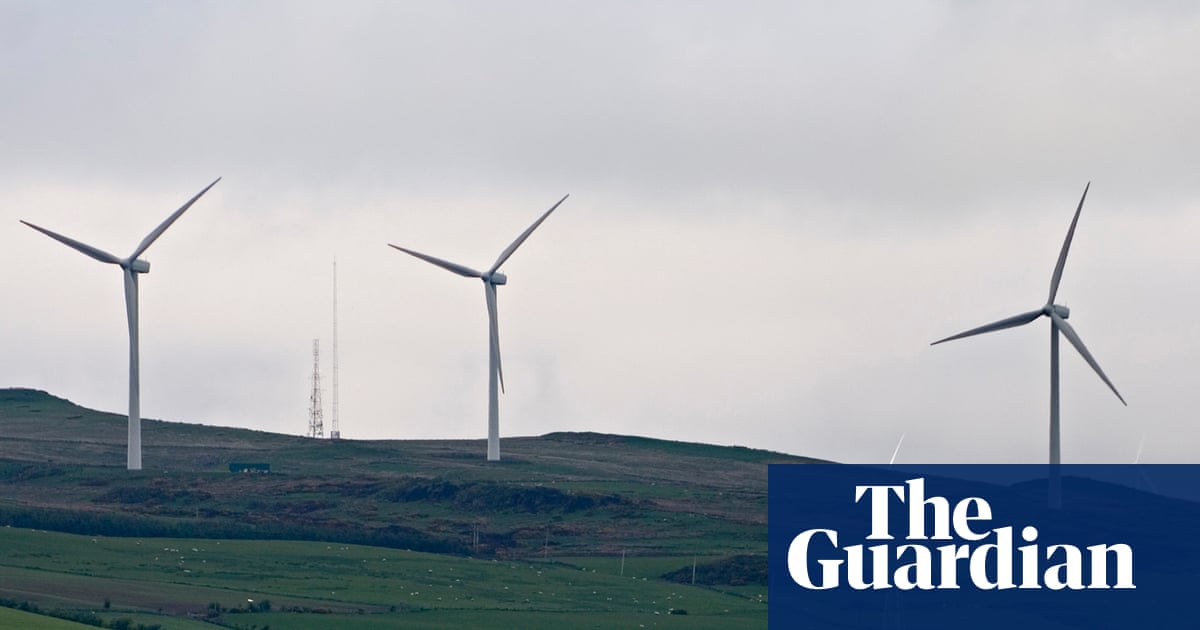
The government's energy minister stated that renewable energy sources like widely dispersed wind farms and solar panels are harder to target than large fossil fuel power stations, making them key to national security. These sources are also less vulnerable to supply shocks, such as those from the current oil crisis linked to the US-Israel war on Iran and gas price surges following Russia's 2022 invasion of Ukraine.
The minister highlighted lessons from Ukraine's efforts to build decentralized, decarbonized infrastructure at a rapid pace. Military experts and former military chiefs have advocated for investments in renewables to bolster resilience against aggression or sabotage.
One retired lieutenant general noted that low-carbon energy is essential for a resilient homeland and strong military deterrence. This perspective contrasts with pushes for more North Sea drilling, which faced setbacks after analysis showed new exploration licenses would have minimal impact on energy security or prices.