world
China Calls for Swift Reopening of Strait of Hormuz
China's foreign minister urged the immediate reopening of the Strait of Hormuz following its closure. The call comes amid heightened tensions in the region that have disrupted global oil shipments. Officials have not detailed the circumstances that led to the strait being closed.
May 15, 5:57 PM·2m read6 sources
UNSPIN+3
 economictimes.indiatimes.com
Audio version
Tap play to generate a narrated version.
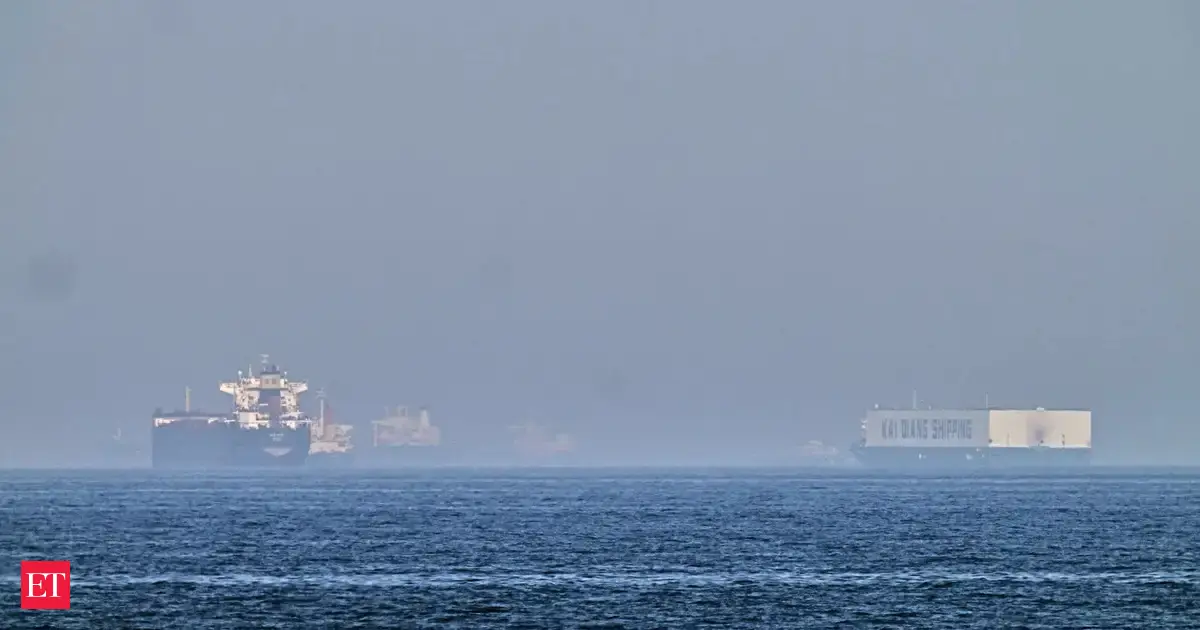
China's foreign minister has called for the Strait of Hormuz to be reopened as soon as possible. The statement comes as the vital waterway remains closed, disrupting tanker traffic and contributing to volatility in global energy markets. The foreign minister's remarks were reported across multiple outlets on Saturday.
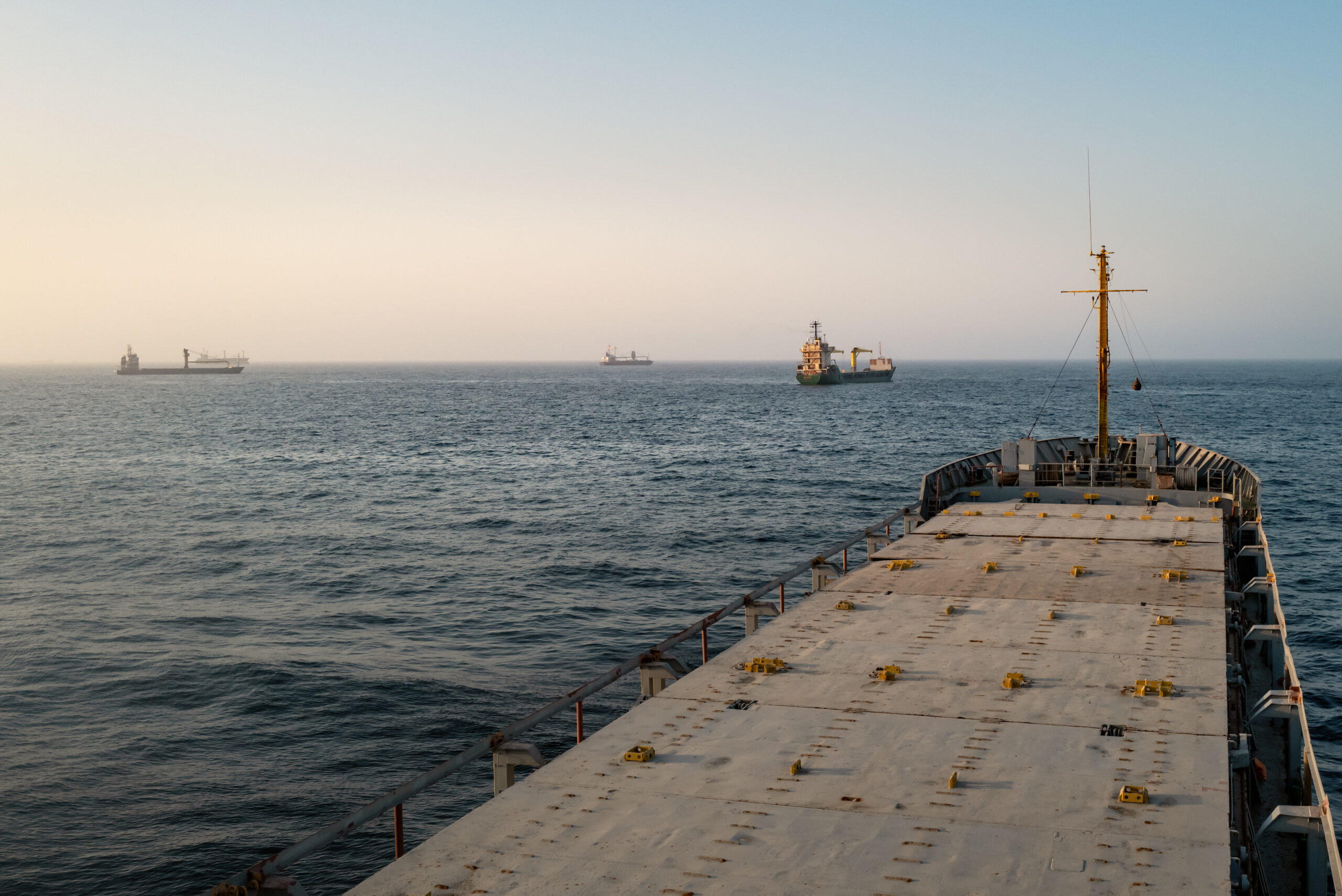
Its closure has forced shipping companies to reroute vessels around Africa or halt voyages entirely. No specific reason for the closure was given in the Chinese statement. Regional tensions have escalated in recent weeks with reported maritime incidents and diplomatic exchanges between Gulf states and Western powers.
The call for reopening reflects Beijing's interest in stable energy flows. China is the world's largest importer of crude oil and relies heavily on shipments that transit the strait.
“China Foreign Minister Wang Yi: calls for reopening Strait of Hormuz as soon as possible" — Wang Yi (May 2026, multiple wires). Maritime security firms have tracked increased insurance premiums for vessels in the area. Several tanker operators confirmed they were holding position outside the strait pending further updates. Earlier this year, American forces conducted joint exercises with allies aimed at securing key maritime routes. Analysts following energy markets said prolonged closure could push Brent crude prices above $90 per barrel. However, such projections remain tied to the duration of any disruption. Chinese officials have previously emphasized the need for de-escalation in Middle East flashpoints. Saturday's statement follows similar diplomatic language used during past incidents involving the strait. Insurance underwriters have begun quoting rates not seen since the height of previous regional crises. The foreign minister stopped short of assigning blame for the current closure. The statement focused solely on the urgency of restoring normal transit.”
The call for reopening aligns with China's broader policy of advocating uninterrupted commercial shipping lanes. Western diplomats have echoed the importance of keeping the strait open but have tied any resolution to specific security guarantees. No immediate multilateral talks were announced following the Chinese remarks.