Substrate
world

China Enacts Rules Penalizing Supply Chain Shifts Abroad

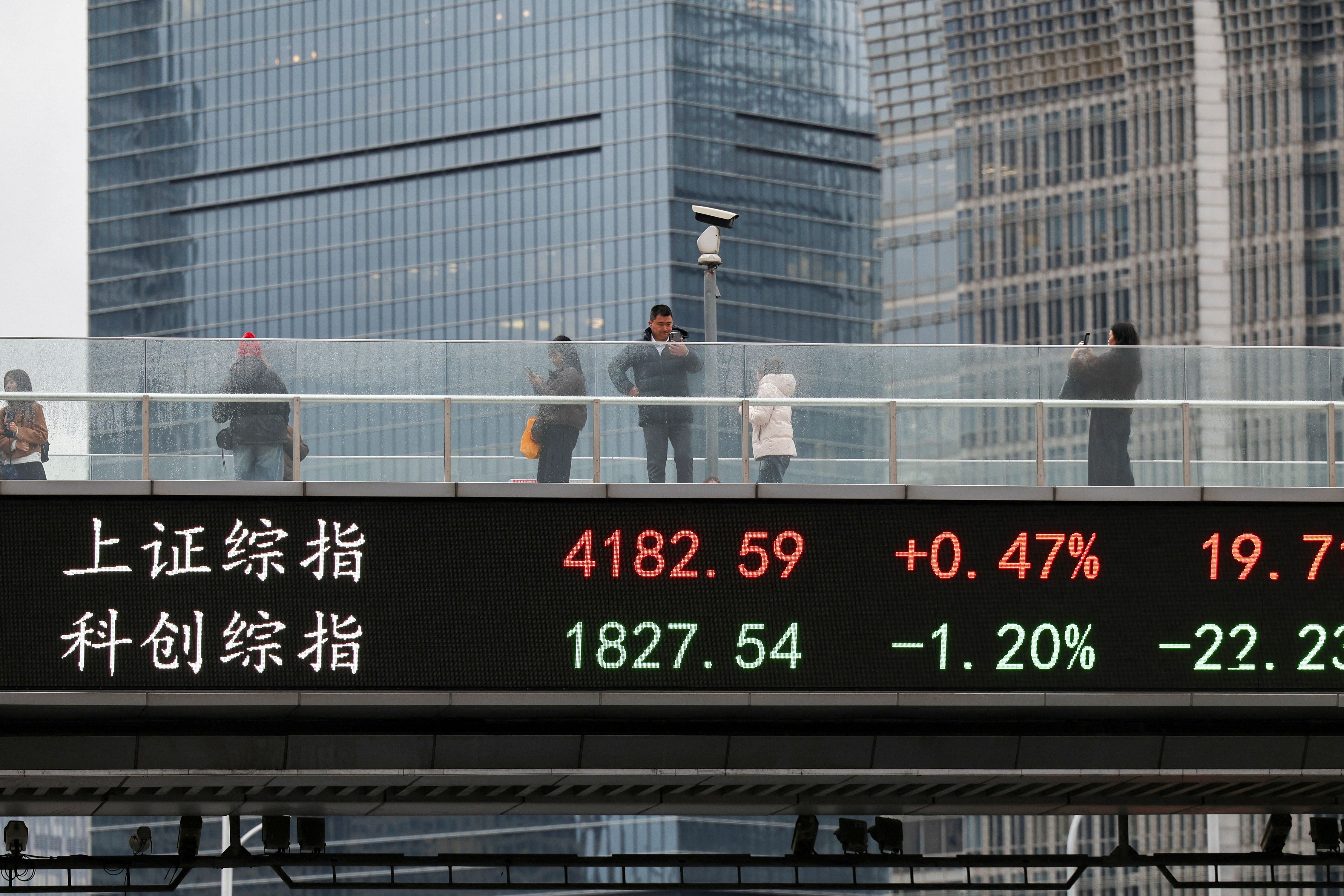
China has introduced new regulations imposing penalties on companies moving supply chains out of the country. These measures include exit bans on staff and asset seizures. The rules are linked to U.S. threats of sanctions related to Iranian oil purchases.

Semafor
ZeroHedge
2 sources·Apr 21, 10:31 PM(37 days ago)·1m read
China Enacts Rules Penalizing Supply Chain Shifts AbroadSemafor
Audio version
Tap play to generate a narrated version.
Developing·Limited corroboration so far. This page will refresh as more sources emerge.

China has enacted new regulations that impose penalties on foreign and domestic companies relocating supply chains outside the country. The penalties include exit bans on staff and asset seizures. These rules apply to both foreign and domestic firms.

Manufacturers have increasingly shifted production to countries such as India and Vietnam. This trend occurs amid geopolitical tensions with the United States and other Western nations.

The regulations are connected to the ongoing Iran war. China cited U.S. threats to sanction Chinese banks over purchases of Iranian oil as creating spillover risks for Chinese companies, according to a Financial Times report. The measures aim to address these risks by restricting supply chain movements.

Key Facts

New rules enacted
Beijing enacted new rules on April 21, 2026, threatening stiff punishments for companies shifting supply chains out of China.
Punishments detailed
Punishments include exit bans on staff and asset seizures.
Link to Iran war
Beijing linked the restrictions to the Iran war, arguing U.S. threats to sanction Chinese banks over Iranian oil purchases created spillover risks.
Geopolitical context
The shift occurs amid mounting geopolitical strains with the U.S. and other Western countries.
Analyst warnings
Analysts warned the measures will spike tensions and could backfire by encouraging outflow of investment, talent, and technology.

Story Timeline

4 events
  1. Apr 22, 6:03 AM ET

    1 new source added: ZeroHedge

    1 sourceZeroHedge
  2. 2026-04-21

    Beijing enacted new rules threatening punishments for companies shifting supply chains out of China.

    1 sourceSemafor
  3. 2026-04-21

    Beijing linked the restrictions to the Iran war and U.S. sanction threats on Chinese banks over Iranian oil purchases.

    1 sourceFinancial Times via Semafor
  4. Recent (ongoing)

    Manufacturers shifting production to places like India and Vietnam amid geopolitical strains with the U.S. and Western countries.

    1 sourceSemafor

Potential Impact

  1. 01

    Asset seizures and exit bans affecting foreign and domestic firm operations in China.

  2. 02

    Increased tensions with trading partners like the U.S. and Western countries.

  3. 03

    Spillover risks for Chinese companies from U.S. sanctions on banks.

  4. 04

    Potential backfire encouraging more companies to shift production abroad.

Transparency Panel

Sources cross-referenced2
Framing risk18/100 (low)
Confidence score65%
Synthesized bySubstrate AI
Word count116 words
PublishedApr 21, 2026, 10:31 PM
Bias signals removed4 across 2 outlets
Signal Breakdown
Loaded 3Speculative 1

Related Stories

WHO Chief Visits DRC as Ebola Death Rate Reaches 30-50%The Guardian
world38 min ago

WHO Chief Visits DRC as Ebola Death Rate Reaches 30-50%

World Health Organization director-general Tedros Adhanom Ghebreyesus arrived in the Democratic Republic of the Congo to support containment of a new Ebola outbreak. The agency revised the death rate to 30-50% based on confirmed cases and recorded 10 confirmed and 223 suspected d…

SK
The Guardian
2 sources
Greek National Charged in UK With Aiding Iran-Linked Intelligence Servicewesternjournal.com
world38 min ago

Greek National Charged in UK With Aiding Iran-Linked Intelligence Service

A 46-year-old Greek man living in Germany was charged under the UK National Security Act with assisting an intelligence service believed to be Iran by targeting a journalist at Iran International.

Reuters
BBC News
2 sources
Supreme Court Revives Havana Docks Lawsuit Over Confiscated Cuban Propertyupi.com
world2 hrs ago

Supreme Court Revives Havana Docks Lawsuit Over Confiscated Cuban Property

The U.S. Supreme Court sent a Helms-Burton Act case back to lower courts for further argument. The suit seeks damages from cruise lines that used docks seized by Cuba in 1959.

FO
1 source