business
China Oil Imports Cut by One-Third During Iran Conflict
China reduced daily oil imports by roughly one-third while the Strait of Hormuz was closed. State-owned energy companies kept large stockpiles and did not draw on strategic reserves. The import slowdown helped ease global price pressure during the conflict.
 The Sydney Morning Herald
Audio version
Tap play to generate a narrated version.
Developing·Limited corroboration so far. This page will refresh as more sources emerge.
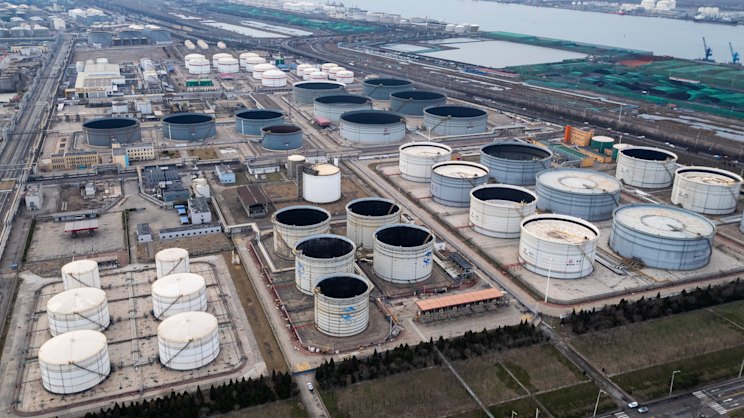
China reduced its daily oil imports by roughly one-third during the conflict that closed the Strait of Hormuz. The pullback occurred mainly because of higher prices and left the country with nearly full storage tanks at refineries and state energy firms.
Beijing did not tap its strategic petroleum reserves. Corporate crude stockpiles remained high because the country had purchased more oil than needed in prior years when prices were low.
Refineries continued operating by drawing on existing inventories. Domestic demand for gasoline, diesel and jet fuel weakened as prices rose, and the government halted most exports of refined products to protect local supplies. The combination of lower consumption and the export ban left storage tanks full of refined fuels.
Oil companies therefore had little immediate need to buy and process additional crude.
A quick return to pre-conflict purchase volumes is not expected while global prices stay above earlier levels. The 60-day U.S.-Iran agreement that allows limited reopening of the strait removes some of the discounts Chinese refiners previously received on Iranian crude.
Those discounts had been worth several hundred million dollars a month. China’s Ministry of Foreign Affairs welcomed the possible resumption of safe passage through the strait but gave no indication of changes to energy policy.