science
China's Coal Power Output Rose Early in 2026 While Renewables Surpassed Thermal Capacity
Power-sector emissions increased in the first four months but stayed below 2024 levels. New coal capacity additions continued while renewable installations reached record levels.
Jun 12, 5:00 AM·2m read1 source
 news.sky.com
Audio version
Tap play to generate a narrated version.
Developing·Limited corroboration so far. This page will refresh as more sources emerge.
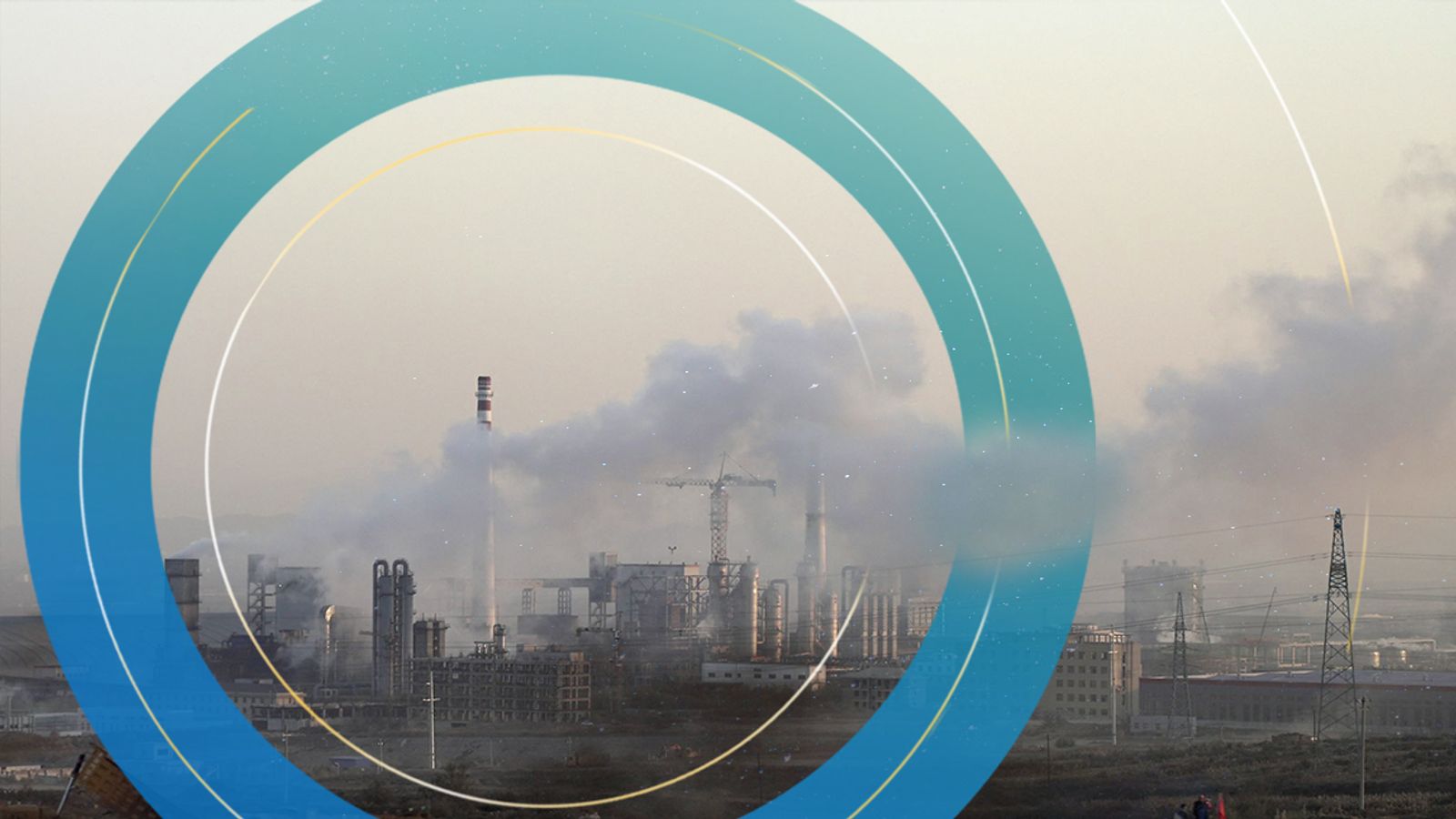
China’s coal-fired power generation increased during the first four months of 2026, pushing power-sector carbon emissions higher even as they remained below 2024 levels, Inside Climate News reported. Data from China’s National Energy Administration showed that installed renewable energy capacity, including wind, solar, biomass and hydro, reached 2,340 gigawatts by the end of 2025 and accounted for nearly 60 percent of total generating capacity.
Combined wind and solar capacity surpassed thermal power capacity for the first time.
The Centre for Research on Energy and Clean Air recorded the first annual decline in China’s power-sector carbon emissions in more than a decade in 2025. Nearly 59 gigawatts of new renewable-energy capacity were installed in the first quarter of 2026, representing about 70 percent of all new power-generation capacity added during that period.
5 gigawatts of new coal-fired power capacity in 2024 and commissioned roughly 78 gigawatts in 2025.
The country added another 24 gigawatts of coal capacity in the first quarter of 2026. China retired about 3 gigawatts of coal-fired capacity in 2025. Qi Qin, an analyst at CREA, said the increase in coal-fired generation is likely driven by the rapid addition of new coal plants rather than recent disruptions around the Strait of Hormuz.
“It is more likely that China has commissioned too many new coal-fired power plants since 2024,” she said. China produces more than 90 percent of the coal it consumes domestically. Imports account for roughly three-quarters of its oil supply and about 40 percent of its natural gas consumption.
5 percent, according to official customs data. Qinghai province installed 73 gigawatts of clean-energy capacity by October 2025, accounting for about 93 percent of its total generating capacity. 9 million people.