finance
China's Industrial Profits Rise 15% in Early 2024 Amid Energy Security Shifts to Renewables
China's industrial profits increased by 15% at the start of the year, driven by economic recovery factors. The country relies heavily on its own equipment production for renewable energy transitions aimed at enhancing energy security. High oil prices pose a potential threat to this positive outlook, though China's oil reserves and alternative energy sources may mitigate broader impacts.
Mar 27, 12:40 AM·2m read2 sources
BU
 ecns.cn
Audio version
Tap play to generate a narrated version.
China's industrial sector recorded a 15% surge in profits for the first two months of 2024 compared to the same period in 2023. This growth reflects improved demand and production in key industries. The data comes from official statistics released by China's National Bureau of Statistics.
Several factors contributed to the profit increase, including stimulus measures and export growth. However, analysts note that the initial momentum faces challenges from global commodity price fluctuations. Oil prices, in particular, have risen sharply due to geopolitical tensions and supply constraints.
worldwide are increasing investments in renewable energy to reduce dependence on fossil fuels and enhance energy security.
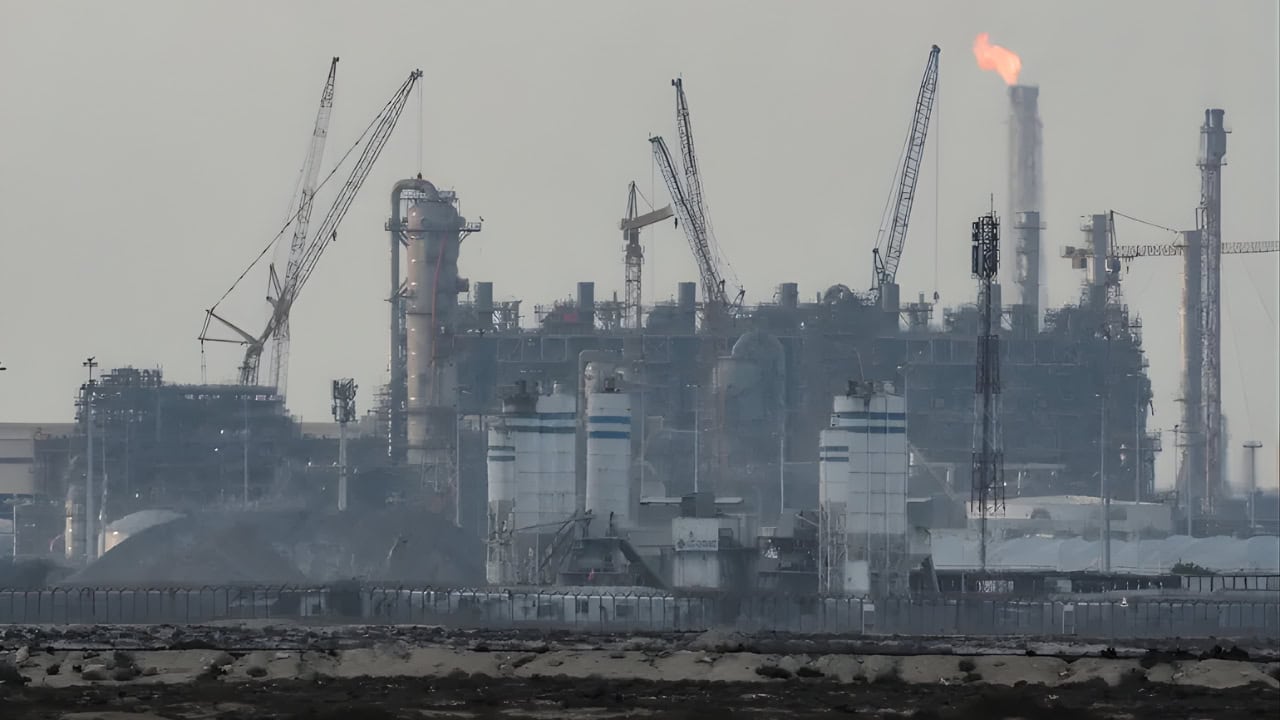
China plays a dominant role as a supplier of equipment for solar panels, wind turbines, and related infrastructure. This positioning strengthens China's export economy while supporting global green transitions. China's domestic strategy emphasizes diversifying energy sources to buffer against international oil market volatility.
The nation maintains substantial strategic oil reserves, estimated at over 90 days of import coverage. Alternative energy development, including hydropower and nuclear, further bolsters resilience.
A recent oil price shock, with Brent crude exceeding $85 per barrel in early 2024, threatens to raise production costs for Chinese industries.
CNBC reported that while soaring energy prices will affect economies globally, China's reserves and alternative sources limit the impact compared to other nations. No direct contradiction appears in available sources regarding the extent of this threat.
Industrial sectors such as manufacturing and chemicals, which account for a significant portion of profits, remain vulnerable to higher input costs.