Substrate
finance

China Set to Import Record Volume of US Ethane Amid Disruptions from Iran Conflict

China is expected to import a record 800,000 tons of US ethane in April 2026 due to supply disruptions of naphtha and LPG from the Middle East caused by the ongoing Iran war. This increase, about 60% above the monthly average, helps petrochemical producers offset shortages following the closure of the Strait of Hormuz.

ZeroHedge
1 source·Apr 21, 2:59 AM(15 days ago)·2m read
|
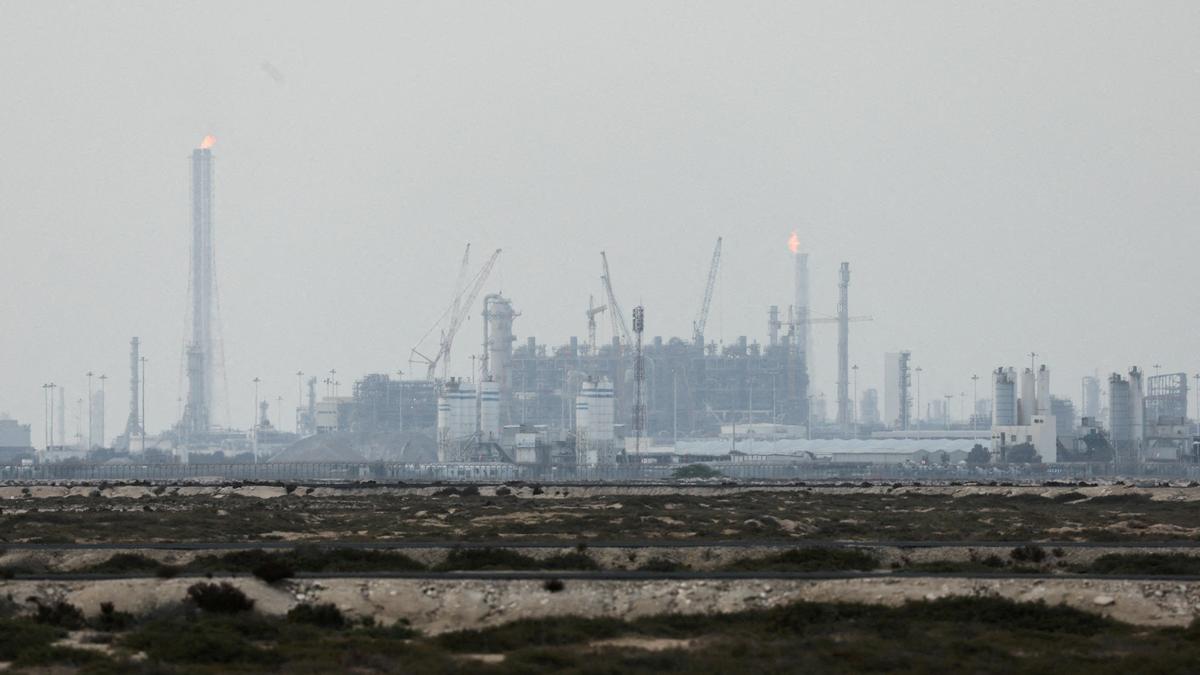
China Set to Import Record Volume of US Ethane Amid Disruptions from Iran ConflictSubstrate placeholder — needs review · Wikimedia Commons (CC BY-SA 3.0)
Audio version
Tap play to generate a narrated version.
Developing·Limited corroboration so far. This page will refresh as more sources emerge.

Increase in Imports China is projected to import 800,000 tons of US ethane in April 2026, marking a record high, according to Chinese consultant JLC. This volume represents a 60% increase over the monthly average. The surge addresses disruptions in supplies of naphtha and liquefied petroleum gas from the Middle East due to the ongoing Iran war and the effective closure of the Strait of Hormuz.

Ethane serves as a primary feedstock for producing ethylene, essential for plastics manufacturing. China relies almost entirely on the US for its ethane supply. Some petrochemical companies can switch to ethane to mitigate the impact of these supply interruptions.

ethane is favored for its stable supply and lower costs, stated Shi Linlin, an analyst with JLC. As of April 15, 2026, profits from producing ethylene using ethane were ten times higher than those using naphtha, influenced by crude oil-linked pricing, according to JLC data.

A ramp-up in downstream production capacity has also boosted demand for the gas. New ethane units, including one developed by Wanhua Chemical Group and a multi-feed cracker by a petrochemical company, have contributed to higher imports this year, Shi added.

In February 2026, over 50% of China's naphtha imports and more than 40% of its LPG purchases came from Persian Gulf nations, based on Chinese government data. These supplies have been cut off while the Strait of Hormuz remains blocked.

The International Energy Agency stated last week that petrochemical feedstocks are experiencing the most immediate effects from the war, with supply chains to Asia in disarray. Japan has sought naphtha from alternative suppliers, including the US and Africa. China maintains strategic petroleum reserves of 1.5 billion barrels of oil but lacks similar storage for naphtha or ethane.
The disruption around the Strait of Hormuz has really highlighted how exposed Asia is to Middle Eastern naphtha." — Amber Liu, head of Asia Petchem Analytics at ICIS This year, naphtha-fed crackers account for about 57% of China's ethylene capacity, compared to 16% for ethane, according to Amber Liu. The developments occur ahead of President Donald Trump's planned visit to Beijing in mid-May 2026, where US energy topics are expected to be discussed, particularly if the Iran war persists.

Key Facts

800,000 tons
projected US ethane imports by China in April 2026
60% increase
over monthly average for US ethane shipments to China
Tenfold profits
from ethane vs naphtha for ethylene as of April 15
57% capacity
of China's ethylene from naphtha-fed crackers this year
Mid-May 2026
scheduled visit of President Trump to Beijing

Story Timeline

4 events
  1. April 2026

    China expected to import record 800,000 tons of US ethane due to Middle East supply disruptions.

    1 sourceZeroHedge
  2. April 15, 2026

    Profits from ethane-based ethylene production reported as tenfold those from naphtha.

    1 sourceZeroHedge
  3. Last week (April 2026)

    International Energy Agency noted petrochemical feedstocks most affected by Iran war.

    1 sourceZeroHedge
  4. February 2026

    Over 50% of China's naphtha and 40% of LPG imports originated from Persian Gulf nations.

    1 sourceZeroHedge

Potential Impact

  1. 01

    Chinese petrochemical producers may increase reliance on US ethane, potentially strengthening US leverage in trade discussions.

  2. 02

    Disruptions could lead to higher costs for ethylene production in China if alternative supplies remain limited.

  3. 03

    Japan and other Asian nations may continue seeking naphtha from non-Middle East sources, diversifying global supply chains.

Transparency Panel

Sources cross-referenced1
Framing risk0/100 (low)
Confidence score65%
Synthesized bySubstrate AI
Word count377 words
PublishedApr 21, 2026, 2:59 AM
Bias signals removed3 across 2 outlets
Signal Breakdown
Loaded 1Speculative 1Amplifying 1

Related Stories

Oil Prices Drop After Reports of U.S.-Iran Talks on Ending War and Reopening Strait of HormuzJashuah / Wikimedia (CC BY-SA 3.0)
finance2 hrs ago

Oil Prices Drop After Reports of U.S.-Iran Talks on Ending War and Reopening Strait of Hormuz

Oil prices dropped significantly following reports that the U.S. and Iran are close to a memorandum of understanding to halt fighting and begin nuclear talks. President Trump announced a pause in the U.S. naval escort operation in the Strait of Hormuz. Iran is expected to respond…

cnbc.com
DE
UN
3 sources
Crypto Firm World Liberty Financial Sues Investor Justin Sun Over Alleged Smear Campaigninsidermonkey.com
finance2 hrs agoDeveloping

Crypto Firm World Liberty Financial Sues Investor Justin Sun Over Alleged Smear Campaign

World Liberty Financial, a cryptocurrency company founded by the Trump and Witkoff families, has filed a lawsuit accusing investor Justin Sun of conducting a smear campaign to harm its token's value. The suit claims Sun shorted the token in violation of agreements and used social…

Fox News
1 source
FDA Withdraws Studies Supporting Safety of COVID and Shingles VaccinesThe U.S. Food and Drug Administration / Wikimedia (Public domain)
finance2 hrs ago

FDA Withdraws Studies Supporting Safety of COVID and Shingles Vaccines

The U.S. Food and Drug Administration blocked the publication of research finding rare side effects from COVID and shingles vaccines. The studies were withdrawn due to broad conclusions not supported by data, amid broader efforts by the Trump administration to challenge vaccine r…

cnbc.com
The New York Times
Forbes
3 sources