finance
China and US Agree to Expand Two-Way Trade With Reciprocal Tariff Cuts
China's Foreign Minister Wang Yi said the United States and China have agreed to promote expansion of two-way trade under a framework of reciprocal tariff reductions. The two sides also agreed to set up boards on trade and investment while teams continue working on details of outcomes. The announcements follow ongoing discussions between the countries on trade matters.
May 15, 10:09 AM·1m read4 sources
FILI +1
+1
 al-monitor.com
Audio version
Tap play to generate a narrated version.
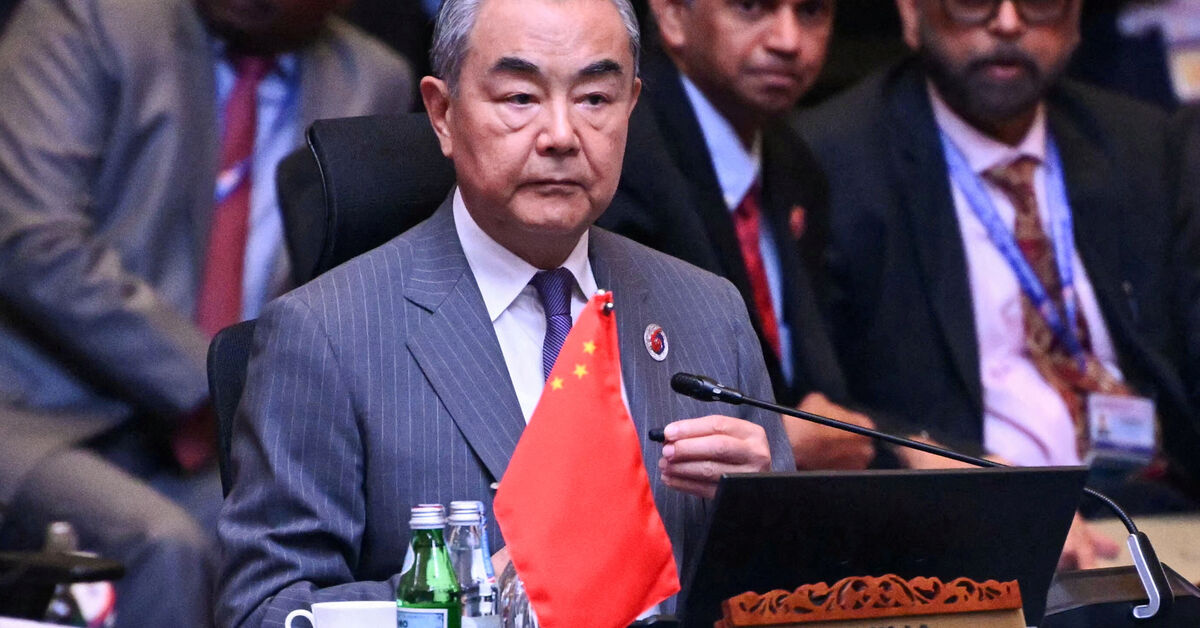
China and the United States have reached agreements aimed at expanding bilateral trade, including a framework for reciprocal tariff reductions. China's Foreign Minister Wang Yi said the two countries agreed to promote the expansion of two-way trade under the framework of reciprocal tariff reductions.
He added that the United States and China teams are still working on details for outcomes on trade. The agreements also include setting up boards of trade and investment. Wang Yi's statements were reported by Xinhua and came after recent high-level discussions between the two sides.
The framework focuses on reciprocal tariff reductions to facilitate greater trade flows. Officials from both countries have committed to continued negotiations on specific outcomes. Wang Yi emphasized that the teams remain engaged in finalizing details. This ongoing work suggests implementation of the broader agreements will take additional time.
The announcements reflect efforts to address trade tensions that have persisted in recent years. Both sides have previously imposed tariffs on a range of goods, affecting exporters and importers. Reciprocal reductions could ease costs for businesses engaged in cross-border commerce.
The establishment of dedicated boards is intended to provide formal channels for addressing trade and investment issues on a regular basis.
“We agreed to promote the expansion of two-way trade under the framework of reciprocal tariff reductions.”
The developments were disclosed as part of broader diplomatic engagements. No specific timeline for tariff adjustments or board launches was provided in the statements.