Chinese solar exports to Africa rise 83 percent in April
Chinese solar exports to Africa increased 83 percent year-on-year in April amid higher global demand for renewable energy. South Africa recorded an 81 percent increase in purchases of solar cells and panels.
 Semafor
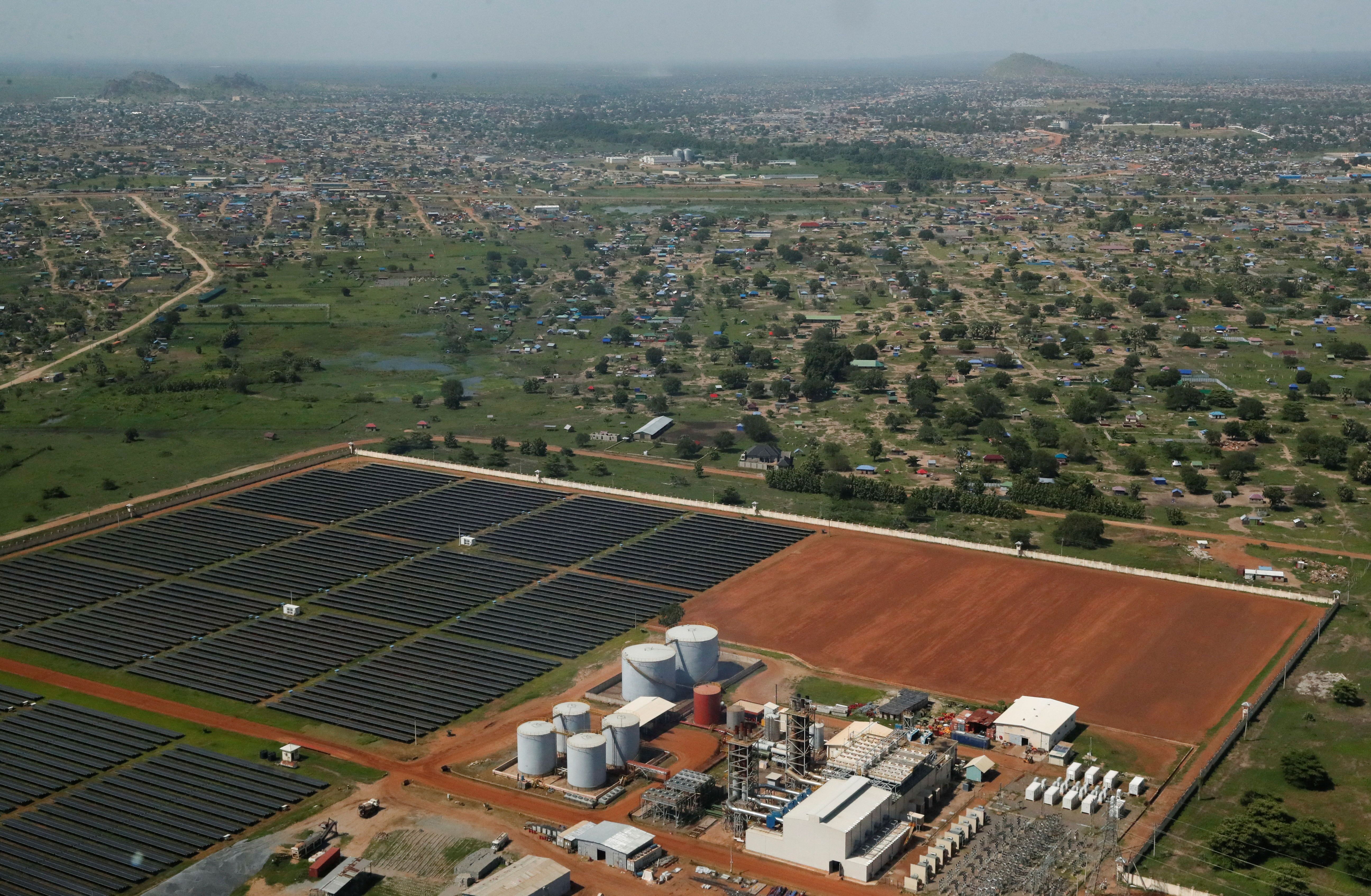
Chinese solar exports to Africa increased 83 percent year-on-year in April, according to data reported by Semafor. The rise comes as higher oil prices linked to the Strait of Hormuz blockade have increased interest in alternative energy sources across the continent.
South Africa, the largest buyer of solar cells and panels from China in the region, recorded an 81 percent increase in purchases last month compared with the same period a year earlier. A sustained oversupply of solar panels in China has contributed to lower prices for equipment in recent years.
Africa possesses roughly 60 percent of the world's solar energy potential yet accounts for about 1 percent of global solar power generation. An estimated 600 million people on the continent still lack access to electricity. The ongoing Strait of Hormuz blockade has raised oil prices and highlighted reliance on imported fossil fuels in several African countries.
Beijing has increased focus on African markets as part of efforts to expand solar equipment sales.
Key Facts
Potential Impact
- 01
Lower solar panel prices may accelerate renewable energy projects in African countries.
Transparency Panel
Related Stories
 straitstimes.com
Journalists in Gaza to Receive 2026 Golden Pen of Freedom Award
Three international news agencies will accept the award on behalf of their local staff still reporting from the territory. The World Association of News Publishers cited the journalists' continued coverage under extreme conditions.
 upi.com
Supreme Court Revives Havana Docks Lawsuit Over Confiscated Cuban Property
The U.S. Supreme Court sent a Helms-Burton Act case back to lower courts for further argument. The suit seeks damages from cruise lines that used docks seized by Cuba in 1959.
 France 24
Pakistan Population Growth Outpaces Infrastructure as Male Contraception Stays Taboo
Pakistan's population exceeds 258 million and could reach 300 million by 2030. Contraception remains largely taboo in a society shaped by traditional values. The country continues to lag behind neighbors India and Bangladesh in key social sectors.