politics
CIA Director Visits Cuba
The CIA director traveled to Havana on Thursday for talks with Cuban officials as the island nation reported it had exhausted its fuel supplies amid a U.S. blockade and ongoing blackouts. Protests broke out in parts of the capital with demonstrators demanding electricity. A U.S.
May 15, 11:14 AM·2m read2 sources

 uctoday.com
Audio version
Tap play to generate a narrated version.
Developing·Limited corroboration so far. This page will refresh as more sources emerge.
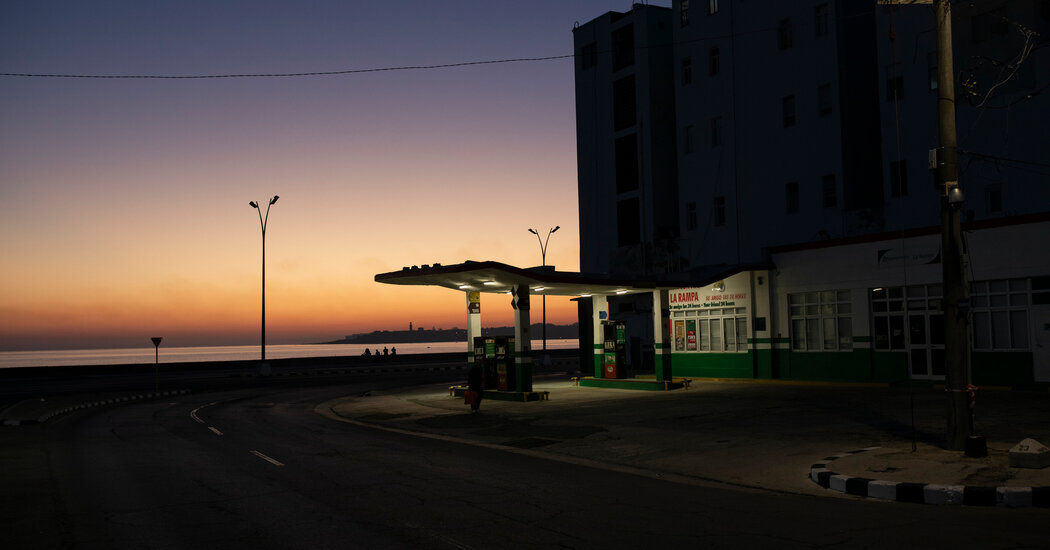
The director of the CIA traveled to Havana on Thursday for meetings with Cuban officials hours after the island nation said it had run out of fuel amid a continuing U.S. blockade. Blackouts lasting more than 20 hours a day have afflicted much of the country, exacerbating shortages of food and medicine.
An estimated two million Cubans have left in the past five years while 89 percent of the population lives in extreme poverty.
" In Havana the blackouts today exceed 20 or 22 hours, the minister said. Residents have been seen cooking with firewood during the outages. The CIA director met the de facto leader widely seen as Cuba's power broker, the head of Cuban intelligence and the minister of the interior during the visit.
The meetings mark the highest-level contact from the current U.S. administration with the island.
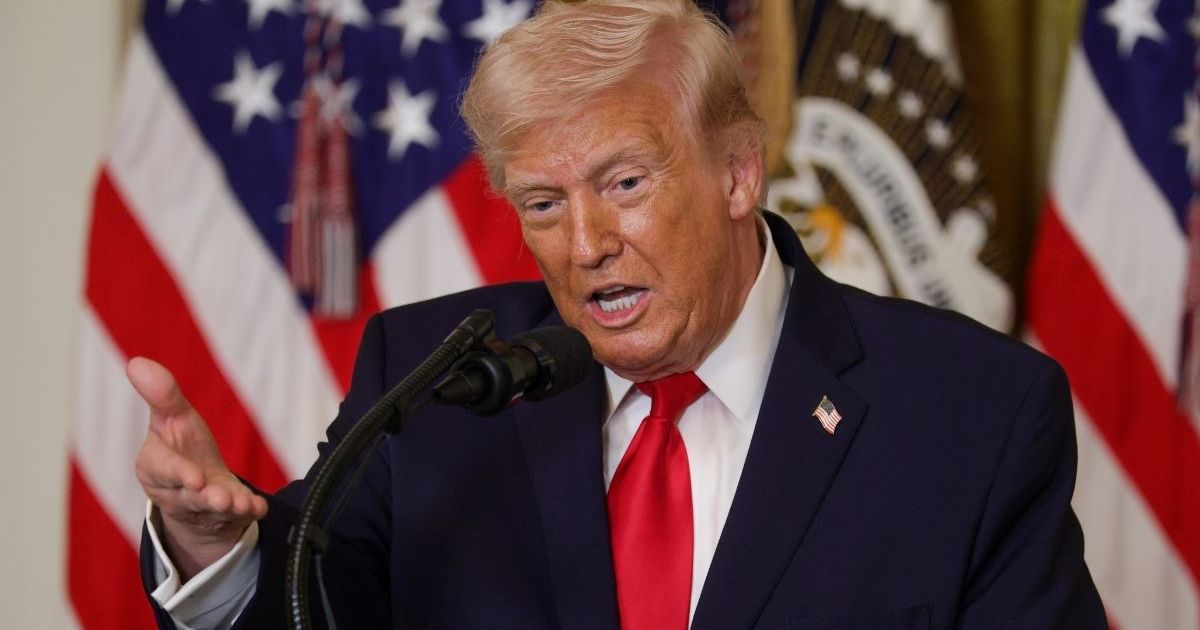
A CIA official said the director was in Havana to personally deliver President Trump's message that the United States is prepared to seriously engage on economic and security issues, but only if Cuba makes fundamental changes. The same official added that discussions covered intelligence cooperation, economic stability and security issues against the backdrop that Cuba can no longer be a safe haven for adversaries in the western hemisphere.
“We have absolutely no fuel oil, absolutely no diesel.”
President Trump said earlier this year he would have the honour of taking Cuba once the war in Iran had ended. "Taking Cuba. I mean, whether I free it, take it. I think I can do anything I want with it," he said.