finance
Citi Projects Strait of Hormuz Closure Through Early 2027 in Oil Shock Scenario
Citi analysts outlined conditions under which the Strait of Hormuz would need to stay closed into early 2027 to replicate the scale of the 1970s oil shock. The projection ties the duration of any closure to the size of the supply disruption.
May 19, 3:08 PM·1m read1 source
DE
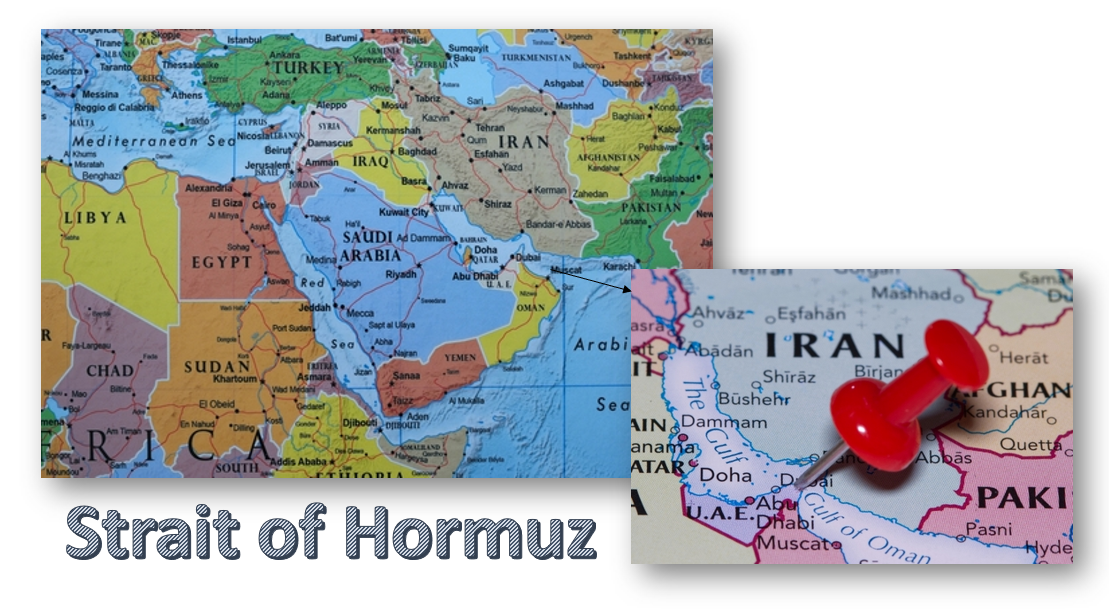 activistpost.com
Audio version
Tap play to generate a narrated version.
Developing·Limited corroboration so far. This page will refresh as more sources emerge.
Citi stated that a repeat of the 1970s oil shock would require the Strait of Hormuz to remain closed into early 2027. The bank tied the length of any closure to the volume of oil supply removed from the market. A disruption matching the scale of the earlier crisis would need the waterway to stay shut for an extended period.
The analysis compared current market conditions with the supply shock of the 1970s. It examined how long a closure would have to last to produce similar price effects.
Any prolonged closure would affect global supply volumes. Citi presented the projection as a scenario rather than a forecast of actual events. The bank did not specify the cause of a potential closure.
Transparency
How sources framed this
DE
DE
Single source — no framing comparison available.
CorroborationModerate · 1 source