world
Climate Change Disrupts Aid Programs in Rural Tanzania
Flooding and unpredictable weather have damaged crops, infrastructure and health services in the Kilosa District of Tanzania. World Vision's Ulaya program, which supports 27,000 people across 13 villages, reports that climate impacts now affect nearly all its work in health, nutrition, agriculture and water access.
 The Independent
Audio version
Tap play to generate a narrated version.
Developing·Limited corroboration so far. This page will refresh as more sources emerge.
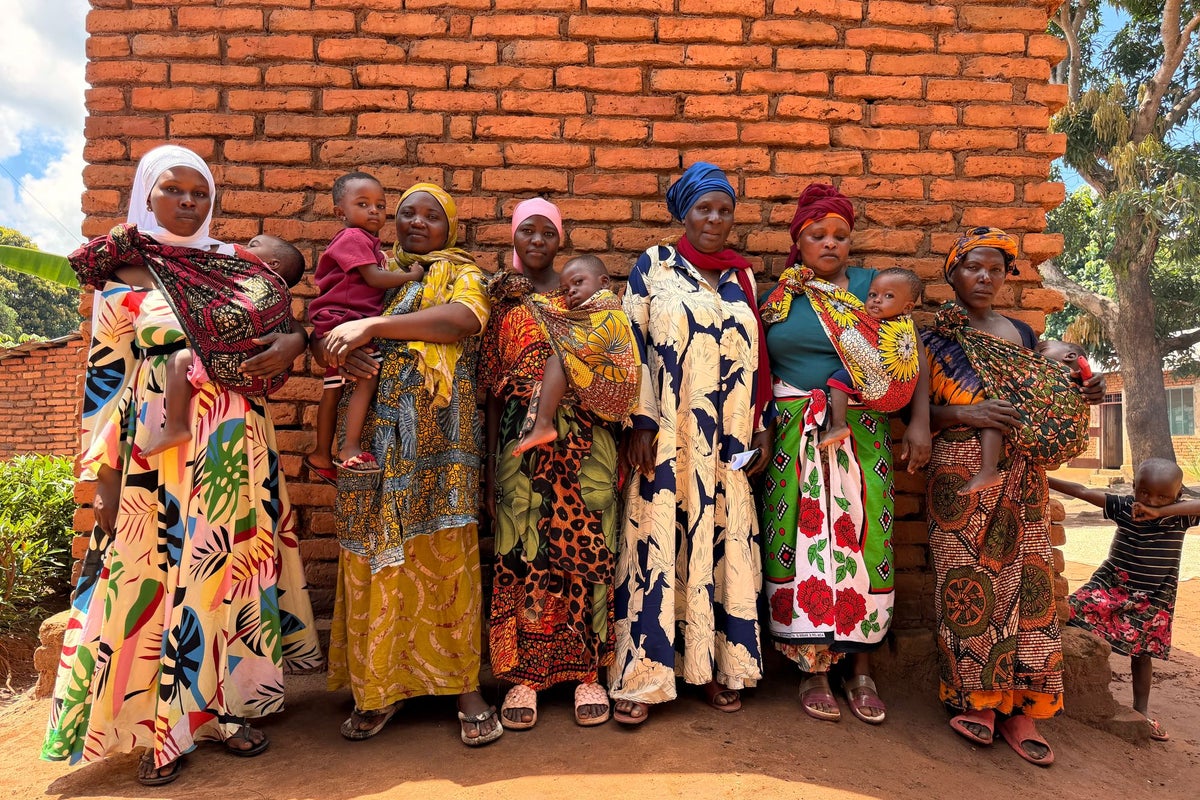
A new clinic with a deep borehole providing clean water has reduced risks for pregnant women in the village of Madudumizi in Tanzania's Kilosa District. Before the facility opened, mothers had to walk several hours to the next village, crossing a river that becomes dangerous during the rainy season.
Some mothers died during these journeys, according to Salma, a pregnant mother with three other children. The clinic was built by the NGO World Vision as part of its 20-year Ulaya development program. The program aims to improve the lives of 27,000 people across 13 villages through interventions in health, nutrition, water access and education.
World Vision spent $48 million in Tanzania last year, targeting three million children nationwide through child sponsorships, donations and government grants. Tanzania recorded 6.2 percent economic growth in the first three months of 2026. The country is building new infrastructure including a rapid rail system and the East African Crude Oil Pipeline.
However, half of its 70 million people live on less than $3 per day, and inequality has widened. Foreign aid from wealthy nations fell 26 percent in 2025 compared with 2024. Tanzania received $3.2 billion in aid in 2024 and is expected to see a larger reduction as donors shift funds toward countries considered more fragile or affected by conflict.
Rural communities in the Ulaya area, located on the floodplain of the Mkondoa River with poor-draining clay soil, have experienced intensified rainfall. Major flooding events once considered once-in-a-generation have occurred in 2020, 2024 and 2026.
Residents report that rainy seasons have become wetter and dry seasons drier, making it difficult to predict when to plant crops. Ninety-eight percent of people in the area are farmers who rely on rain-fed agriculture. "Until around 2019, we had regular rainy and dry seasons, but now, because of climate change, people cannot predict when the rains will come and do not know when to plant their crops," said Elisei Chilala, coordinator for the Ulaya Area Programme.


