Coinbase Engineer Proposes Micropayments for AI Agents at Consensus Miami
Erik Reppel, head of engineering at Coinbase Developer Platform and founder of the x402 payments protocol, told attendees at Consensus Miami 2026 that autonomous AI agents ignore online advertising and could upend the internet's ad-driven economy. He advocated using the HTTP 402 status code and crypto rails to enable direct payments from agents for content and services.
 CoinDesk
Erik Reppel, head of engineering at Coinbase Developer Platform, said AI agents could force a fundamental shift in the internet's advertising-based business model as they bypass ads entirely. Speaking onstage at Consensus Miami 2026 on May 6, 2026, Reppel argued that the internet was originally built around humans interacting with websites, not software interacting with software.
“The internet was designed for humans to use.
We now live in a world where both humans and computers operate and computers operate computers,” he said. Today’s web economy depends heavily on advertising revenue generated when humans visit websites and view ads, Reppel told the audience. But AI agents, he said, simply do not engage with that system.
“Agents don’t see those ads. Reppel offered a straightforward alternative for monetizing agent traffic. “If a human visits a website, show them an ad. If an agent visits a website, charge them five cents,” he said.
He framed the x402 payments protocol, which he founded, as key infrastructure for this transition. x402 is an open payments protocol built around the long-unused HTTP 402 “Payment Required” status code. The protocol is designed to let AI agents make automatic payments for APIs, content and digital services using crypto rails.
Reppel, who created the x402 protocol, said the rise of autonomous AI systems—what he called the “agentic economy”—could create a massive new market for internet-native payments. He cited estimates projecting the agentic economy sector could grow to between $3 trillion and $5 trillion within four years. “Agents really are the browser of the future,” Reppel said.
The comments, delivered at the conference on May 6, 2026, reflect broader efforts in the crypto industry to position stablecoins and blockchain-based payments as foundational infrastructure for AI-driven commerce. CoinDesk reported that Reppel’s remarks come as the industry seeks to build rails for machine-to-machine transactions that advertising cannot serve. m.
M.
Transparency
Reported by a single outlet. This score reflects source tier and factual specificity — corroboration is limited with one source.
Story details
Related Stories
 abcnews.go.com
Trump Signs Executive Order Prioritizing AI for Cybersecurity Innovation
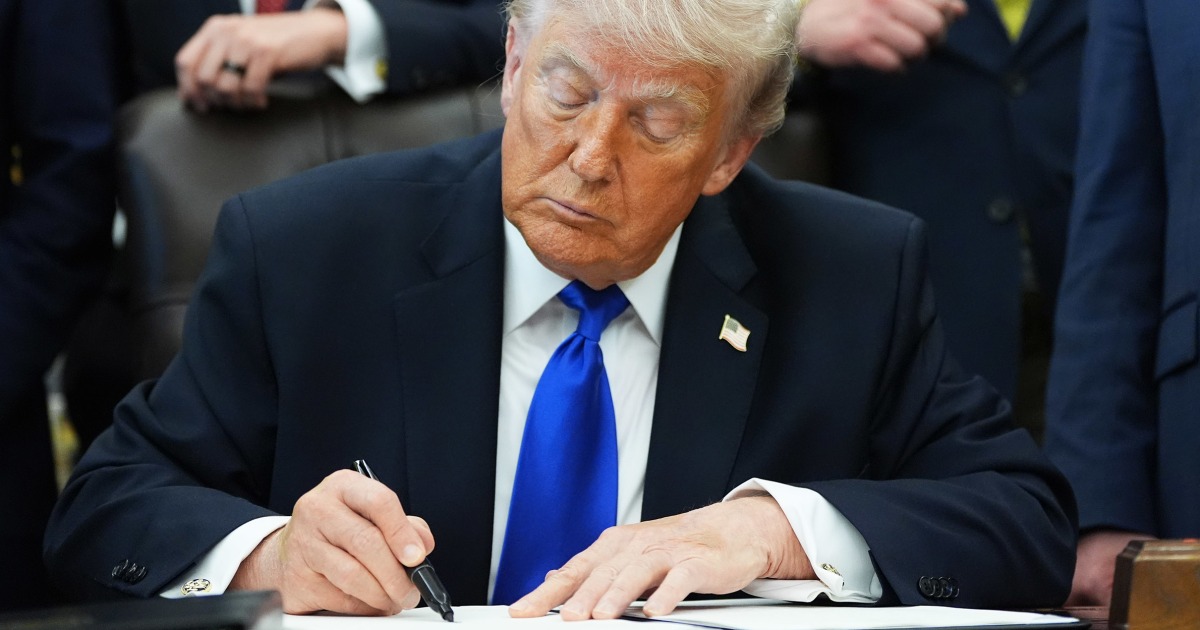
President Donald J. Trump signed an executive order on June 2 directing federal agencies to accelerate artificial intelligence development for protecting critical infrastructure. The order reverses earlier emphasis on slower deployment and risk reviews.
 nbcnews.com
Trump Signs AI Executive Order Promoting Innovation While Requiring Security Reviews
The order directs federal agencies to promote advanced AI development while addressing security concerns and reduces government review compared with an earlier draft.
 The Verge
Microsoft Launches Scout, an Always-On AI Agent Built on OpenClaw, at Build Conference
Microsoft introduced Scout, an always-on AI assistant built on the OpenClaw framework, at its annual Build developer conference. The agent integrates with Microsoft 365 tools and requires a GitHub Copilot subscription.