Colorado Senate Committee Advances Bill to Exempt Critical Infrastructure from Right-to-Repair Law
The Colorado Senate Business, Labor, and Technology Committee unanimously approved Senate Bill 26-090 on Friday, which seeks to exempt information technology equipment for critical infrastructure from the state's Consumer Right to Repair Digital Electronic Equipment Act.
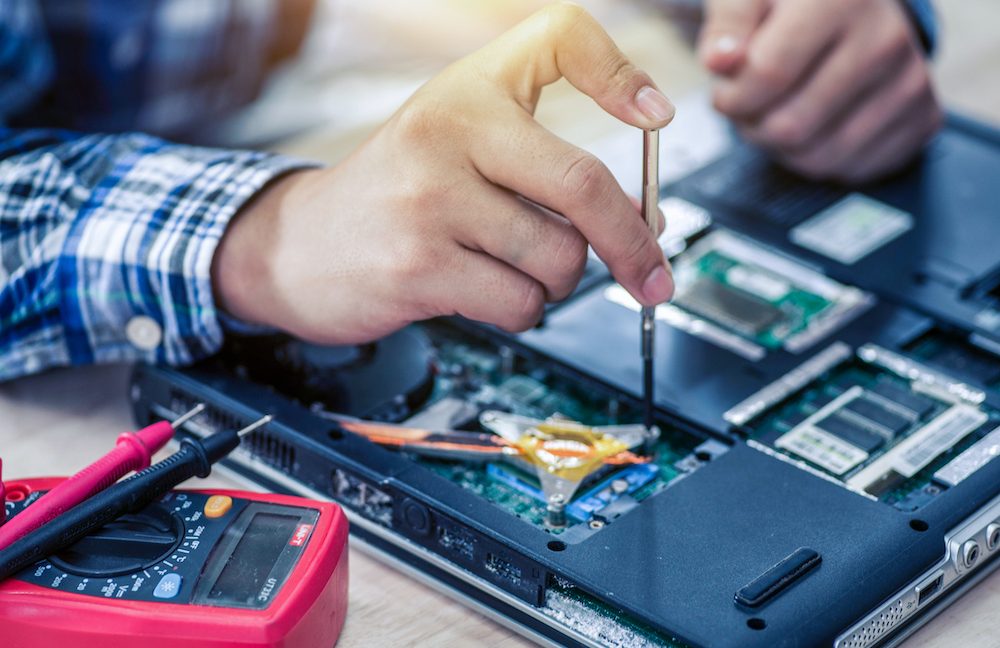
Ars TechnicaThe Colorado Senate Business, Labor, and Technology Committee voted unanimously on Friday to advance Senate Bill 26-090, titled 'Exempt Critical Infrastructure from Right to Repair,' to the full Senate and House for consideration. The bill proposes modifications to the Consumer Right to Repair Digital Electronic Equipment Act, enacted in 2024 and set to take effect in January 2026.
That act mandates that manufacturers of digital electronic equipment provide consumers with access to tools, parts, instructions, and software needed for repairs.
SB26-090 would exempt information technology equipment intended for use in critical infrastructure from these requirements. Critical infrastructure includes sectors such as energy, transportation, and communications, where such equipment like routers, servers, and computers is commonly deployed. The bill's supporters include tech manufacturers Cisco and IBM, as indicated in lobbying disclosures.
Colorado has enacted right-to-repair laws since 2022, covering wheelchairs, agricultural equipment, and consumer electronics. These laws aim to enable users to perform their own repairs or upgrades by granting access to necessary resources. Danny Katz, executive director of CoPIRG, the Colorado branch of the Public Interest Research Group, stated that Colorado has the broadest repair rights in the country.
“Colorado has the broadest repair rights in the country," says Danny Katz, executive director of CoPIRG. "We should be proud of leading the way.”
Right-to-repair initiatives have expanded nationally, with bills introduced in all 50 U.S. states and enacted in eight. Manufacturers' positions on these laws vary; some have increased product repairability, while others have opposed expansions.
Cisco and IBM back SB26-090, arguing that providing repair access to critical infrastructure equipment could introduce cybersecurity vulnerabilities. They contend that such access might allow unauthorized parties to exploit tools and systems for harmful purposes.
This cybersecurity concern is a recurring argument from manufacturers in right-to-repair discussions, according to Ars Technica reporting.
The bill's passage through committee highlights ongoing tensions between consumer access to repairs and industry concerns over security in essential systems. If approved by the full legislature, the exemption would limit the scope of Colorado's 2024 act for specified equipment.
Stakeholders, including consumer advocates and tech firms, are expected to engage further as the bill proceeds. The outcome could influence similar debates in other states with right-to-repair laws.
Key Facts
Story Timeline
4 events- Friday (recent hearing)
Colorado Senate committee unanimously advances SB26-090 to full legislature.
1 sourceArs Technica - January 2026
Consumer Right to Repair Digital Electronic Equipment Act takes effect.
1 sourceArs Technica - 2024
Colorado enacts Consumer Right to Repair Digital Electronic Equipment Act.
1 sourceArs Technica - Since 2022
Colorado passes right-to-repair bills for wheelchairs, farm equipment, and electronics.
1 sourceArs Technica
Potential Impact
- 01
Cybersecurity standards for IT equipment could influence future repair access rules.
- 02
Critical infrastructure equipment repairs may remain controlled by manufacturers if bill passes.
- 03
Similar exemptions might be proposed in other states' right-to-repair laws.
- 04
Consumer advocates could intensify opposition in Senate and House debates.
Transparency Panel
Related Stories
forbes.comNGA Director Announces New AI Framework and Launches Rapid Capabilities Office
Lt. Gen. Michelle Bredenkamp outlined the agency's blueprint for becoming an AI-first organization in her first major speech since taking charge in November 2025. The National Geospatial-Intelligence Agency is finalizing the framework to align with the Department of Defense AI st…
Substrate placeholder — needs reviewU.S. Sanctions 10 Individuals and Companies in China, Hong Kong, Belarus and UAE for Aiding Iran’s Missile and Drone Programs
The Treasury Department announced sanctions Friday targeting 10 more individuals and companies enabling Iran's military supply chain. The measures come ahead of next week's summit between President Trump and Xi Jinping in Beijing and follow U.S. strikes on two Iranian oil tankers…
Substrate placeholder — needs reviewApple and Intel Reach Preliminary Chip Manufacturing Agreement
Intel shares surged more than 15 percent after The Wall Street Journal reported the agreement on May 8, 2026. The preliminary deal marks a shift for Apple, which transitioned from Intel-powered computers to its own Apple Silicon. Intel appointed Lip-Bu Tan as CEO in March 2025 an…