Commerce Secretary Testifies on U.S. AI Chip Export Restrictions to China Amid Trade Talks
Commerce Secretary Howard Lutnick testified before the Senate Appropriations Committee, stating the U.S. is not selling its most advanced AI chips to China. He addressed concerns from senators about export restrictions and ongoing trade negotiations. The testimony aligns with the Trump administration's policies amid a planned meeting with Chinese President Xi Jinping.

Substrate placeholder — needs review · Wikimedia Commons (CC BY-SA 3.0)Commerce Secretary Howard Lutnick testified before the Senate Appropriations Committee on Wednesday about President Trump's fiscal year 2027 budget request, assuring lawmakers that the United States is not sending its best chips to China in line with the Trump administration’s export restrictions on advanced artificial intelligence chips.
“I want to be crystal clear: We are not selling our best chips to China under any circumstance,” Lutnick said to the Senate Appropriations Committee.
Lutnick assured the congressional panel that the U.S. is not selling Nvidia’s Blackwell chips and that the Chinese government or state-affiliated companies are not buying any chips from that brand. A senator pressed the commerce secretary, saying she had unspecified intelligence that said the U.S. was exporting top-quality chips to China.
“They have not bought any as of today,” Lutnick responded. In January, the Trump administration approved the export of Nvidia’s H200 chips to China on certain conditions. U.S.-based Nvidia has not sold any H200 chips to Chinese state-affiliated companies.
“My understanding is their cloud companies want to buy these chips,” Lutnick told Sen. Chris Coons (D-DE). “The Chinese central government has not let them, as of yet, buy the chips because they’re trying to keep their investment focused on their own domestic industry,” he added to Coons.
Lutnick noted that Nvidia’s H200 chips are not as advanced as those in the Blackwell brand. “We’re not giving them the absolute best, the most cutting edge, but we’re giving them incredibly powerful chips that they don’t otherwise have access to,” Coons said in summarizing Lutnick’s response.
Lutnick described the U.S.-China relationship as a delicate balance that President Donald Trump is committed to maintaining with Chinese President Xi Jinping amid ongoing trade negotiations. In early November, the affiliates rule was delayed for one year as part of a trade truce with China.
The regulation would have restricted U.S. shipments of advanced AI chips to Chinese companies. Lutnick said Treasury Secretary Scott Bessent and U.S. Trade Representative Ambassador Jamieson Greer are part of the Trump-led trade team with China, adding he focuses “on the rest of the world.”
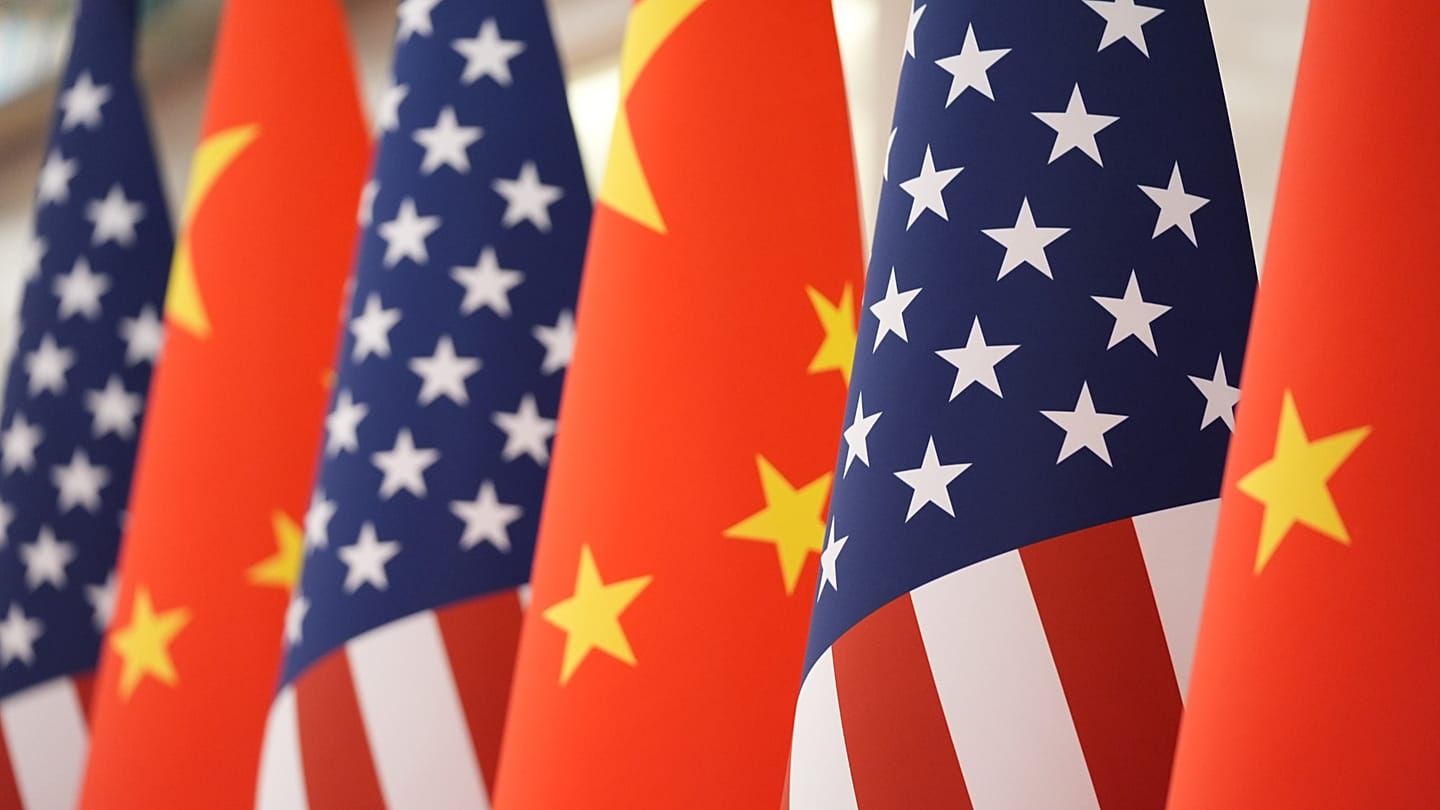
Trump is set to meet Xi in Beijing next month to further the trade negotiations and discuss other issues, including the U.S.-Iran war. The state visit, scheduled for May 14 and 15, will mark Trump’s return to China since his first term. Trump last met Xi in South Korea in late October.
The Trump administration was open to reinstating the affiliates rule depending on how the trade talks develop.
“I agree that the affiliates rule is a smart thing for the United States of America to consider, but it is part of the balance of that full trade agreement,” Lutnick answered following a question from Sen. Chris Van Hollen (D-MD). Washington Examiner reported these details from the hearing, including Lutnick's assurances on chip exports and the context of delayed regulations amid trade talks.
Key Facts
Story Timeline
5 events- 2026-04-19
Commerce Secretary Howard Lutnick testified before the Senate Appropriations Committee on Wednesday about President Trump's fiscal year 2027 budget request.
1 sourceWashington Examiner - 2026-01
The Trump administration approved the export of Nvidia’s H200 chips to China on certain conditions.
1 sourceWashington Examiner - 2025-11
The affiliates rule was delayed for one year as part of a trade truce with China.
1 sourceWashington Examiner - 2025-10
Trump last met Xi in South Korea in late October.
1 sourceWashington Examiner - 2026-05-14
President Trump is set to meet Xi Jinping in Beijing on May 14 and 15 to further trade negotiations and discuss other issues, including the U.S.-Iran war.
1 sourceWashington Examiner
Potential Impact
- 01
Continued delay in Chinese access to advanced U.S. AI technology
- 02
Influence on ongoing U.S.-China trade negotiations ahead of May meeting
- 03
Potential strengthening of U.S. export restrictions if trade talks falter
- 04
Possible boost to domestic Chinese AI industry investment
- 05
Congressional scrutiny on chip export policies may increase
Transparency Panel
Related Stories
North Korea Updates Constitution, Omits Korean Unification References Amid International Trade Fair
North Korea has revised its constitution to eliminate references to unification with South Korea. The country also opened the Pyongyang Spring International Trade Fair on Monday, showcasing domestic products like the Jindallae smartphone. More than 290 enterprises from several na…
channelnewsasia.comU.S. Pauses One-Day Ship Guidance in Strait of Hormuz as Iran Talks Advance
President Trump announced a pause in the one-day-old effort to guide ships out of the Strait of Hormuz, citing progress toward an agreement with Iran. Secretary of State Marco Rubio declared the war with Iran concluded after a month-old cease-fire. The U.S. blockade remains in pl…
Trump Signs Memorandum to Revive Presidential Physical Fitness Award at White House Event
President Donald Trump signed a memorandum on May 5, 2026, restoring the Presidential Physical Fitness Award and reintroducing a competitive fitness test in U.S. schools. The event featured student athletes on the White House South Lawn, where Trump demonstrated his signature dan…