world
Company Hatches Chick from 3D-Printed Egg in Giant Moa Project
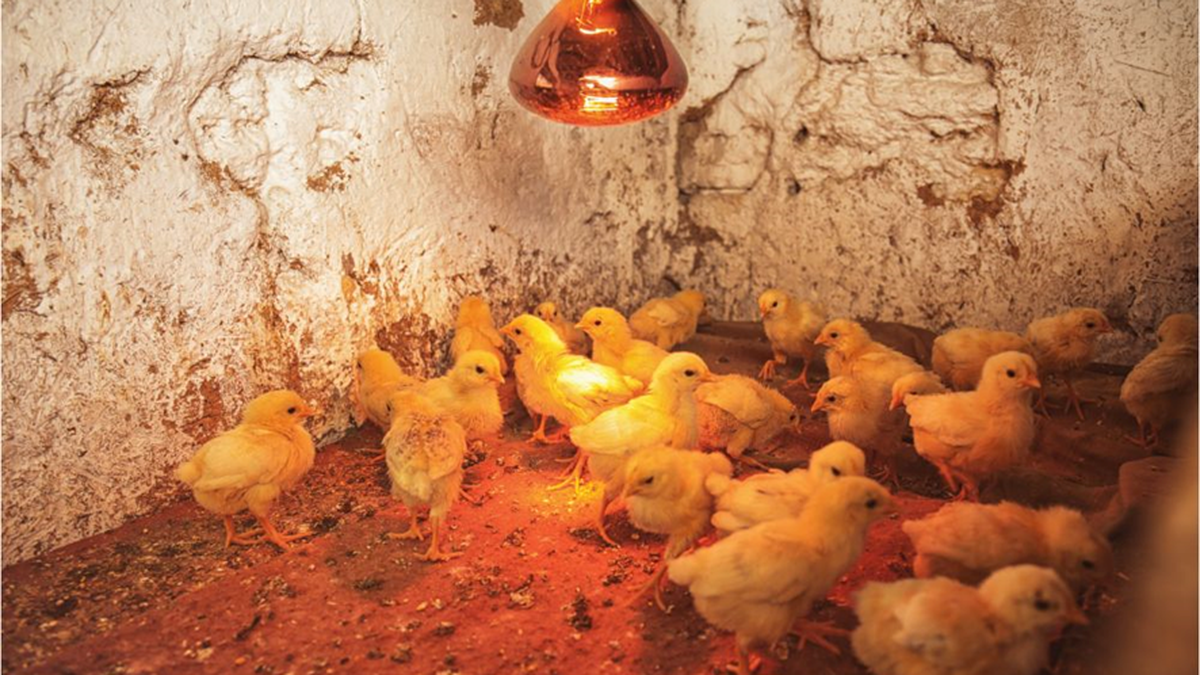
Colossal Biosciences announced the hatching of baby chickens from a 3D-printed lattice structure designed to replicate the eggshell of the extinct giant moa. The Texas-based company said the development is a milestone for its de-extinction efforts.
May 19, 11:58 AM·2m read1 source
 thehindu.com
Audio version
Tap play to generate a narrated version.
Colossal Biosciences announced that baby chickens hatched from a 3D-printed lattice structure engineered to replicate the function of a natural eggshell of the extinct giant moa bird. The South Island giant moa, which weighed around 230kg, became extinct between 1380 and 1445 following Polynesian settlement.
The moa's eggs were roughly 80 times larger than a chicken's and approximately eight times the volume of an emu egg, making them too large for any living bird to serve as a surrogate.
Previous attempts at creating artificial eggs had failed because scientists could not achieve proper airflow through the shell. Colossal's solution involved designing a 3D-printed lattice structure combined with a bioengineered silicone-based membrane that replicates the oxygen transfer capacity found in natural eggshells.
A transparent window in the capsule allowed researchers to observe embryonic development in real time, with calcium supplements added to replace what would normally be absorbed from a natural shell. "It's a major milestone for Colossal and a foundational technology for our de-extinction toolkit," said Ben Lamm.
The announcement has drawn scepticism from independent researchers, partly because the findings have not been published in a peer-reviewed scientific journal. Dr Louise Johnson, an evolutionary genetics expert at University of Reading, said the news "sounds impressive" but, until there's a peer-reviewed paper, she "might as well give expert commentary on a YouTube ad".
Vincent Lynch, an evolutionary biologist at the University at Buffalo, argued the technology does not constitute a true artificial egg since fertilised eggs were poured into the system along with nutrients. "That's not an artificial egg because you've poured in all the other parts that make it an egg.
It's an artificial eggshell," Mr Lynch stated. He added that any resulting bird would simply be genetically modified rather than an actual moa. Nicola Hemmings, who studies bird reproductive biology at the University of Sheffield, suggested such de-extinction efforts might prove more valuable for currently endangered species, where scientists could preserve genetic material from living populations.