Substrate
world

Conflict with Iran Disrupts Oil Flow from Persian Gulf

A conflict involving Iran is blocking significant oil shipments from the Persian Gulf. Oil prices tracked by many sources do not reflect the full extent of this disruption. The situation affects global energy supplies and related markets.

The New York Times
1 source·Apr 10, 1:39 PM(49 days ago)·1m read
|
Conflict with Iran Disrupts Oil Flow from Persian GulfSubstrate placeholder — needs review
Audio version
Tap play to generate a narrated version.

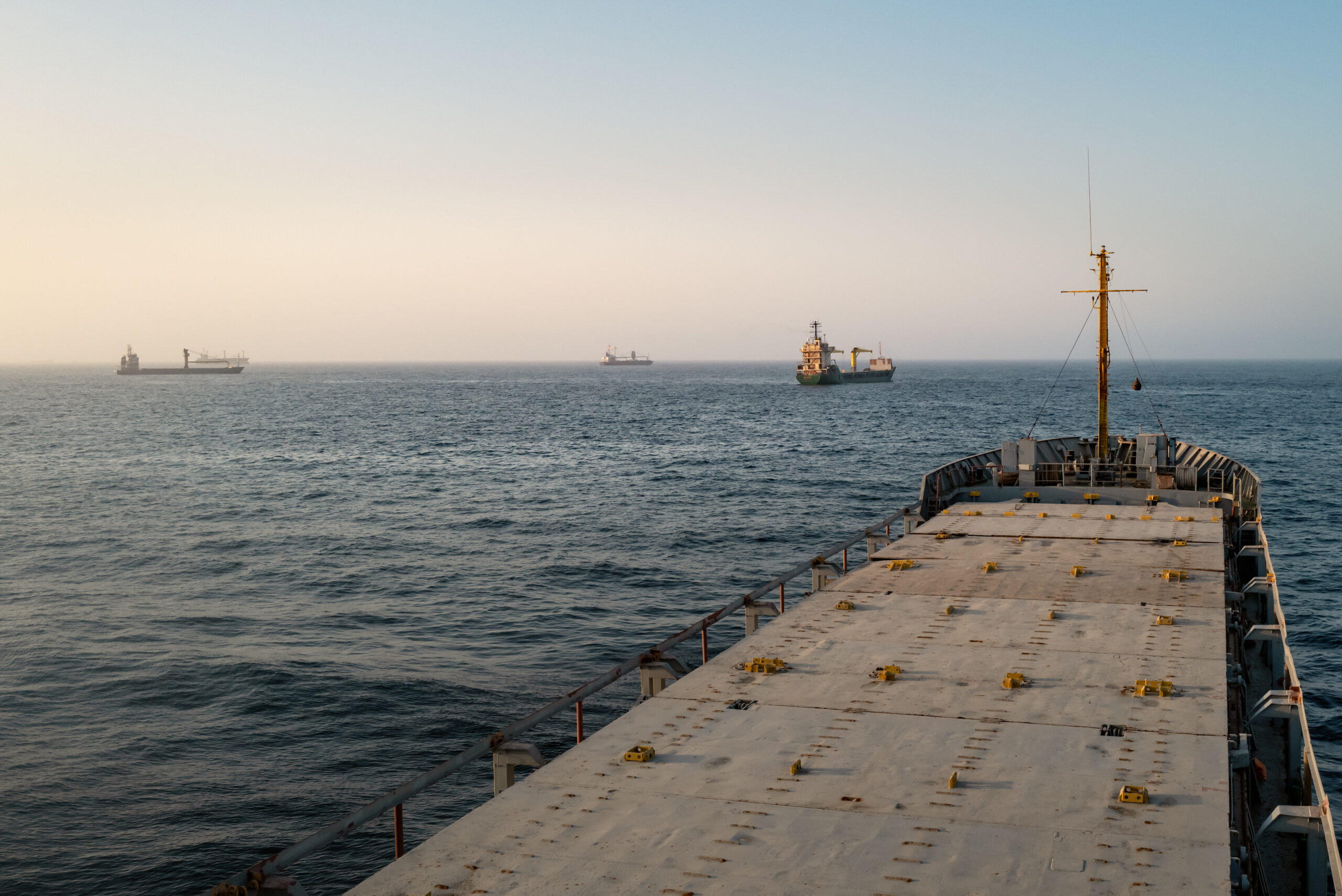
The New York Times reported on an Iran war driving a deeper oil shock than prices reveal. This disruption impacts the flow of oil through a key global shipping route in the Persian Gulf. The scale of the issue exceeds what is indicated by commonly monitored oil prices.

The Persian Gulf serves as a major conduit for international oil trade, with millions of barrels passing through daily under normal conditions. Current hostilities have halted substantial portions of these exports.

prices have risen in response to the conflict.

However, these price movements do not fully account for the reduced supply availability. Analysts note that alternative routes and stockpiles are mitigating some immediate effects on global markets. The disruption poses risks to energy-dependent economies worldwide.

Countries reliant on Persian Gulf imports, including those in Europe and Asia, face potential shortages. Shipping companies have rerouted vessels, increasing transit times and costs.

The conflict escalates tensions in the Middle East, a region central to global energy production.

Future oil flows depend on the resolution of the hostilities. Governments and energy firms are monitoring the situation closely.

Emergency reserves may be tapped if disruptions persist. The outcome could influence inflation rates and industrial output in affected regions.

Key Facts

Persian Gulf oil flow
prevented by Iran conflict
Oil prices
do not capture disruption scale
Global energy supply
affected by halted shipments
Middle East tensions
escalated by ongoing war

Story Timeline

2 events
  1. Ongoing

    War with Iran prevents large oil flows from Persian Gulf.

    1 sourceThe New York Times
  2. Recent

    Oil prices rise but fail to reflect full disruption extent.

    1 sourceThe New York Times

Potential Impact

  1. 01

    Global oil prices may continue to rise due to reduced supply.

  2. 02

    Energy-importing countries could face higher fuel costs.

  3. 03

    Shipping routes may shift, increasing logistics expenses.

  4. 04

    International calls for de-escalation may intensify.

Transparency Panel

Sources cross-referenced1
Framing risk28/100 (low)
Confidence score70%
Synthesized bySubstrate AI
Word count211 words
PublishedApr 10, 2026, 1:39 PM
Bias signals removed3 across 2 outlets
Signal Breakdown
Framing 1Amplifying 1Editorializing 1

Related Stories

WHO Chief Visits DRC as Ebola Death Rate Reaches 30-50%The Guardian
world52 min ago

WHO Chief Visits DRC as Ebola Death Rate Reaches 30-50%

World Health Organization director-general Tedros Adhanom Ghebreyesus arrived in the Democratic Republic of the Congo to support containment of a new Ebola outbreak. The agency revised the death rate to 30-50% based on confirmed cases and recorded 10 confirmed and 223 suspected d…

SK
The Guardian
2 sources
Greek National Charged in UK With Aiding Iran-Linked Intelligence Servicewesternjournal.com
world52 min ago

Greek National Charged in UK With Aiding Iran-Linked Intelligence Service

A 46-year-old Greek man living in Germany was charged under the UK National Security Act with assisting an intelligence service believed to be Iran by targeting a journalist at Iran International.

Reuters
BBC News
2 sources
Bilt Rewards reports $1 billion revenue target for 2026physicianonfire.com
world52 min agoDeveloping

Bilt Rewards reports $1 billion revenue target for 2026

Bilt Rewards CEO Ankur Jain said the company's flagship credit card accounts for less than 11 percent of revenue. The firm now processes more than $100 billion in annual housing spend across one in four U.S. apartment buildings.

FO
1 source