Congress Passes Disaster Related Extension of Deadlines Act
President Trump signed Public Law 119-64, enacting H.R. something that extends multiple tax and administrative deadlines for taxpayers and businesses in presidentially declared disaster areas. The measure shifts filing and payment dates that would otherwise fall in coming months, giving affected parties additional time before penalties apply.
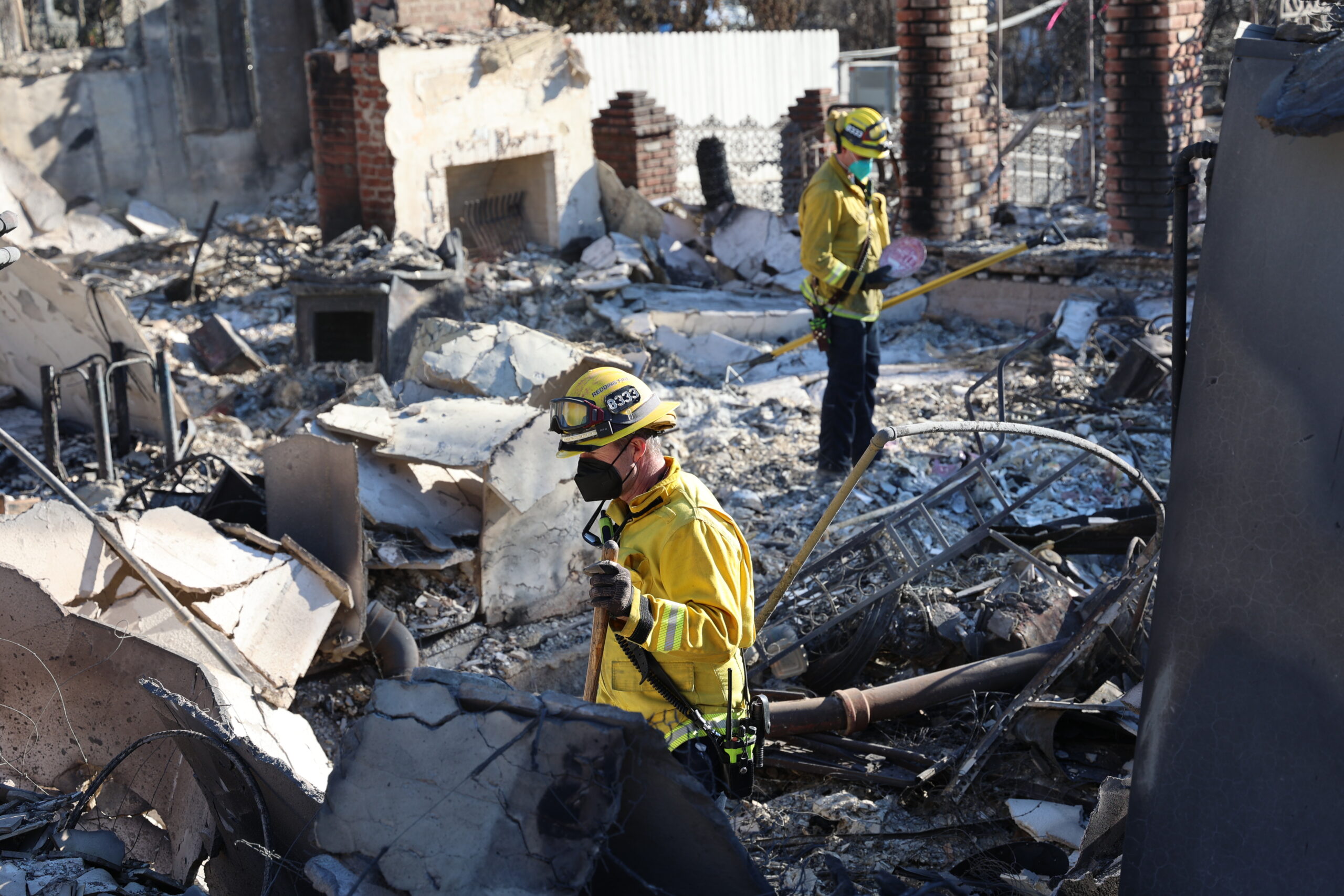 claimsjournal.com
WASHINGTON — President Trump signed Public Law 119-64 on June 10, 2026, enacting the Disaster Related Extension of Deadlines Act.
The law affects taxpayers, businesses, and tax-exempt organizations located in areas designated by the president as federal disaster zones. It covers individuals, corporations, partnerships, estates, and trusts that the IRS has already granted disaster relief to under existing authority.
The statute reaches an estimated several million households and entities in any given year when multiple major disasters occur, such as those hit by hurricanes, wildfires, or floods.
The statute changes the prior state in which statutory deadlines for filing returns, making payments, and fulfilling other tax obligations expired on their original statutory dates even after a disaster declaration. The new law automatically extends those deadlines for affected parties in declared disaster areas.
The extensions take effect immediately upon enactment for any qualifying deadlines falling after June 10, 2026.
Downstream, the IRS must now update its disaster-relief announcements to reflect the new statutory extensions rather than relying solely on administrative relief. Taxpayers who receive the extended deadlines will not face failure-to-file or failure-to-pay penalties during the additional window.
State revenue departments that conform to federal filing deadlines will need to adjust their own enforcement calendars. preparers, software vendors, and payroll providers must update systems and client communications before the next quarterly estimated tax and payroll-tax deadlines.
This is the latest in a series of congressional extensions of disaster-related tax relief. Similar targeted extensions have been included in prior supplemental appropriations packages following major events such as Hurricane Katrina in 2005 and the wildfires in California in 2017-2018.

