science
Conservation Group Seeks $10 Million to Protect Big Bear Valley Bald Eagle Habitat from Development
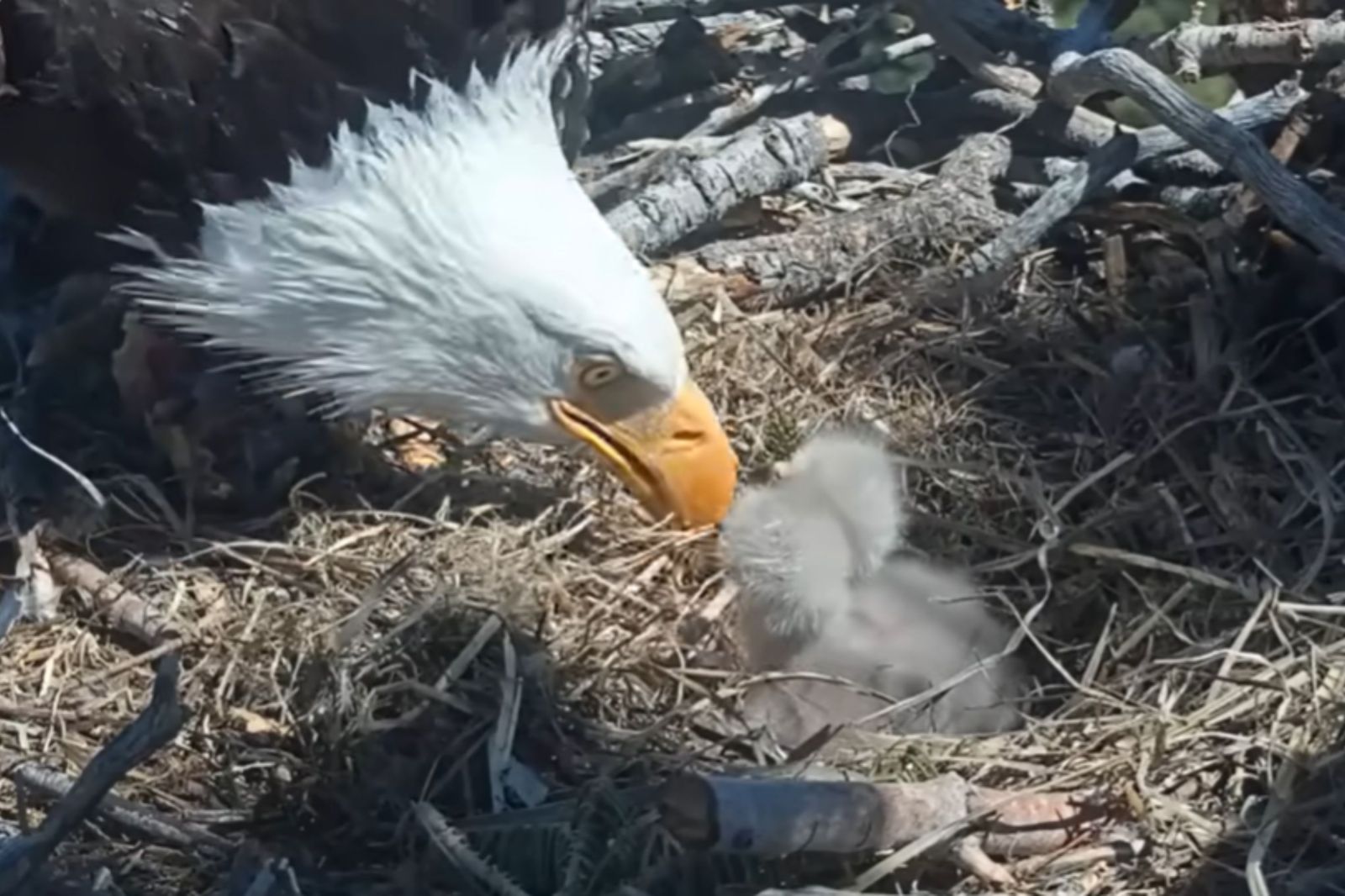
A nonprofit organization in California's Big Bear Valley is raising $10 million to purchase land and preserve habitat for bald eagles Jackie and Shadow and their chicks. The effort aims to prevent a proposed housing development on 63 acres known as Moon Camp. The eagles' nest is monitored via a live camera stream that has attracted global viewers.
 Newsweek
Audio version
Tap play to generate a narrated version.
A nonprofit organization is seeking to raise $10 million to protect bald eagle habitat amid a proposed development on 63 acres known as Moon Camp.
The organization has partnered with a land trust to purchase the land, with a deadline of July 31. If the purchase does not occur, the developer plans to build housing and marina slips on the site. The conservation effort aims to maintain the natural habitat for wildlife in the area.
The live camera stream is being used to raise awareness for the fundraising goal. Success of the purchase would preserve the area for species including the bald eagles, while failure could lead to habitat fragmentation affecting local wildlife populations.
in the Region Bald eagle monitoring in Big Bear Valley began more than 30 years ago with winter counts conducted by the forest service, averaging 25 to 30 birds.
Recent counts have declined. In 2009, a tagged eagle from Catalina Island stayed in the valley through summer, indicating potential year-round residency. The 2011-2012 nesting season marked the first documented bald eagle chick hatching in the valley, which was Jackie.
Jackie later paired with Shadow, establishing the current nest site. This history reflects efforts to support the species' recovery in Southern California, where bald eagles were once scarce due to factors such as habitat loss and contamination. The ongoing nest monitoring provides data on eagle behavior and breeding success, contributing to broader conservation knowledge.
Stakeholders include local residents, environmental groups, and potential developers. Future developments may involve continued fundraising, legal reviews of the land deal, and monitoring of eagle population trends.