Substrate
world

Conservationists Reintroduce Mountain Bongos to Kenyan Forests

A Kenyan conservancy has imported four male mountain bongos from Europe to breed with an existing captive population as part of an effort to increase the numbers of the critically endangered antelope. Fewer than 100 mountain bongos remain in the wild. The animals were last seen in Mount Kenya forest in 1994 before reintroductions began in 2022.

Abc News
winnipegfreepress.com
2 sources·May 9, 2:21 PM(20 days ago)·2m read
Conservationists Reintroduce Mountain Bongos to Kenyan ForestsAbc News
Audio version
Tap play to generate a narrated version.
Developing·Limited corroboration so far. This page will refresh as more sources emerge.

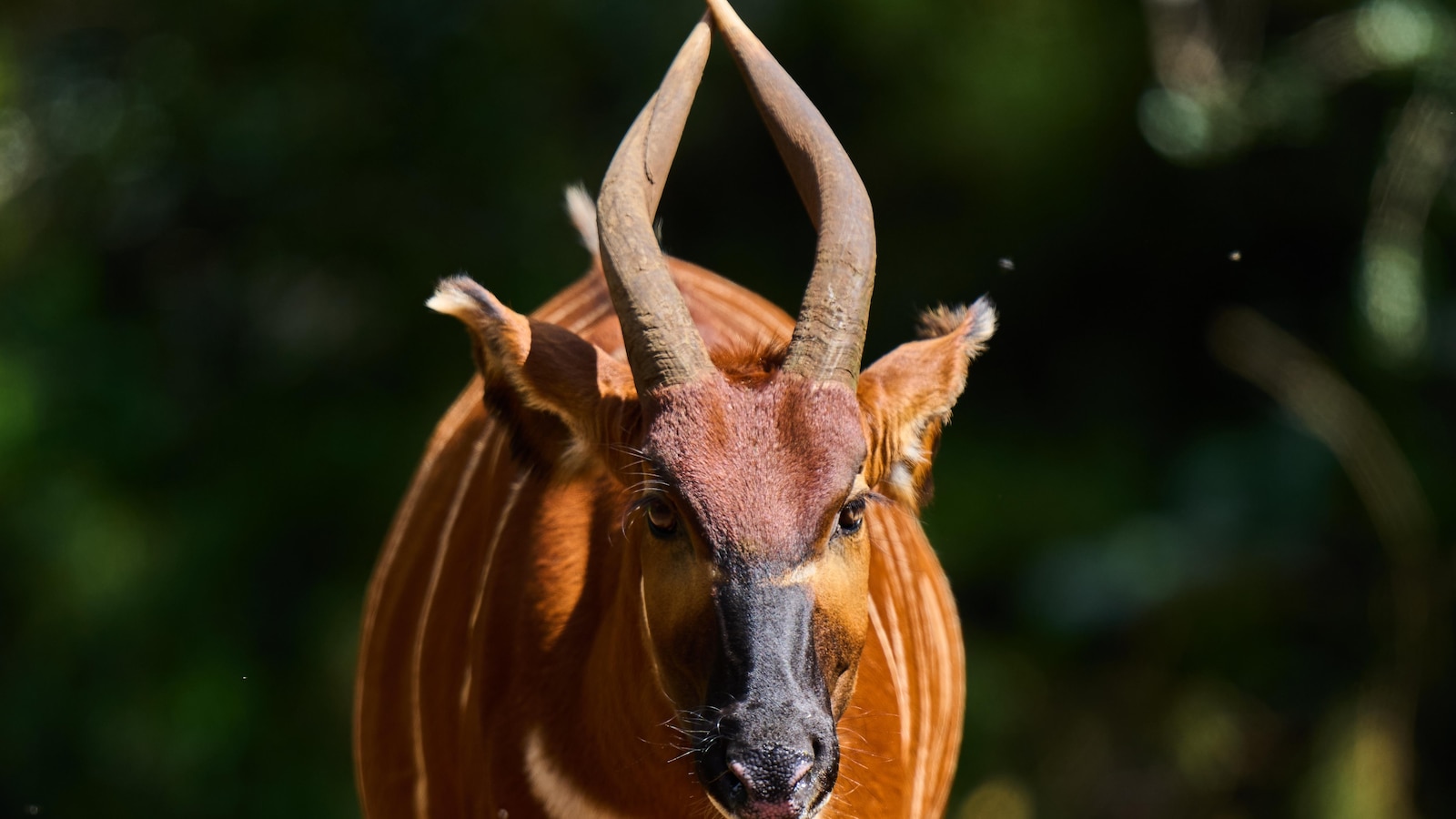
Conservationists in Kenya are reintroducing mountain bongos into the wild in an effort to rebuild the population of the critically endangered antelope indigenous to the country's forests. The mountain bongo, known for its brown skin and distinct white stripes, has become difficult to spot in dense vegetation.

With fewer than 100 individuals left in the wild, the Mount Kenya Wildlife Conservancy is breeding the animals and gradually releasing them, with a goal of reaching 750 wild bongos by 2050.

The conservancy, located on the slopes of Mount Kenya near Nanyuki, works to restore the survival instincts of zoo-bred bongos. The animals are taught to feed without human assistance, evade predators and develop immunity to diseases before release. Last week the conservancy imported four male bongos from the European Association of Zoos and Aquaria through the Czech Republic.

These animals are currently quarantined and under observation. They will interbreed with descendants of 18 bongos that arrived from the United States in 2004 to increase genetic diversity. The head of the conservancy said inbreeding among animals with similar genes is avoided while rebuilding the population.

"We want bongos that are not only strong in body, but strong in the genes they pass to the next generation," he said. Mountain bongos are native to Kenya’s Mount Kenya, Aberdare, Eburu and Mau forests. These forests help protect water supplies for the country.

The last wild bongo in Mount Kenya forest was spotted in 1994. The conservancy released the first 10 bongos back into the wild in 2022. The animals now roam among orange climber vines and shrubs that form part of their preferred diet.


The population declined after disease outbreaks killed thousands in the 1960s. In the 1980s, conservationist Don Hunt exported 36 bongos to the United States to be bred in captivity as an insurance population. When the Mount Kenya Wildlife Conservancy opened in 2004, 18 descendants of those animals were brought in and have since produced a captive population of 102 bongos.

One employee who grew up in the Mount Kenya region said her grandmother had described bongos as her community’s favorite bush meat. She first saw the animals only after beginning work as a gardener at the conservancy. "I never knew the bongos were this beautiful, and I think my community loved them not just for the meat but because of their beauty," she said.

The bongos are shy and able to camouflage despite their stripes, traits that aid survival. The bongo program assistant at the conservancy said the animals are monitored for months before release to ensure the shyest individuals are selected, as more docile ones are vulnerable to predators.

He described the birth of the fourth wild calf last year as a key sign that the population is beginning to grow in its native habitat.

Bongos have a nine-month gestation period, which has slowed population growth. They are also sensitive to certain plants and weather conditions. Conservancy staff supplement the animals’ shrub diet with special pellets while thousands of annual visitors observe the antelopes’ spiraled horns.

Key Facts

Fewer than 100
mountain bongos remain in wild
750 by 2050
target for wild bongo population
Four males
imported last week from Europe
102 bongos
current captive population at conservancy
1994
last wild sighting before reintroductions

Story Timeline

5 events
  1. 2026

    Four male mountain bongos imported from Europe to Mount Kenya Wildlife Conservancy.

    1 sourceAbc News
  2. 2022

    Conservancy released first 10 bongos into the wild.

    1 sourceAbc News
  3. 2004

    18 bongos imported from U.S. descendants; conservancy opened.

    1 sourceAbc News
  4. 1994

    Last wild bongo spotted in Mount Kenya forest.

    1 sourceAbc News
  5. 1980s

    36 bongos exported to U.S. for captive breeding.

    1 sourceAbc News

Potential Impact

  1. 01

    Increased genetic diversity from new European bongos may improve long-term survival rates.

  2. 02

    Successful wild births could lead to natural population growth in Kenyan forests.

  3. 03

    Reintroduction program may strengthen protection of Mount Kenya and other water catchment forests.

  4. 04

    Annual tourist visits to the conservancy could rise as bongos become more visible.

Transparency Panel

Sources cross-referenced2
Confidence score65%
Synthesized bySubstrate AI
Word count507 words
PublishedMay 9, 2026, 2:21 PM
Bias signals removed4 across 2 outlets
Signal Breakdown
Loaded 2Editorializing 1Amplifying 1

Related Stories

WHO Chief Visits DRC as Ebola Death Rate Reaches 30-50%The Guardian
world15 min ago

WHO Chief Visits DRC as Ebola Death Rate Reaches 30-50%

World Health Organization director-general Tedros Adhanom Ghebreyesus arrived in the Democratic Republic of the Congo to support containment of a new Ebola outbreak. The agency revised the death rate to 30-50% based on confirmed cases and recorded 10 confirmed and 223 suspected d…

SK
The Guardian
2 sources
Greek National Charged in UK With Aiding Iran-Linked Intelligence Servicewesternjournal.com
world15 min ago

Greek National Charged in UK With Aiding Iran-Linked Intelligence Service

A 46-year-old Greek man living in Germany was charged under the UK National Security Act with assisting an intelligence service believed to be Iran by targeting a journalist at Iran International.

Reuters
BBC News
2 sources
Journalists in Gaza to Receive 2026 Golden Pen of Freedom Awardstraitstimes.com
world2 hrs ago

Journalists in Gaza to Receive 2026 Golden Pen of Freedom Award

Three international news agencies will accept the award on behalf of their local staff still reporting from the territory. The World Association of News Publishers cited the journalists' continued coverage under extreme conditions.

Al-Monitor
AF
2 sources