finance
Corpus Christi Water Shortage Restricts Lawn Watering Since 2024
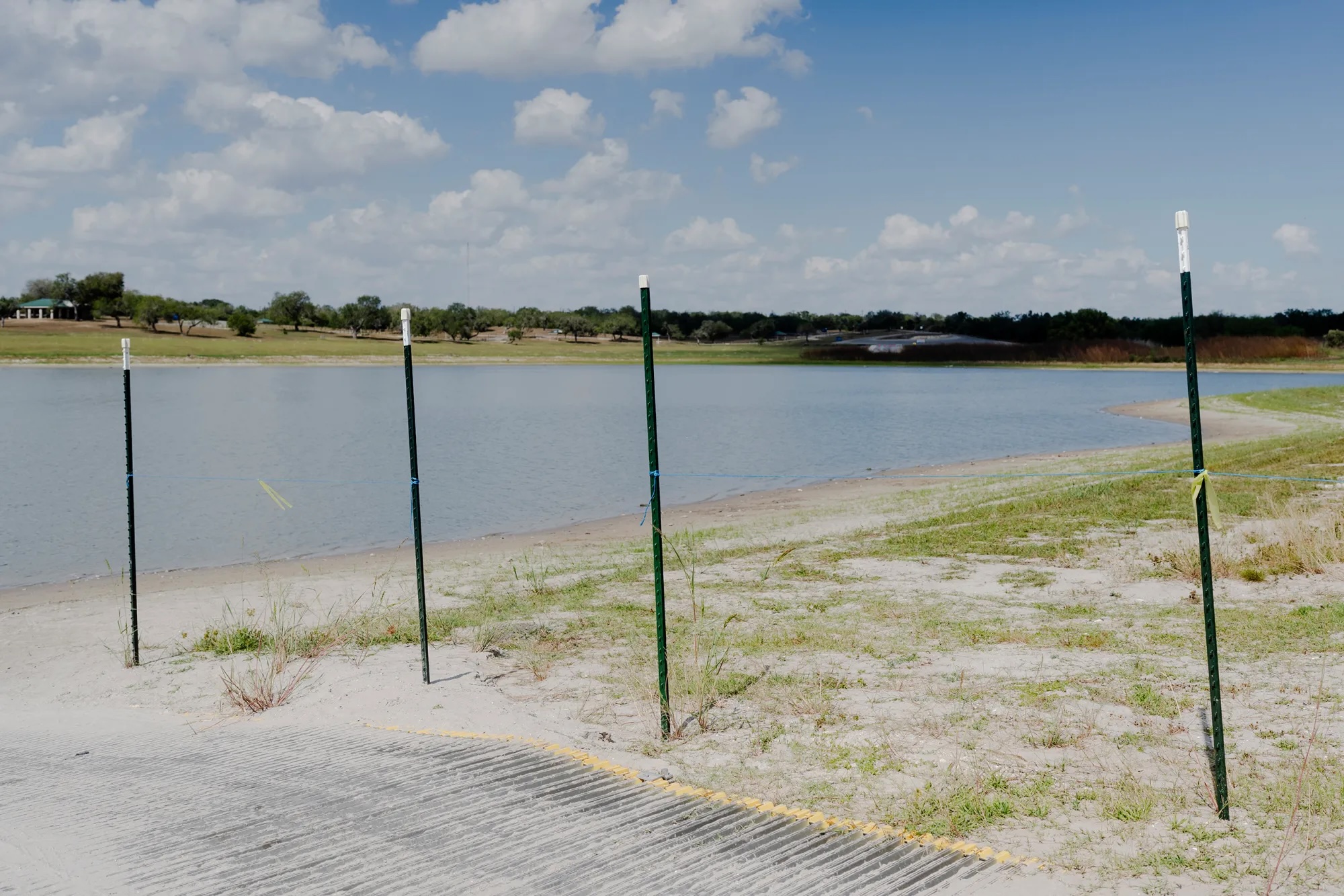
Corpus Christi reservoirs stand at 8 percent capacity. The city has banned lawn watering since August 2024 and may impose monthly household limits of 6,000 gallons by December 2026 if rainfall stays low.
May 25, 11:47 AM·2m read1 source
 insurancejournal.com
Audio version
Tap play to generate a narrated version.
Developing·Limited corroboration so far. This page will refresh as more sources emerge.
Corpus Christi, Texas, supplies water to more than 500,000 residents and large industrial users while serving as the nation’s largest crude-oil export hub. The city’s two main reservoirs in the Nueces basin hold about 8 percent of capacity as of May 2026, after widespread drought conditions began in late 2021.
Since August 2024, residents have been prohibited from watering lawns and face limits on garden irrigation and vehicle washing. City officials have warned that a formal water emergency could be declared as early as December 2026, capping household use at 6,000 gallons per month.
The city normally draws most of its water from Choke Canyon Reservoir and Lake Corpus Christi. Lake Texana levels have fallen since mid-2025, though recent rain has restored some volume. Officials continue to monitor whether further reductions will be required.
Port trade value more than doubled between 2013 and 2023, attracting petrochemical facilities that require large volumes of water. City staff had assured companies that supplies would be adequate, yet no new sources have been added since 2016. A planned seawater-desalination plant was abandoned in September 2025 after estimated costs reached $1.2 billion.
The city had already received more than $750 million in state loans for the project.
Twelve million gallons per day are now produced from groundwater wells along the Nueces River. The city has applied for permits to draw up to 24 million gallons per day from the Evangeline aquifer beginning in November 2026; neighboring communities have filed objections.
A project to deliver treated wastewater for industrial cooling and irrigation is scheduled for partial operation in October 2026, starting at one million gallons per day and scaling to 16 million gallons when complete. Several industrial users have agreed to accept the reclaimed supply.