Cuba's Cigar Production Hit by Oil Shortages, Lower Planting Targets, and Export Declines
A Havana cigar shop has not received shipments in a month amid Cuba's oil shortages. Authorities suspended the annual cigar festival in February due to the economic situation. Tobacco planting targets for 2025-2026 were revised downward after heavy rains.
Al Jazeera# Cuba's Cigar Industry Faces Supply Disruptions from Oil Shortages and Reduced Planting Targets A cigar shop in Old Havana stands silent with empty mahogany shelves behind a heavy glass door, as Esteban García observes the lack of stock. " Before the COVID-19 pandemic, García’s shop received deliveries of premium Habanos cigars from brands like Romeo y Julieta, Montecristo, and Cohiba three times a month.
Over the last few years, shipments to García’s shop have slowed to once a month.
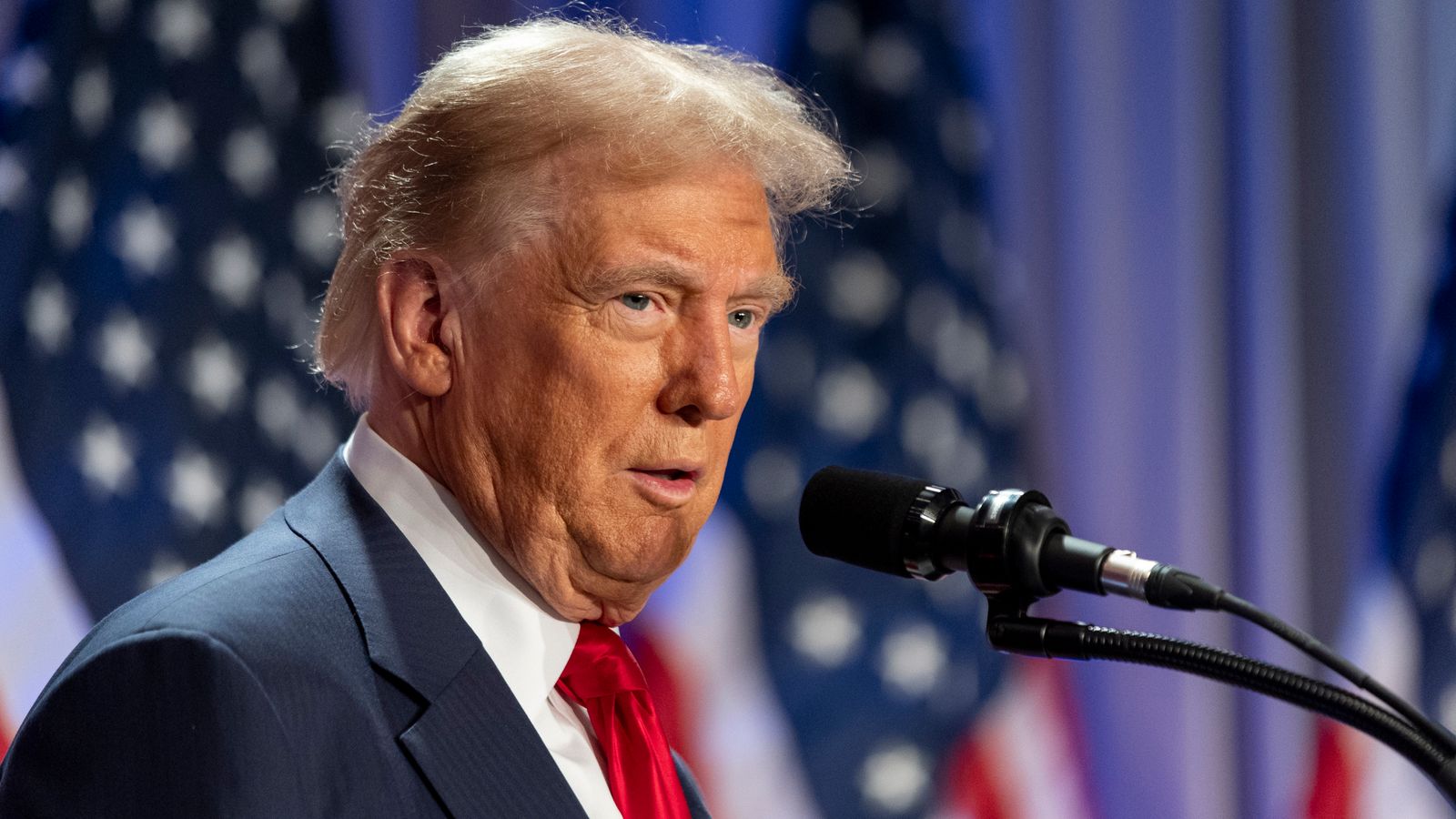
In recent weeks, the monthly shipment pace to García’s shop is not guaranteed. Cuba relies on foreign imports for nearly 60 percent of its total crude oil supply. In January, US President Donald Trump threatened tariffs against any country supplying fossil fuel to Cuba.
Donald Trump ordered Venezuela to stop oil shipments to Cuba. Since the start of the year, only a single Russian oil tanker has reached Cuba.
Oil Shortages Hit Power and Production The Russian oil tanker delivered 730,000 barrels in March, according to analysts.
The 730,000 barrels from the Russian tanker would power Cuba for little over a week, analysts stated. Cuba has experienced three total collapses of the electricity grid this year. 50 percent of tobacco fields in Pinar del Río province rely on electrified irrigation systems, the Cuban government reported.
Dried tobacco leaves are driven to Havana for hand-rolling in state-run factories. In February, authorities in Havana announced the suspension of the city's annual cigar festival due to the oil blockade and complex economic situation.
Declining Exports and Workforce Challenges In 2024, the Cuban government reported nearly $827 million in revenue from tobacco sales.
In 2024, Cuba exported 50 million cigars, according to Tabacuba. 9 million cigars, Tabacuba stated. Elena Herrera, a 56-year-old cigar roller in Havana, has worked for 16 years and earns 6,000 Cuban pesos per month, roughly $12 on the informal market.
Herrera walks four kilometers home daily due to fuel shortages paralyzing public transport in Old Havana. Some cigar factories are operating with just a fifth of their workforce, Sheldon Lloyd Smith stated. A Cohiba Siglo VI cigar retails for $116 in Havana.
In Spain, a Cohiba Siglo VI sells for 105 euros ($122) as of the article's context, according to Halfwheel. 80 euros ($44) in Spain, Halfwheel reported.
Historical Context and Recent Setbacks Cuban cigars are illegal in the US due to a longstanding embargo.
The US trade restrictions responded to the 1959 Cuban Revolution, which established the communist government. The Cuban regime nationalized the island's industries after the 1959 Revolution. Traditional tobacco brands like Montecristo and Romeo y Julieta fell under state control after the 1959 Revolution.
The premium cigar brand Cohiba was launched after the 1959 Revolution. In September 2022, Hurricane Ian damaged as many as 90 percent of tobacco curing barns in Pinar del Río. In the 2022-2023 season, 5,150 hectares of tobacco were planted in Cuba.
The Cuban government announced it failed to meet its target of 12,152 hectares for the 2025-2026 tobacco growing season. The 12,152 hectare target for 2025-2026 was revised down in September due to heavy rains. Since the COVID-19 pandemic, Cuba has experienced a population decline of as much as a quarter.
Story Timeline
6 events- 2026-04 (current)
Havana cigar shop has not received shipment in a month; monthly pace not guaranteed.
2 sourcesunattributed · store manager (pseudonym) - September 2025
Cuban government revised down 12,152 hectare tobacco target due to heavy rains; later announced failure to meet it.
1 sourceCuban government - March 2026
Single Russian oil tanker delivered 730,000 barrels to Cuba.
1 sourceanalysts - February 2026
Havana authorities announced suspension of annual cigar festival due to oil blockade and economic situation.
1 sourceHavana authorities - January 2026
US President Donald Trump threatened tariffs on countries supplying fossil fuel to Cuba and ordered Venezuela to stop oil shipments.
1 sourceunattributed - 2026 (year to date)
Cuba experienced three total collapses of the electricity grid.
1 sourceunattributed
Potential Impact
- 01
Suspended annual cigar festival affecting tourism and industry promotion.
- 02
Lower export revenues following 50 million cigars shipped in 2024 versus prior peaks.
- 03
Worker hardships from fuel shortages halting public transport in Havana.
- 04
Reduced cigar production due to irrigation failures in electrified tobacco fields.
- 05
Ongoing power grid collapses disrupting factory operations and leaf processing.
Transparency Panel
Related Stories
Abc NewsUniversity of Michigan Next President Declines Role Due to Brain Cancer Diagnosis
Kent Syverud, chancellor at Syracuse University, announced he cannot assume the presidency of the University of Michigan after a recent brain cancer diagnosis. He will instead join the university as a law professor and adviser. The university's interim president will continue in…
larrybrownsports.comGiants Quarterback Jaxson Dart and Girlfriend Marissa Ayers Mark Her 23rd Birthday in New York
Marissa Ayers, girlfriend of New York Giants quarterback Jaxson Dart, reflected on a transformative year in a TikTok video while preparing for her 23rd birthday dinner. The couple, who confirmed their relationship publicly in January 2026, opted for a relaxed weekend in New York…
Abc NewsJackson Criticizes Colleagues' Emergency Orders
Supreme Court Justice Ketanji Brown Jackson delivered a speech at Yale Law School critiquing her conservative colleagues' use of emergency orders that have benefited the Trump administration. She described the orders as superficial and oblivious to real-world impacts on people. J…