Unbiased AI-powered news
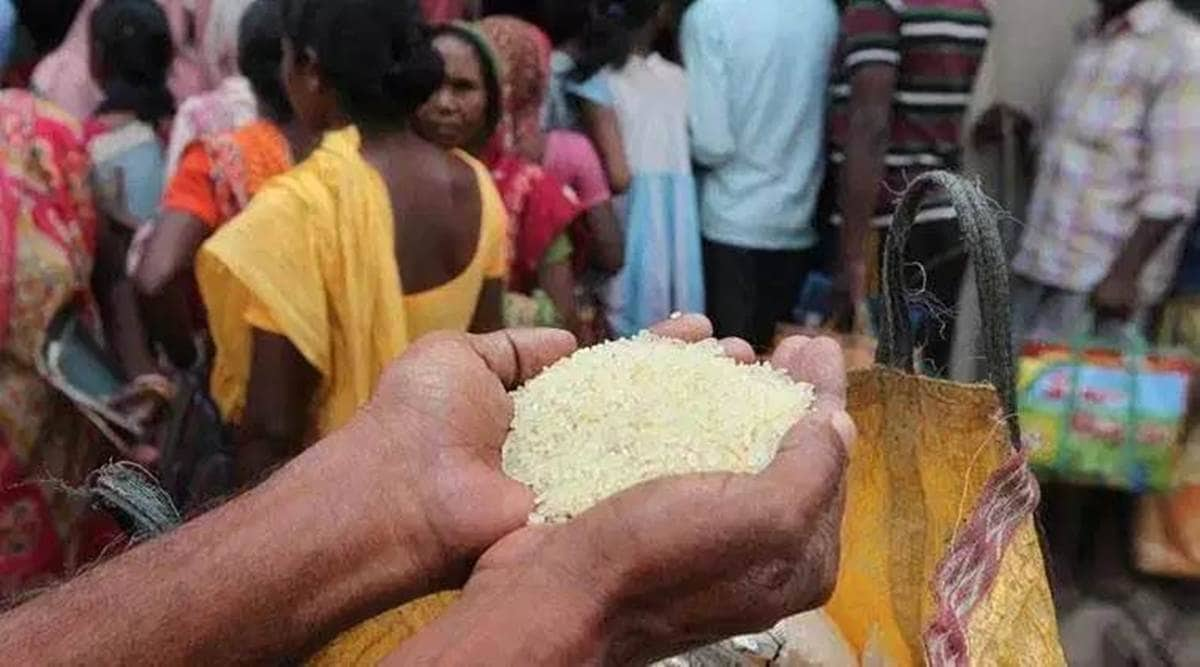
Government ration books in Cuba, once providing a month's worth of subsidized essentials, now offer minimal goods as shelves in state-run bodegas sit nearly empty. Residents report surviving on scant supplies while salaries fail to cover basic costs in U.S. dollars. The system, established in the 1960s, has contracted further since the 1990s Special Period.
indianexpress.comJosé Luis Amate López has not had a customer in almost two weeks at the bodega where he works in central Havana. A scrawny brown kitten slinks around the store, the only visitor amid nearly empty shelves in late April. The bodega serves 5,000 clients who depend on it for subsidized food.
U.S. dollars across the country of nearly 10 million people. 'No Cuban can truly survive on the products from the ration book anymore,' Amate López said.
In April, his bodega had only rice, sugar, and split chickpeas available to sell. Fidel Castro established the ration book system in the early 1960s, offering heavily subsidized goods including milk, fish, and cigarettes. Cubans' assigned bodegas were stocked with needed goods by the first of the month.
The system shrank during the Special Period in the 1990s when Soviet aid plummeted, with goods including bread, milk, eggs, and chicken in scarce quantities. Cubans lost an average of 5% to 25% of their body weight during the Special Period, according to one study published in a medical journal.
Now it is an empty room with dusty old posters detailing prices and amounts of nearly two dozen goods no longer available, including yogurt, pasta, and bars of soap.
Two industrial freezers once packed with meat and chicken now serve only to keep Amate López's water bottle cold. Cuban teens turning 15 used to receive cake and several cases of beer for the landmark birthday. Now they receive 3 kilograms of ground beef.
Amate López does not have those items at his bodega. Ana Enamorado, 68, bought split chickpeas and 2 pounds of sugar at her assigned bodega in April.
Enamorado's salary and pension total 8,000 Cuban pesos per month, equivalent to $16. A carton of 30 eggs costs roughly 3,000 pesos, or $125. Two pounds of meat hash costs nearly 900 pesos, equal to $37, while 1 pound of cornmeal costs roughly 200 pesos, or $8.
'There’s hardly anything in the ration book. We’re practically living off air,' Enamorado said. Her lunches and dinners consist of rice, seasoned ground meat, and cornmeal, or sometimes nothing at all.
She once ate pork, lamb, fricassee, fried plantain slices, and red beans and rice but now cuts back to one meal a day. Cuba imports up to 80% of the food it consumes.
'They just don’t have the money to do it anymore,' said William LeoGrande, a professor at American University who has tracked Cuba for years. The state spends far more money than it takes in, with the bulk of funds allocated to health, education, social welfare, and food imports.
LeoGrande said the government's investment in tourism is way higher than the demand for tourism, which has plummeted. On a recent sunny afternoon, Lázaro Cuesta, 56, stood in line to receive a daily allowance of two small bread rolls for him and his wife. The bread rolls are now 40 grams each and cost 75 Cuban cents, compared to 80 grams each for 5 Cuban cents previously.
Cuesta said the quality is worse. Cuesta works in food preparation and earns 6,000 Cuban pesos per month, equivalent to $250. His wife, a retired nurse, receives 4,800 pesos in monthly pension. They also receive $200 a month from her brother and daughter who live abroad, which allows them to buy avocados, eggs, and red beans and rice.
'If not for the remittances, hang yourself,' Cuesta said as he grabbed his neck with his right hand. Roughly 60% of Cubans on the island receive remittances. Rosa Rodríguez, 54, of Havana earns 4,000 Cuban pesos per month, equal to $8, which she described as not a bad salary for Cuba but simply not enough no matter how hard one works.
'Everything is scarce here — everything — even that wretched bread they give us,' Rodríguez said. She obtained a donation of 4 pounds of rice at her assigned bodega in April while struggling to buy other basic goods. 'If you buy beans, then you can’t buy sugar,' she said, noting most of her salary goes to a large carton of eggs.
In recent years, Cuba’s government has discussed subsidizing people in need instead of goods to free up money for fuel, medicine, and other imports. U.S. energy blockade.
Single source — no framing comparison available.
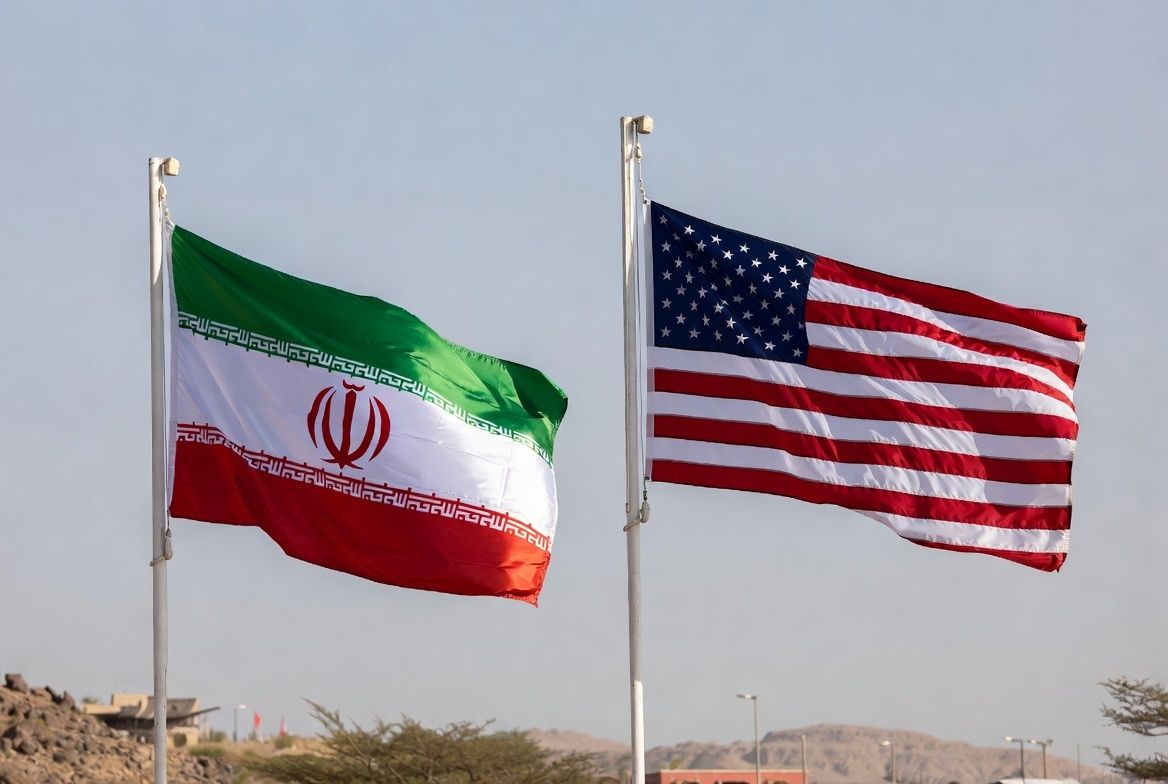
azernews.azIranian military spokesperson Brig. Mohammad Akraminia said Tuesday the U.S. must accept Iranian sovereignty over the Strait of Hormuz for shipping to return to prewar levels. President Trump announced the U.S. would resume a naval blockade of Iranian ports the same day.
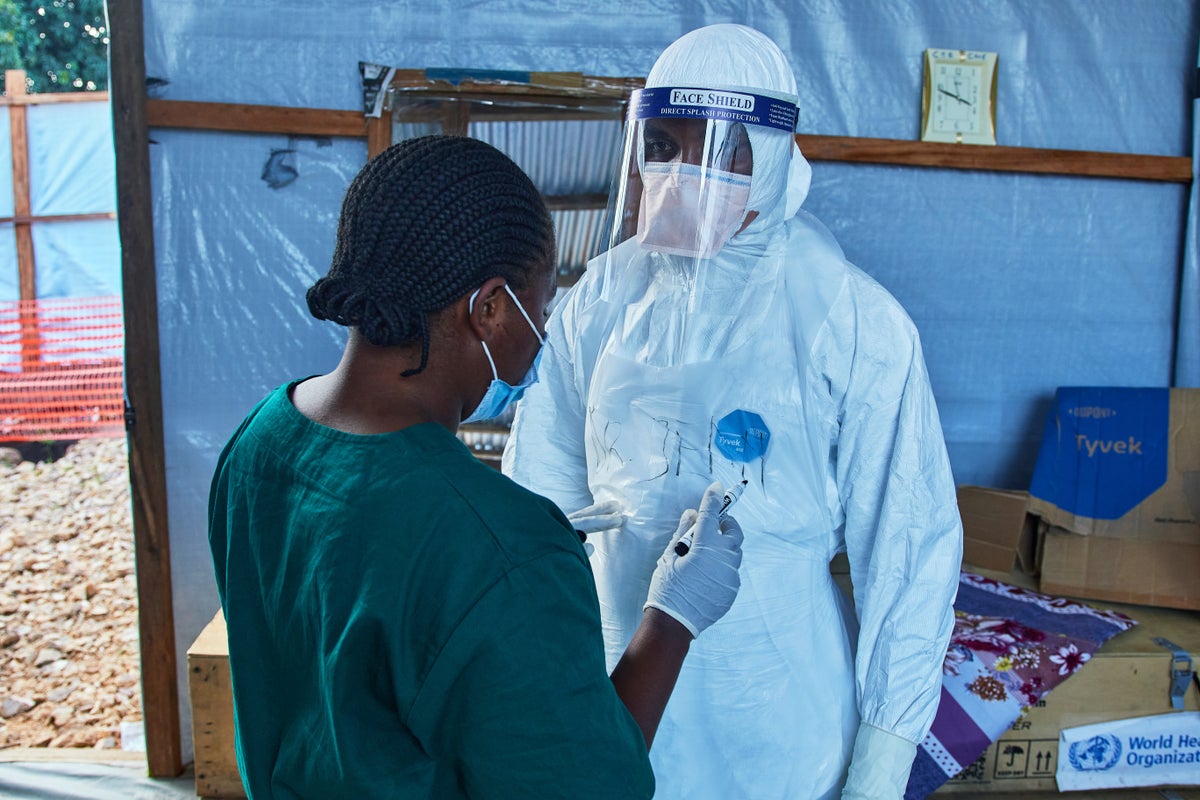
The IndependentThe World Health Organization said the true number of cases is at least double the official tally. The outbreak declared May 15 has spread to Uganda and prompted expanded treatment capacity in Bunia.
The War ZoneThe U.S. Army will station its ME-11B HADES aircraft fleet and establish its first operational unmanned aerial system battalion at Fort Hood, Texas. The moves consolidate the 116th Military Intelligence Brigade and related units at the Texas installation.