Cuban President Diaz-Canel Discusses US Relations, Blockade, and Defense in Newsweek Interview
Cuban President Miguel Diaz-Canel gave his first interview to US media in three years, addressing ongoing US-Cuba talks amid a fuel blockade. He expressed willingness for dialogue on issues like migration and trade while emphasizing Cuba's defensive readiness against potential military threats.
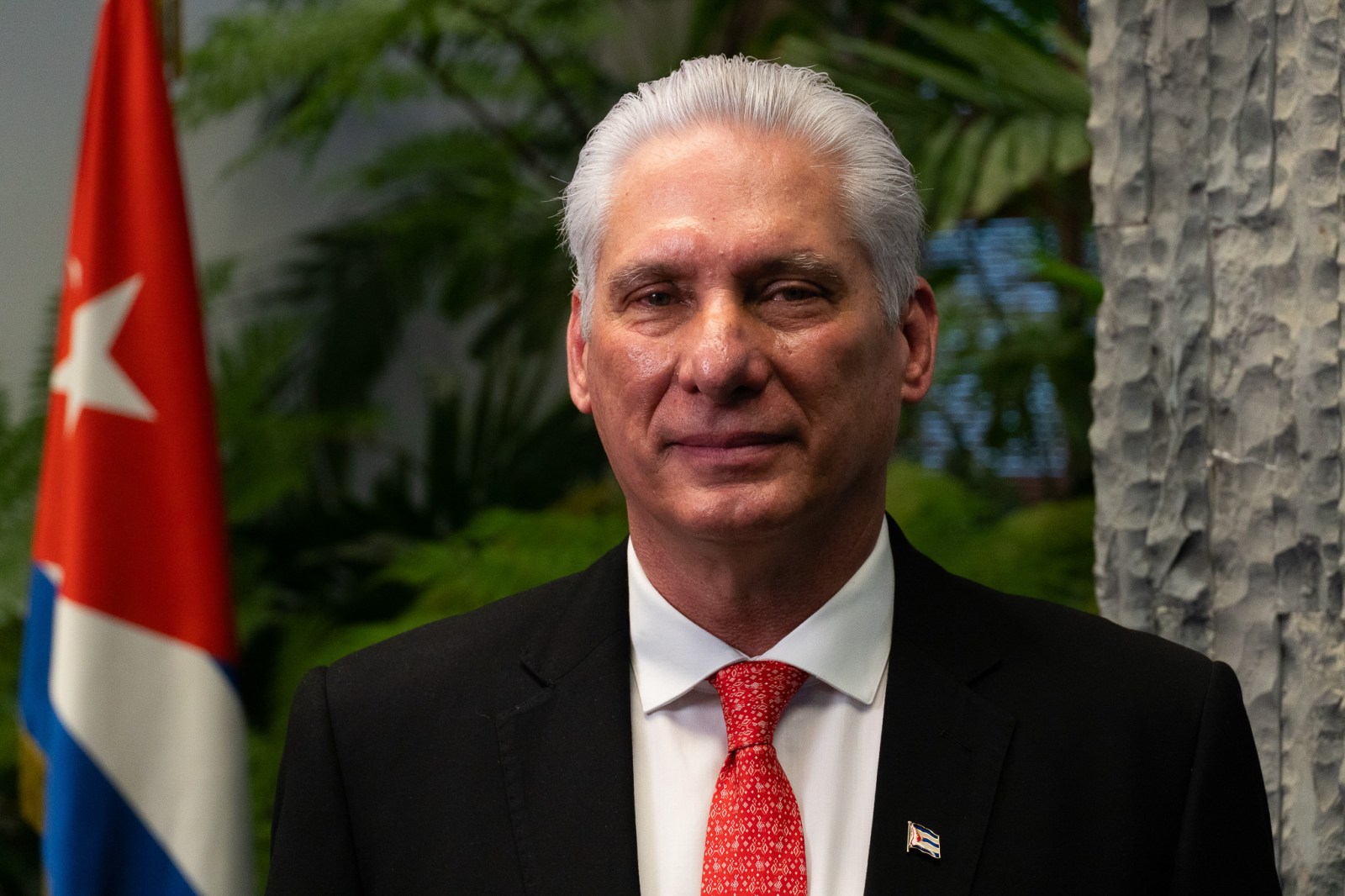
NewsweekCuban President Miguel Diaz-Canel conducted an interview with Newsweek in Havana on April 3, 2026, marking his first discussion with US media in three years. The conversation focused on current US-Cuba diplomatic talks, the intensified US blockade including a months-long fuel restriction, and Cuba's stance on potential military confrontation.
Diaz-Canel proposed cooperation in areas such as science, migration, anti-drug trafficking, trade, education, culture, and sports.
Diaz-Canel stated that dialogue with the United States remains possible despite difficulties stemming from historical hostility and asymmetrical power dynamics. He noted Cuba's consistent willingness to maintain neighborly relations regardless of ideological differences and cited past successful engagements with previous US administrations.
Agreements could include US investments in Cuba and mutually beneficial economic projects, he added.
The president identified obstacles including sectors in US society opposed to engagement with Cuba and a 67-year policy of US hostility, aggression, and blockade.
He described the current energy blockade as a cruel intensification causing multidimensional aggression with devastating effects on Cuban lives. Diaz-Canel also pointed to US government precedents of negotiating with nations like Iran and Venezuela before taking military action, fostering mistrust among Cubans.
Cuba has fulfilled commitments in past agreements, while the US has not always honored them, according to Diaz-Canel.
He affirmed that respectful dialogue must occur on equal footing, respecting Cuba's sovereignty, political system, self-determination, reciprocity, and international law. The interview took place at the Presidential Palace amid Cuba's humanitarian crisis exacerbated by the blockade.
concerns over US President Donald Trump's statements suggesting regime change or military action against Cuba, Diaz-Canel reiterated that Cuba is a nation of peace promoting solidarity and cooperation.
He outlined Cuba's defensive doctrine known as the 'war of all the people,' involving participation by the entire population, and stressed that Cuba poses no threat to the US. Recent US rhetoric, including announcements of military aggression and deadlines for the Cuban Revolution's endurance, was cited as illustrative of an aggressive stance.
Diaz-Canel warned that any US military operation would result in immense losses on both sides.
Cuban leaders are committed to defending the revolution, sovereignty, and independence, prepared to give their lives if necessary. The preparation for defense aims to deter confrontation, with efforts focused on avoiding war and pursuing peace.
suggested that consolidated dialogue could lead to agreements benefiting both Cuban and American peoples, creating spaces of understanding away from confrontation.
He emphasized the need for a climate of peace, friendship, and cooperation rather than war. The interview transcript was lightly edited for clarity and published by Newsweek.
Key Facts
Story Timeline
4 events- Apr 3, 2026
Miguel Diaz-Canel gave interview to Newsweek in Havana discussing US-Cuba talks and defense.
1 sourceNewsweek - Recent months
US intensified energy blockade causing fuel shortages and humanitarian effects in Cuba.
1 sourceNewsweek - Recent weeks
US officials issued rhetoric announcing potential military aggression against Cuba with deadlines.
1 sourceNewsweek - Over 67 years
US maintained policy of hostility, aggression, and blockade toward Cuba.
1 sourceNewsweek
Potential Impact
- 01
Cuba's humanitarian crisis worsens due to ongoing energy blockade restrictions.
- 02
Cuba mobilizes population under defensive doctrine in response to threats.
- 03
US-Cuba dialogue advances agreements on migration and trade if mistrust decreases.
- 04
Tensions escalate if US military rhetoric leads to aggressive actions.
- 05
US investments enter Cuban economy through potential bilateral projects.
Transparency Panel
Related Stories
BBC NewsTrump Meets Advisers to Decide on Iran Ceasefire Extension
President Trump said he is holding a Situation Room meeting to make a final decision on a possible deal with Iran. The proposed agreement would extend the ceasefire by 60 days and reopen the Strait of Hormuz.
Trump to Decide on Iran Deal in Situation Room Meeting
President Trump said Friday he is heading into the Situation Room to make a final determination on a potential agreement with Iran. The proposed deal would reopen the Strait of Hormuz without tolls and require destruction of Iran's highly-enriched uranium.
benzinga.comVietnam Clears Graves for Trump Organization Project in Hung Yen Province
Farmers in Hung Yen province are exhuming family graves to make way for a $1.5 billion Trump Organization development that includes hotels, villas and a golf course. The project, approved last year, has drawn local resistance over compensation levels and relocation of remains.