Substrate
world

DARPA Seeks Containerized Systems for Autonomous Drone Swarms

The Defense Advanced Research Projects Agency has requested concepts for drones in Groups 1-3 and remotely operated containerized systems capable of launching, recovering, and sustaining them. The systems would support autonomous constellations of up to 500 drones for missions including surveillance and kinetic strike in contested or GPS-denied environments.

TH
1 source·May 11, 3:30 PM(18 days ago)·2m read
DARPA Seeks Containerized Systems for Autonomous Drone Swarmsyahoo.com
Audio version
Tap play to generate a narrated version.
Developing·Limited corroboration so far. This page will refresh as more sources emerge.

The Defense Advanced Research Projects Agency is seeking concepts for highly autonomous drones and containerized systems that can launch, recover, and support them as part of self-sustaining constellations. DARPA's Tactical Technology Office first issued the request for information in April and updated the contracting notice several times, with the latest version posted online on May 10, 2026.

The agency has not assigned a name to the project. The systems would enable networked swarms of as many as 500 drones operating together with a variety of payloads. These include surveillance and reconnaissance as well as kinetic strike capabilities.

The notice states that such constellations could be deployed in contested areas or positioned behind enemy lines.

The contracting notice explains that existing commercial Group 1-3 airborne platforms have limited endurance, payload capacity, and auxiliary power. When operated as constellations they typically require substantial infrastructure, basing areas, and human involvement for recovery, recharging or refueling, and relaunch.

"The landscape of current platform technologies has broad limitations that require evolution to achieve high-endurance constellations consisting of drones with meaningful payload Size Weight, Power, and Cost (SWaP-C) staged from fully autonomous containers capable of complete mission-cycle management inclusive of launch, sustainment/swap-out, and recovery," the notice states.

The U.S. military classifies drones into five groups. Groups 1 through 3 cover systems weighing up to 1,320 pounds with altitudes up to 18,000 feet and speeds of 250 knots or less. This range includes small quadcopters through long-range one-way attack munitions.
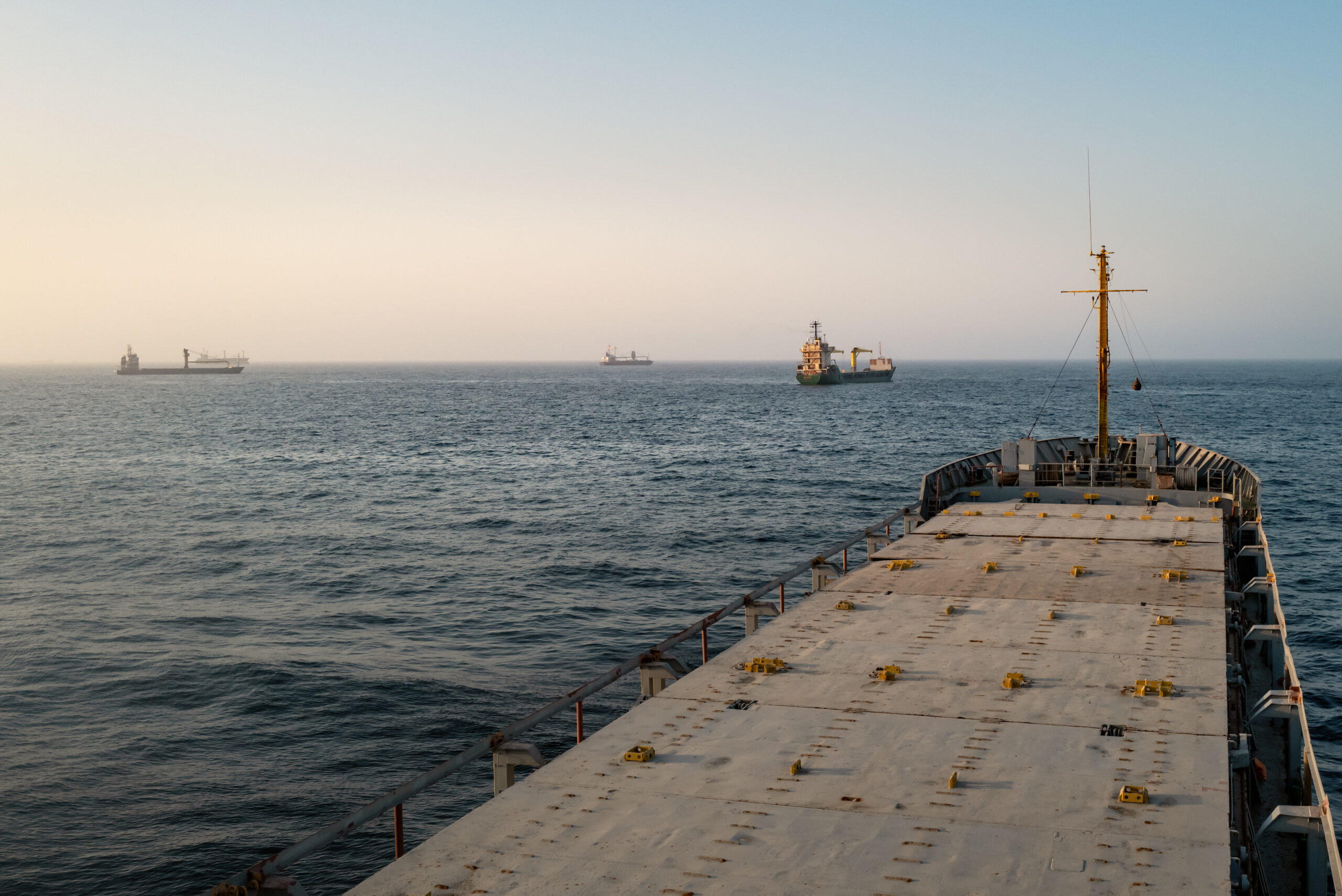
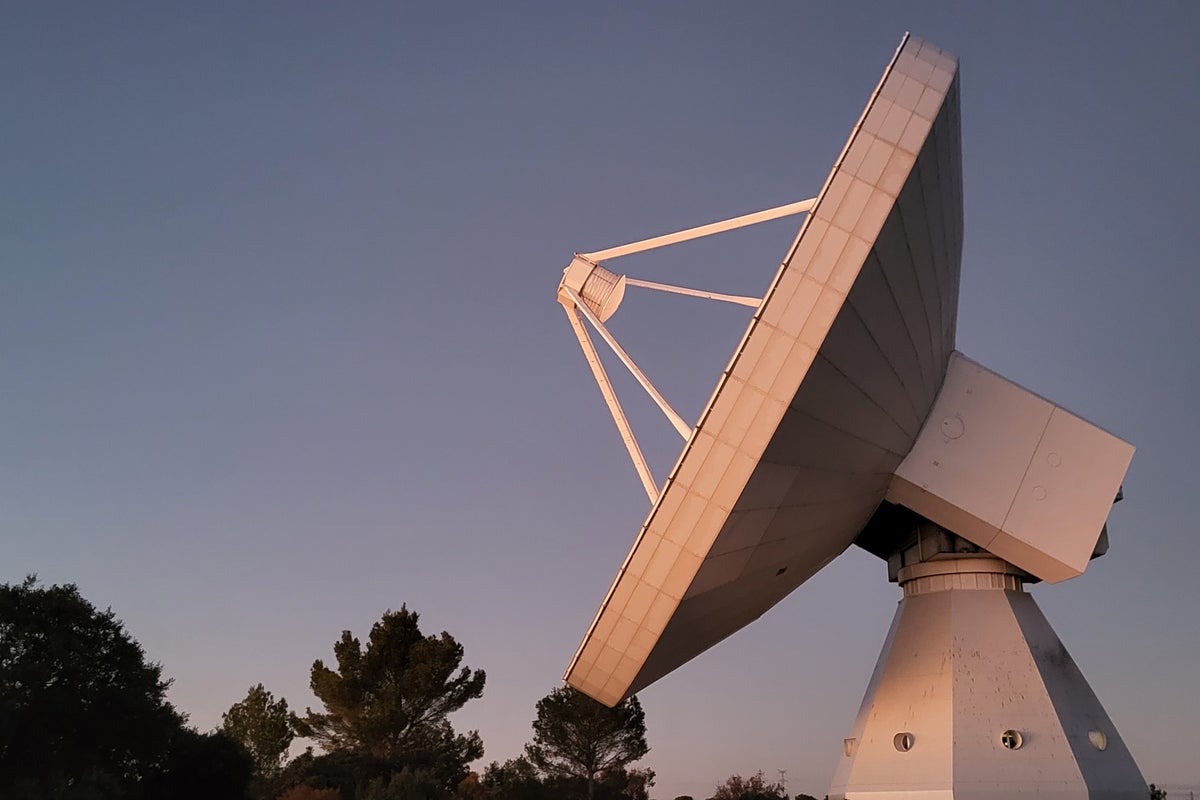
DARPA is looking for Group 1-3 platforms that support fully autonomous launch, recovery, storage, organization, recharging or refueling, internal logistics, and pre- and post-flight checkout. The drones must form a mission-focused collaborative constellation with software for path optimization and collision deconfliction.

The containers must conform to standardized military dimensions such as Conex, 463L pallets, Tricon or ISU containers while providing fully autonomous drone storage, logistics management, launch, recovery, and recharge or refuel capabilities. Non-standard designs including suitcase-based or box-based systems will also be considered if compatible with military transport.

The containers are envisioned to be self-sufficient with their own energy storage, communication equipment, and computing capability. DARPA also expressed tangential interest in a remotely operated host platform, which could be air, ground, or maritime, to transport the containers to and from designated areas.

Spiderweb covert drone attacks on Russian airbases in 2025 and Israel's near-field attacks from within Iran during the 12 Day War demonstrated the effectiveness of similar capabilities. @TheWarZoneWire has previously reported on the value of drone swarm launch systems for land and sea operations.

The notice highlights existing drone-and-launcher combinations used for preplanned light shows and commercial activities but notes they are not suitable for U.S. military use. Commercial developments, such as a Chinese firm's containerized system capable of handling thousands of small quadcopters, have drawn attention in this field.

The request remains open-ended regarding specific drone and container designs. Responses are due that address long-endurance constellations with high operational availability in GPS-denied environments.

Key Facts

Up to 500 drones
maximum size of autonomous constellation
Groups 1-3 drones
weight up to 1,320 pounds, 18,000 feet altitude
Fully autonomous containers
handle launch, recovery, recharge without human input

Story Timeline

3 events
  1. May 10, 2026

    DARPA posts latest update to its contracting notice for containerized drone swarm systems.

    1 source@TheWarZoneWire
  2. April 2026

    DARPA's Tactical Technology Office initially issues the request for information.

    1 source@TheWarZoneWire
  3. 2025

    Ukraine conducts Operation Spiderweb covert drone attacks on Russian airbases.

    1 source@TheWarZoneWire

Potential Impact

  1. 01

    Defense contractors could develop new Group 1-3 drone and container systems meeting DARPA's open-ended requirements.

  2. 02

    U.S. military may gain ability to deploy sustained drone operations in GPS-denied areas with minimal infrastructure.

  3. 03

    Adversaries may accelerate parallel programs for containerized drone swarms following publicized U.S. interest.

  4. 04

    Operational concepts for long-endurance autonomous constellations could influence future Pentagon procurement.

Transparency Panel

Sources cross-referenced1
Confidence score75%
Synthesized bySubstrate AI
Word count506 words
PublishedMay 11, 2026, 3:30 PM
Bias signals removed3 across 2 outlets
Signal Breakdown
Loaded 1Editorializing 1Speculative 1

Related Stories

WHO Chief Visits DRC as Ebola Death Rate Reaches 30-50%The Guardian
world26 min ago

WHO Chief Visits DRC as Ebola Death Rate Reaches 30-50%

World Health Organization director-general Tedros Adhanom Ghebreyesus arrived in the Democratic Republic of the Congo to support containment of a new Ebola outbreak. The agency revised the death rate to 30-50% based on confirmed cases and recorded 10 confirmed and 223 suspected d…

SK
The Guardian
2 sources
Greek National Charged in UK With Aiding Iran-Linked Intelligence Servicewesternjournal.com
world26 min ago

Greek National Charged in UK With Aiding Iran-Linked Intelligence Service

A 46-year-old Greek man living in Germany was charged under the UK National Security Act with assisting an intelligence service believed to be Iran by targeting a journalist at Iran International.

Reuters
BBC News
2 sources
Journalists in Gaza to Receive 2026 Golden Pen of Freedom Awardstraitstimes.com
world2 hrs ago

Journalists in Gaza to Receive 2026 Golden Pen of Freedom Award

Three international news agencies will accept the award on behalf of their local staff still reporting from the territory. The World Association of News Publishers cited the journalists' continued coverage under extreme conditions.

Al-Monitor
AF
2 sources