world
DARPA Seeks Robot Medic Prototypes for Battlefield Casualties
The U.S. Defense Advanced Research Projects Agency issued a solicitation for small businesses to develop autonomous robotic systems that can reach, move, and treat wounded personnel. The deadline for proposals is June 3.
May 26, 6:17 PM·1m read1 source
 Defense News
Audio version
Tap play to generate a narrated version.
Developing·Limited corroboration so far. This page will refresh as more sources emerge.
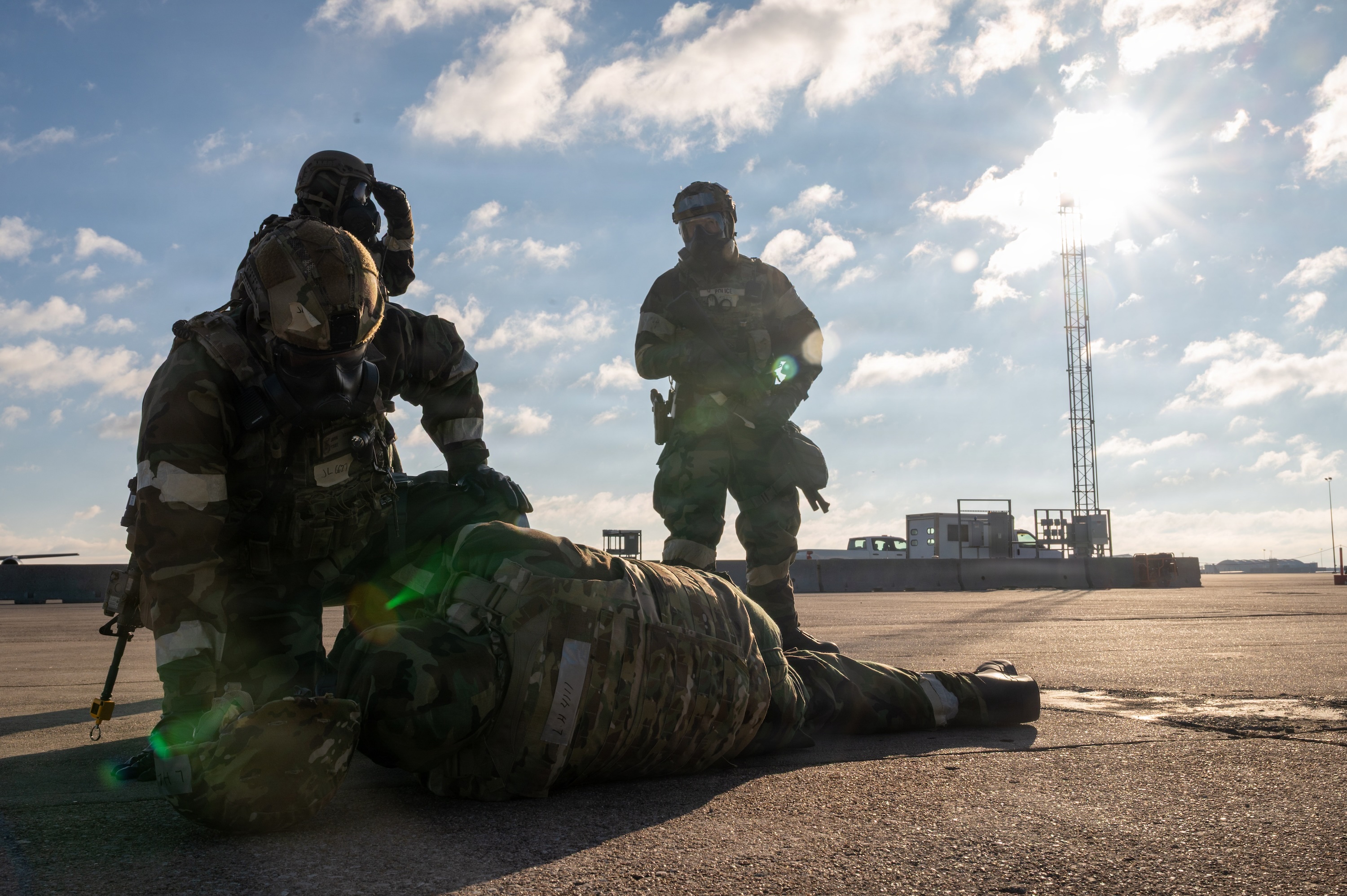
U.S. Defense Advanced Research Projects Agency issued a solicitation seeking small-business proposals for autonomous robotic systems that can reach, move, and treat battlefield casualties. The solicitation describes a system that would assess wounds, move injured personnel, and perform life-saving interventions at the point of need.
The agency stated that current medical-evacuation procedures may be insufficient for large-scale combat operations that produce mass-casualty events and delayed evacuation. It noted that uncontrolled bleeding is the leading cause of potentially survivable pre-hospital deaths in both military and civilian trauma cases.
Any proposed system must meet at least two of four technical requirements. One requirement calls for robots that can drag an injured person at least 10 meters onto a litter, either singly or by combining strength in a swarm. Another calls for robots that can wrap around an injured limb to form a tourniquet or splint and stop arterial bleeding.
The solicitation also seeks robots capable of injecting medicines and forming shapes that provide pressure over junctional wounds. DARPA said solutions could be any shape but should fit inside an individual first-aid kit or be light enough for drone-swarm delivery.
Phase one demonstrations may occur in laboratories or on medical manikins and must show swarming, injury identification, mobility over rough terrain and across a human body, and the ability to interlock and change shape. U.S. Food and Drug Administration requirements.
The solicitation also mentions potential civilian applications in collapsed buildings, fires, or hazardous-material incidents where human responders cannot reach casualties quickly.