Deep Fission Files for Nasdaq IPO Seeking Up to $157 Million
Deep Fission filed an S-1 on May 20 seeking a Nasdaq IPO that could raise $157 million at $24 to $26 per share. The filing shows the company has increased its accumulated deficit and faces a going-concern warning if the offering is not completed.
 interestingengineering.com
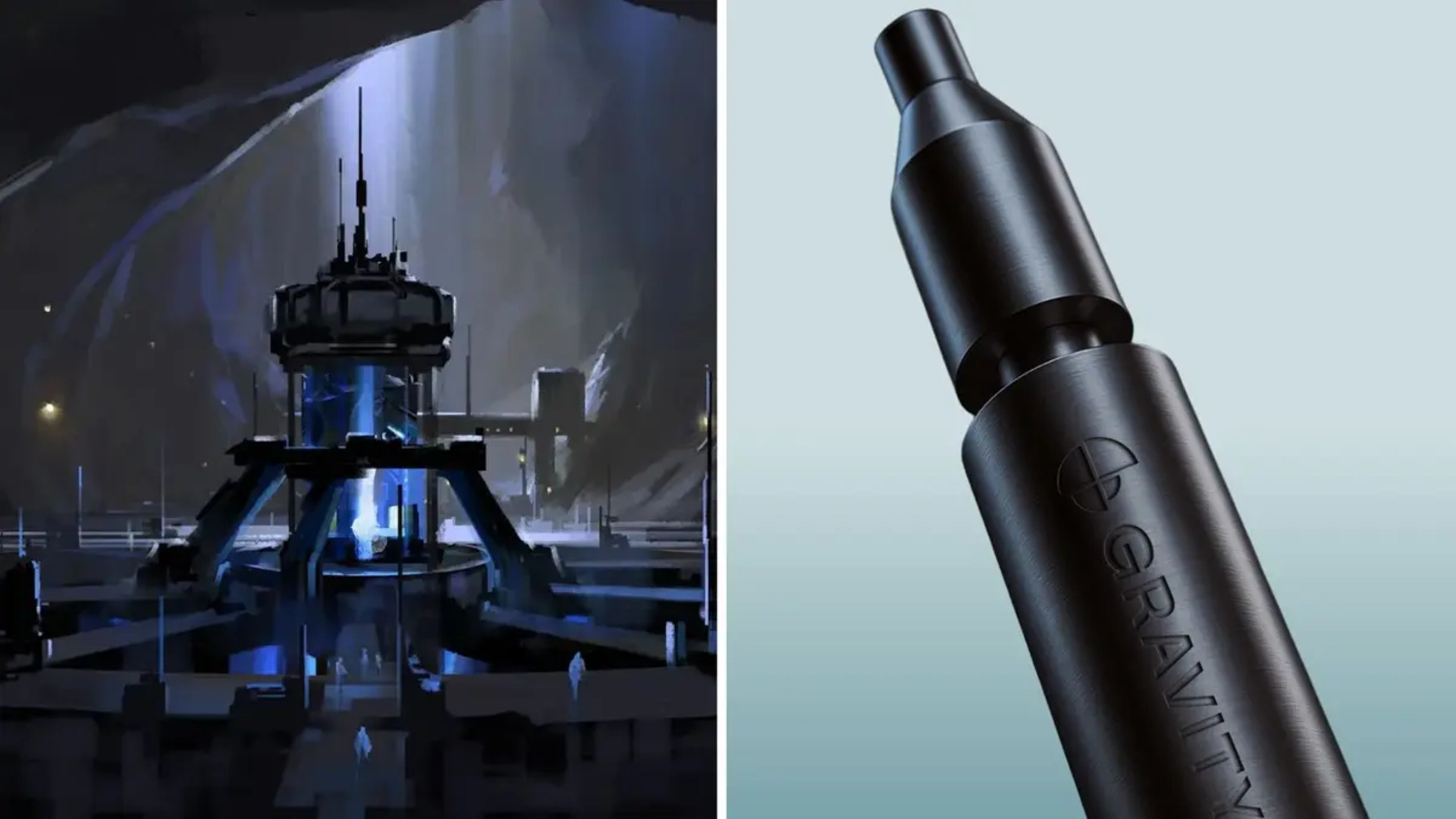
Deep Fission filed an S-1 registration statement on May 20 for a Nasdaq IPO that could raise up to $157 million at a price range of $24 to $26 per share. 66 billion. The company plans to use the proceeds to develop underground nuclear reactors intended to supply power to AI data centers.
It previously completed a reverse merger with Surfside Acquisition in September that raised $30 million but did not result in active public trading of its shares.
2 million in December. 4 million, or about 7 percent, in the most recent six-week period. The S-1 repeats a going-concern warning stating that the company could exhaust its cash within 12 months if the IPO is not completed.
The company began drilling the first of three test wells in March. The wells are eight inches in diameter and will reach depths of up to 6,000 feet to collect geological data. Deep Fission has not provided a revised date for achieving criticality after previously targeting July 2026.
It stated that commercial-scale boreholes would need to be 30 to 50 inches in diameter and approximately one mile deep. The company received an $80 million equity investment that included $20 million from data center developer Blue Owl, which also signed a non-binding memorandum of understanding for future power supply.
Key Facts
Story Timeline
4 events- September
Deep Fission completed reverse merger with Surfside Acquisition and raised $30 million.
1 sourceTechCrunch - December
Company filed earlier S-1 targeting criticality by July 2026.
1 sourceTechCrunch - March
Deep Fission began drilling first of three test wells.
1 sourceTechCrunch - May 20
Deep Fission filed new S-1 for Nasdaq IPO seeking up to $157 million.
1 sourceTechCrunch
Potential Impact
- 01
If the IPO is completed, Deep Fission would receive up to $157 million in new capital.
- 02
Failure to complete the IPO would leave the company with roughly 12 months of operating cash.
- 03
Successful drilling results could allow the company to finalize commercial borehole dimensions.
Transparency Panel
Related Stories
 investors.com
Tesla Cuts Model Y Starting Price in India by 12 Percent
Tesla introduced a new Premium rear-wheel-drive Model Y in India and removed the Long Range rear-wheel-drive version. The change lowers the entry price by about 12 percent from the original 2025 launch price.
 thesouthafrican.com
South African Researchers Develop Quantum and AI Tools for Cybersecurity
Scientists and startup companies in South Africa are applying quantum communication and AI-powered tools to address rising global cyber threats. The work focuses on strengthening data protection methods.
 Euronews
World Urban Forum 2026 Draws 57,000 Participants from 176 Countries
The 13th World Urban Forum concluded with discussions on housing, climate resilience and urban governance. Organisers reported that the sessions informed future strategic priorities.