science
Denver Plans Thermal Energy Network Using Sewage and Geothermal Heat
Denver will test a thermal energy network that uses water, geothermal boreholes, and wastewater heat to heat and cool downtown buildings. The project aims to replace an aging steam system that relies on natural gas. City officials say the network could cut emissions and lower long-term costs.
 Npr
NprAudio version
Tap play to generate a narrated version.
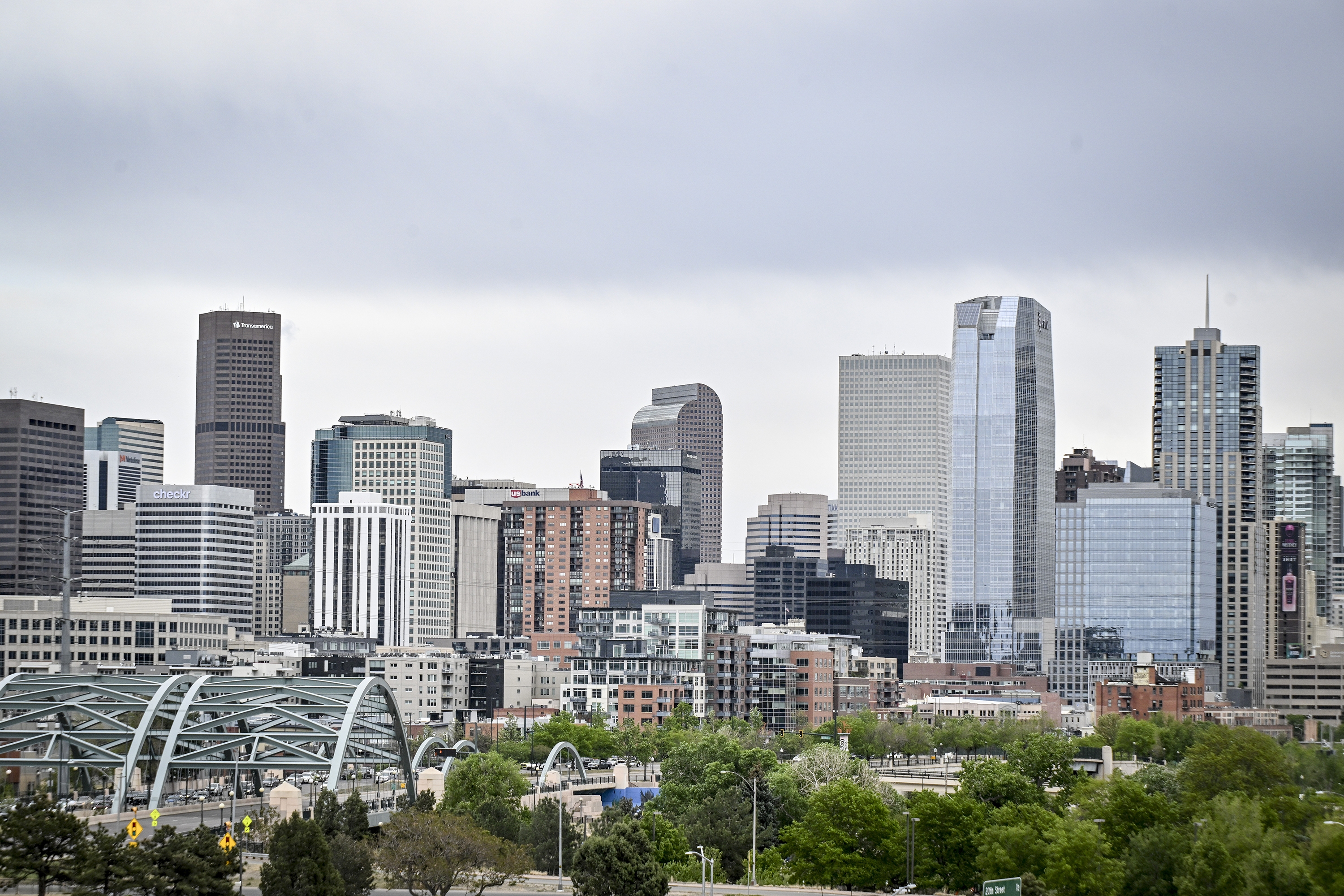
Denver plans to heat and cool a cluster of downtown buildings with a thermal energy network that draws energy from water, the ground, and sewage. The city currently heats more than 100 buildings through the nation's oldest commercial steam system, which burns natural gas. Officials say the new system will replace that network and help meet a city goal of zero greenhouse gas emissions by 2040.
The city will install underground pipes that circulate water among connected buildings. Each building will use water-source heat pumps to extract or reject heat as needed. Excess heat from one building can move through the loop to warm another. The Cherokee Boiler House will serve as the central control point for the system.
The city estimates construction will cost between $280 million and $320 million over the next decade. A 2025 feasibility study found the network could cost up to 75 percent less than other decarbonization options.
Hundreds of geothermal boreholes will be drilled beneath downtown parking lots to tap heat from more than 1,000 feet underground. The city also plans to install a heat exchanger in a major sewer line to capture thermal energy from warm wastewater. Metro Water Recovery director of technology and innovation Dan Freedman said wastewater can contain about four times the heat used by current steam customers in winter.
The pilot phase will connect two buildings and a sidewalk snowmelt system within two years. By 2030 the city expects nine buildings to join the network. Officials say the project is funded by city money and a state grant, with possible future bond or private financing.