Department of Justice Charges New York-Presbyterian Hospital with Antitrust Violations
The Department of Justice has charged New York-Presbyterian Hospital with antitrust violations related to its contracts with insurance companies. A congressional committee is set to hold a hearing on hospital practices next week. The case highlights issues with hospital competition and state regulations.
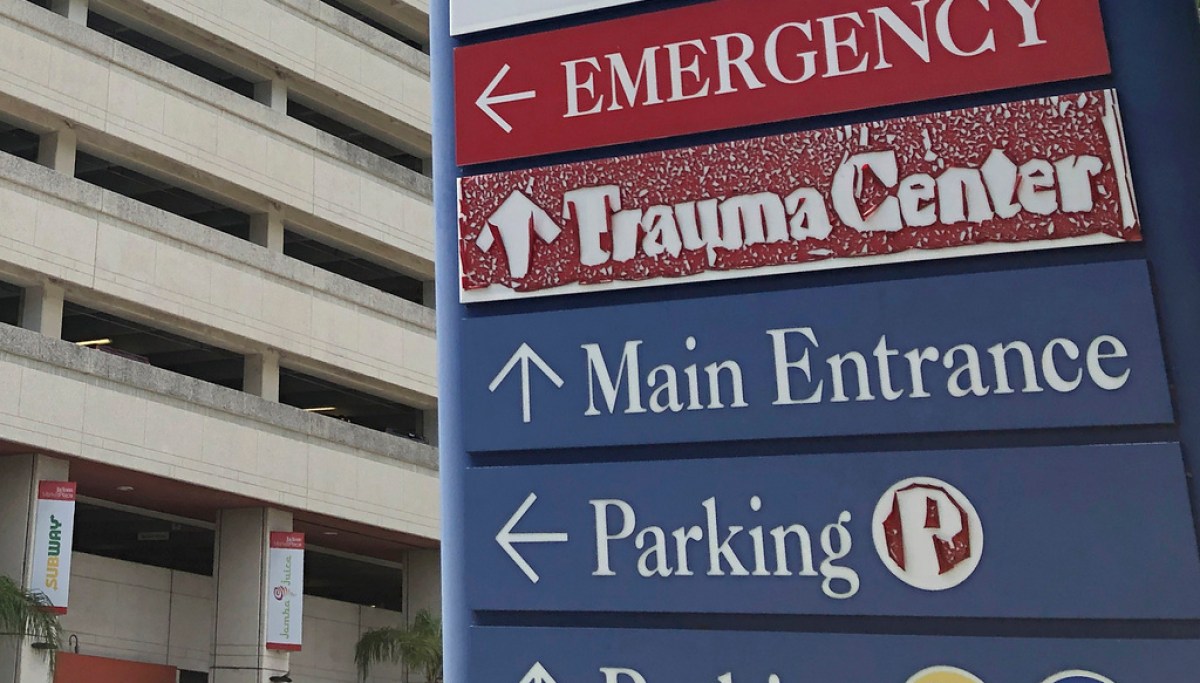
Unknown authorUnknown author / Wikimedia (CC0)The Department of Justice charged New York-Presbyterian Hospital with antitrust violations in late March 2026. According to the charges, the hospital imposes contract restrictions on insurance companies that prevent them from offering plans excluding the hospital or providing incentives for using rival providers.
These restrictions limit lower-cost insurance options and affect patient choices regarding care costs. In 2024, the 32BJ Health Fund, covering members of the Service Employees International Union in New York, attempted to secure coverage with insurer Aetna that excluded New York-Presbyterian Hospital.
The hospital required a $25 million payment from the fund before allowing the exclusion, citing owed amounts for past services. The fund ultimately did not proceed with the Aetna plan.
York-Presbyterian
Hospital charges an average of 330% more than Medicare rates, compared to 310% for New York hospitals overall and 253% nationwide. The hospital system reported over $10 billion in revenue in 2025. It operates 10 campuses with over 4,000 beds and handles more than 2 million patients annually, accounting for 25% of inpatient discharges in New York City.
The hospital provides amenities such as gift bags with facial cleanser, lipstick, and perfume for new mothers at its Alexandra Cohen Hospital for Women and Newborns. VIP patients receive Italian linens and toiletries, while facilities include a piano player and waterfall at the Washington Heights location, and tennis courts, a pool, and a golf course at the White Plains behavioral health center.

Insurers face challenges excluding the hospital due to its market share, as policyholders would lose access to a major provider.
of need laws require healthcare providers to obtain state approval for new or expanded facilities. New York's law, enacted in 1964, involves approval from the state Department of Health followed by a 60-day public comment period where existing hospitals can oppose new competition.
Research indicates these laws are associated with fewer service providers. Studies show that states repealing such laws experienced increases in long-term acute care hospitals and facilities with cardiac care programs. In six states that repealed certificate of need requirements for ambulatory surgery centers, the number of such centers increased by 44% to 47% per capita.
New York ranks in the bottom fifth of states for ambulatory surgery centers per 100,000 Medicare beneficiaries.
The House Ways and Means Committee has scheduled a hearing for April 28, 2026, to examine hospital practices. This follows increased focus on hospital rates amid cost-of-living concerns ahead of the November 2026 midterm elections. Thirty-five states and the District of Columbia maintain certificate of need laws.
Key Facts
Story Timeline
4 events- April 28, 2026
The House Ways and Means Committee is scheduled to hold a hearing on hospital practices.
1 sourceWashington Examiner - Late March 2026
The Department of Justice charged New York-Presbyterian Hospital with antitrust violations.
1 sourceWashington Examiner - 2024
The 32BJ Health Fund attempted to exclude New York-Presbyterian Hospital from an Aetna plan but faced a $25 million demand.
1 sourceWashington Examiner - 1964
New York enacted its certificate of need law, the oldest in the nation.
1 sourceWashington Examiner
Potential Impact
- 01
The congressional hearing may lead to new legislation addressing hospital antitrust practices.
- 02
Insurers could gain more flexibility in offering lower-cost plans excluding dominant hospitals.
- 03
States may review and potentially repeal certificate of need laws to increase competition.
- 04
Healthcare costs for patients in New York could decrease with more provider options.
Transparency Panel
Related Stories
SemaforHouse Republicans Pass Immigration Enforcement Bill With East Wing Security Funding
Republicans introduced a party-line immigration enforcement bill on May 6, 2026, that allocates $1 billion for security upgrades at President Donald Trump’s East Wing project. The project has an estimated cost of $400 million and includes a ballroom that Trump has said would be f…
White House Shares Iran Sanctions Graphic from Foundation for Defense of Democracies as Trump Appoints Former FDD Official to Negotiations Team
The White House rapid response account posted a Foundation for Defense of Democracies graphic last week that incorrectly attributed accelerated Iranian uranium enrichment to sanctions relief under former President Joe Biden. Rep. Russell Fry described Iran as a "petulant child" t…
Spirit Airlines Ceases Operations After Filing for Bankruptcy
The budget carrier announced an immediate orderly wind-down on Saturday after negotiations for a $500 million rescue deal failed. Jet fuel costs had doubled since the US-Israel war in Iran began at the end of February, delivering a final blow to the airline as it emerged from its…