science
Desert Rain Frog Classified Vulnerable on IUCN Red List
The desert rain frog was listed as vulnerable this week, with its population projected to fall 20 percent over the next decade without conservation. Mining and development threaten most of its narrow coastal range in South Africa and Namibia.
Jul 10, 5:00 AM·1m read2 sources

 The Guardian
Audio version
Tap play to generate a narrated version.
Developing·Limited corroboration so far. This page will refresh as more sources emerge.
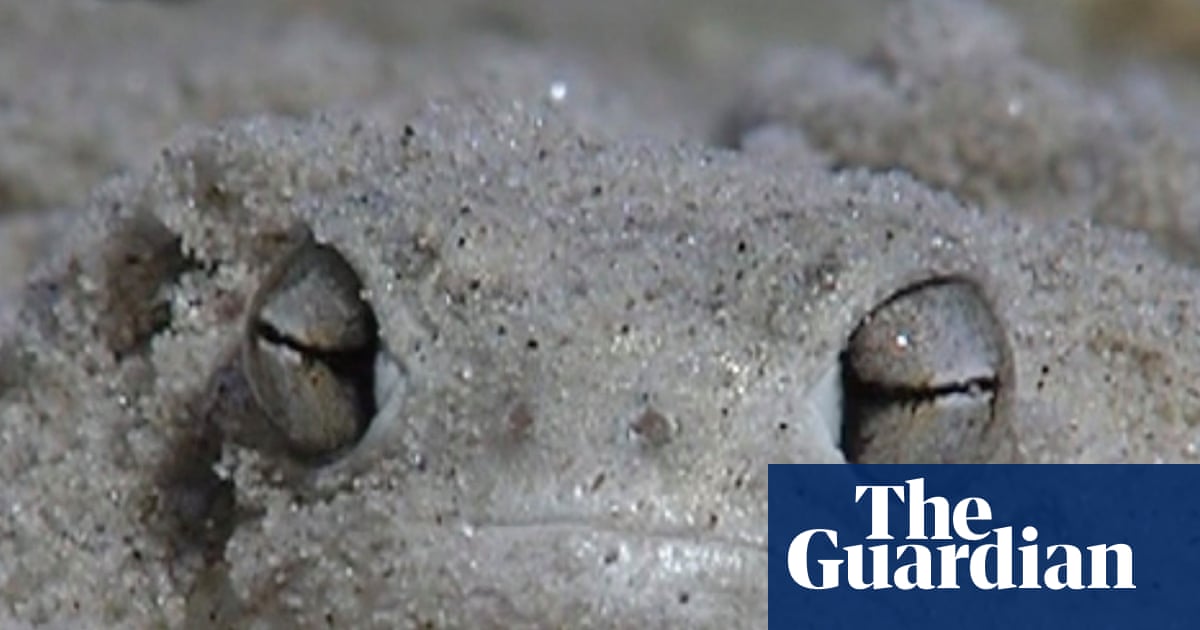
The desert rain frog was classified as vulnerable on the IUCN red list this week, The Guardian reported. Without conservation efforts its population is expected to decline by 20 percent in the next decade. The species lives only in a narrow strip of sand dunes along the north-west coast of South Africa and south-western Namibia.
Diamond mining and projects such as the Boegoebaai port and rail development are projected to affect one-third of its range in South Africa and two-thirds in Namibia over the next 20 years, according to the IUCN. Increased urbanization also threatens the habitat.
Social media videos of the frog’s high-pitched squeak have prompted a surge in online searches for how to obtain the species, The Guardian reported.
The sound is a distress call made in response to predators. The frog spends most of its time burrowed up to 30 cm in the dunes, emerging at night to feed on termites. It absorbs moisture through a vascularized patch on its belly from condensed fog and can remain underground for months.
During reproduction the male secretes glue to attach to the female, after which the female deposits fertilized eggs and unfertilized eggs that the tadpoles later whip into oxygen-trapping foam. The IUCN has assessed 175,909 species in total.