Disabled Kea Parrot Achieves Dominance Through Innovative Fighting Technique
A kea parrot named Bruce, missing his upper beak, has become the alpha male in his group at a New Zealand wildlife reserve by developing a unique jousting method. Researchers observed his behavior and published findings highlighting his problem-solving abilities. The case challenges assumptions about physical advantages in animal conflicts and raises questions about interventions for disabled wild
 Ars Technica
We have limited corroborating sources on this story right now. This page will update automatically as more coverage emerges.
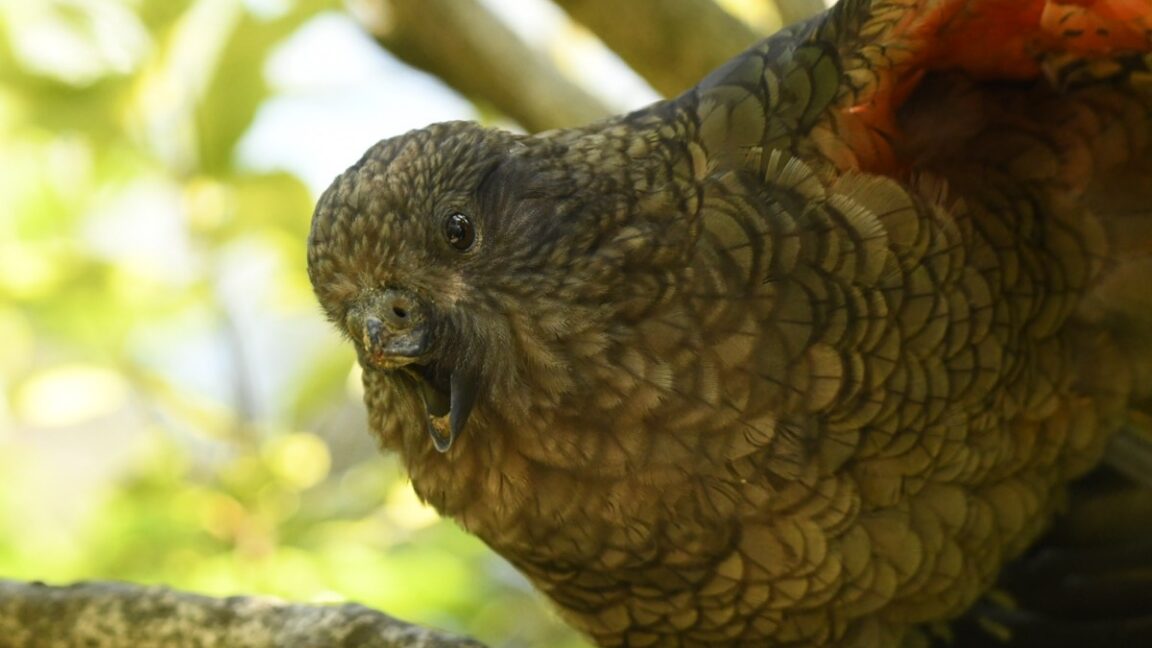
A kea parrot named Bruce, who lost his upper beak in an accident as a young bird, has risen to the top of the social hierarchy in his group at the Willowbank Wildlife Reserve in New Zealand. Despite his disability, Bruce won all 36 observed interactions with other males, securing alpha status.
The findings come from a study published in the journal Current Biology, based on observations of 162 male-versus-male interactions over four weeks.
Bruce's group includes nine males and three females. He demonstrated the lowest levels of stress hormone metabolites and received priority access to central feeding stations. Another bird even groomed his lower beak, a unique honor in the group.
Innovative Adaptation
Bruce employs a distinctive fighting style, thrusting his remaining beak forward like jousting, often adding a run or jump for distance. This differs from other keas, who typically bite downward onto an opponent's neck. Bruce targets the back, head, wings, and legs, using his half-beak more frequently while kicking at the same rate as others.
Key Facts
Story Timeline
4 events- 2026
Researchers published a paper in Current Biology detailing Bruce's dominance through innovative jousting.
1 sourceArs Technica - Recent four weeks
Observations of 162 male kea interactions showed Bruce winning all 36 of his encounters.
1 sourceArs Technica - 2021
Study documented Bruce using pebbles for preening to compensate for missing beak.
1 sourceArs Technica - Youth
Bruce lost his upper beak in an accident as a young bird.
2 sourcesThe New York Times · Ars Technica
Potential Impact
- 01
Further studies on kea cognition could expand understanding of tool use in birds.
- 02
Public interest in kea conservation may increase due to Bruce's story.
- 03
Animal welfare practices may shift to prioritize natural adaptations over prosthetics for disabled wildlife.
- 04
Contest theory models in biology might incorporate more variables for behavioral innovation.
- 05
Wildlife reserves could monitor disabled animals for self-developed coping strategies.
- 06
Comparative research on disability in primates and birds could grow.
Transparency Panel
Related Stories
 scoop.co.nz
Home Healthcare Workers Hold Less Than 3% of Jobs, KPMG Economist Notes
Home healthcare workers account for less than 3% of total jobs in the economy. KPMG senior economist Matthew Nestler stated there is reason to pay attention to this sector. He also indicated reason for concern regarding its status.
 Deadline
Actor Rif Hutton Dies at 73 After Battle with Brain Cancer
Actor Rif Hutton, known for roles in television series including Doogie Howser, M.D., JAG, and General Hospital, died on April 18, 2026, at his home in Pasadena. He had been diagnosed with Glioblastoma a year earlier. His death was announced by family members to TMZ and by close…
 Semafor
Balikatan 2024: US, Philippines, and Allies Conduct Largest-Ever Joint Military Drills Near South China Sea
The United States and the Philippines began their annual Balikatan military exercises on April 20, marking the largest iteration yet with new participants including Japan, Canada, France, and New Zealand. The drills, running through May 8, include maritime strike operations on a…