finance
Disruption in Strait of Hormuz Raises Energy Costs for Asian Economies, Echoing 1997 Financial Crisis
A disruption in the Strait of Hormuz has led to higher energy costs and weakening currencies in Asian economies. This situation recalls the 1997 Asian Financial Crisis, though analysts indicate a full repeat is unlikely. The event affects regional trade and economic stability.
Apr 9, 5:26 AM·1m read1 source
 pravdareport.com
Audio version
Tap play to generate a narrated version.
A disruption in the Strait of Hormuz has caused an increase in energy costs across Asian economies. Currencies in the region have weakened as a result. This development draws comparisons to the 1997 Asian Financial Crisis, which began in Thailand and spread to other countries including Indonesia, South Korea, and Malaysia.
The 1997 crisis involved sharp declines in currency values and stock markets, leading to economic contractions in affected nations. It was triggered by factors such as high foreign debt, speculative attacks on currencies, and sudden capital outflows. International interventions, including from the International Monetary Fund, were required to stabilize the situation.
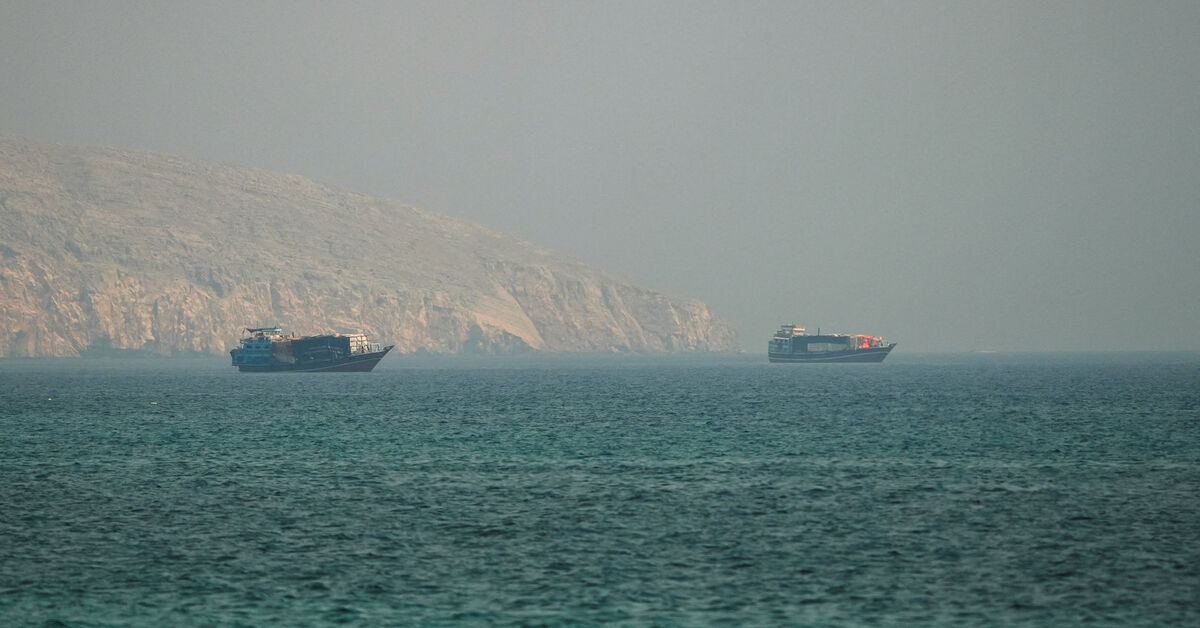
the present case, the Hormuz disruption stems from tensions involving Iran and regional shipping routes.
Oil prices have risen due to concerns over supply interruptions through this key chokepoint, which handles about 20% of global oil trade. Asian countries reliant on imported energy, such as Japan, South Korea, and India, face higher import bills. Weakening currencies exacerbate the impact by making energy imports more expensive in local terms.
Economic growth in the region could slow if costs remain elevated. Central banks in affected countries may adjust interest rates or intervene in forex markets to support stability.
Asian economies have built larger foreign exchange reserves since then, providing a buffer against currency volatility. Banking systems have undergone reforms to reduce vulnerabilities to sudden capital flight. Global energy markets are more diversified today, with increased production from sources outside the Middle East.
International trade networks are also more interconnected, potentially allowing for quicker adjustments. However, prolonged disruptions could still strain supply chains and inflation rates. Stakeholders including governments, businesses, and consumers in Asia are monitoring the situation closely.